


Vintage Silver Caster
A vintage silver caster brings period refinement to the dining table, serving sugar or pepper through a pierced lid.
Vintage Silver Caster
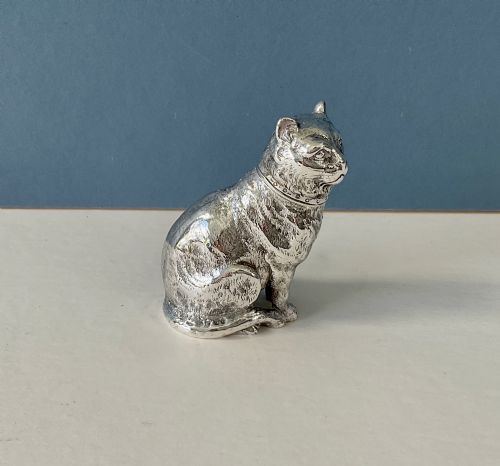
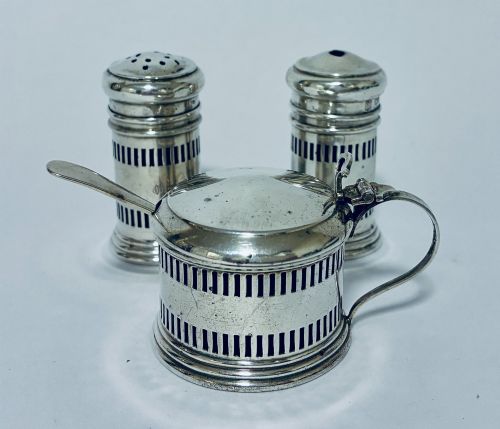
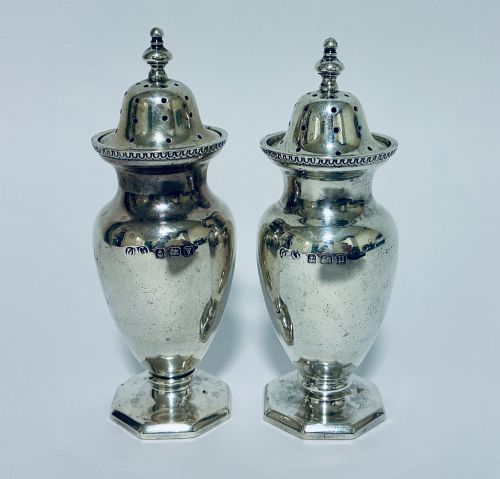
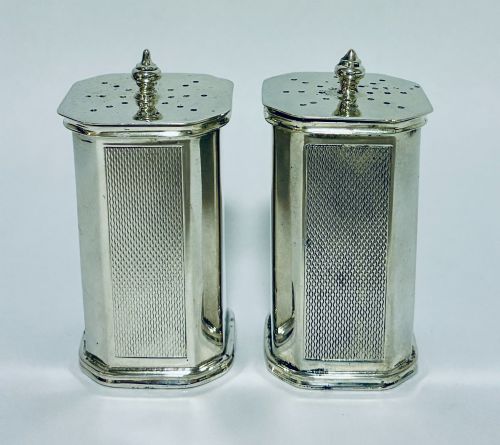
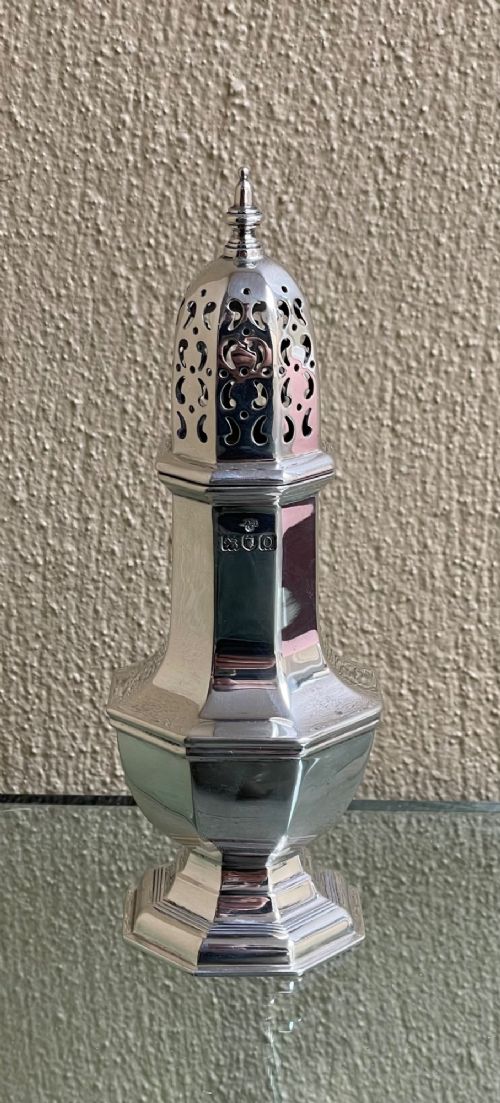
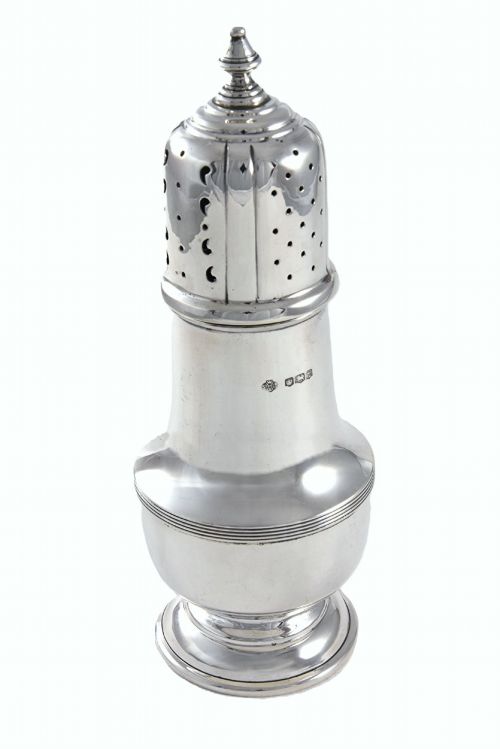
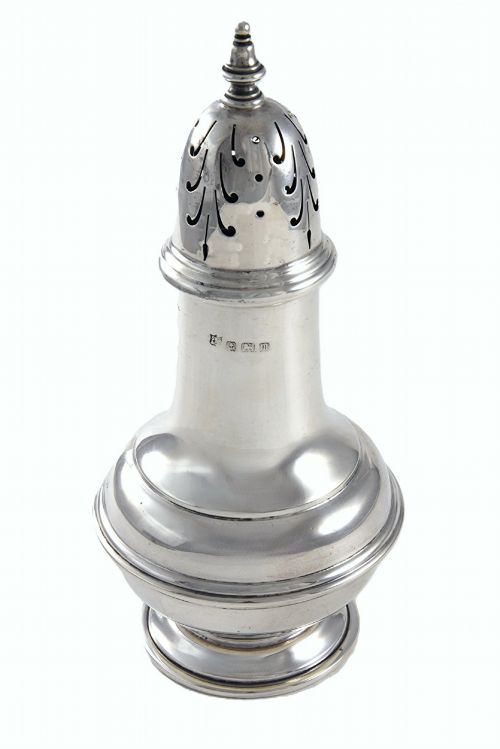
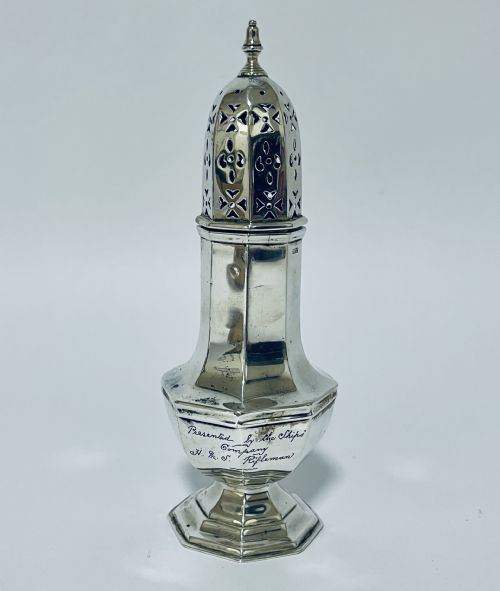
A vintage silver caster is a tabletop vessel designed for dispensing sugar, salt, or pepper during meals. When you browse this selection, you encounter forms ranging from slender Edwardian sugar shakers to playful Victorian novelty pepper pots shaped like animals.
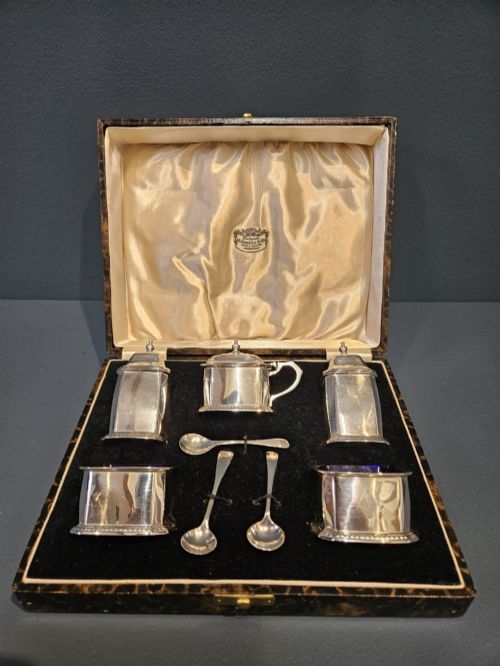
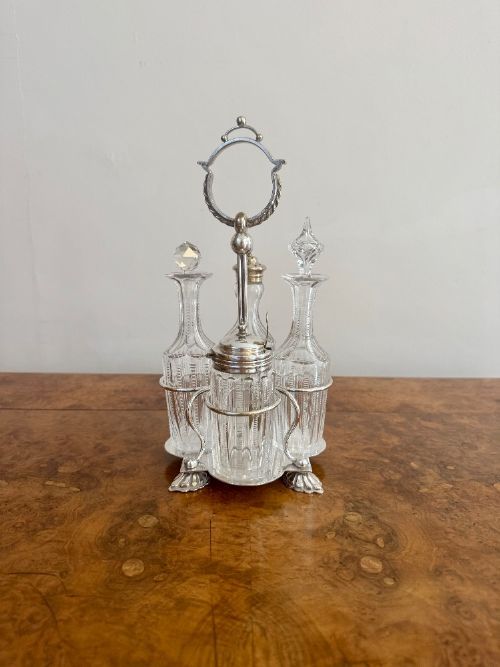
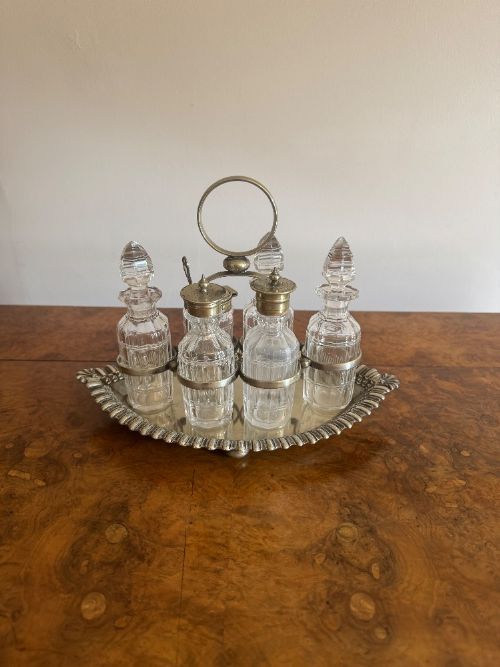
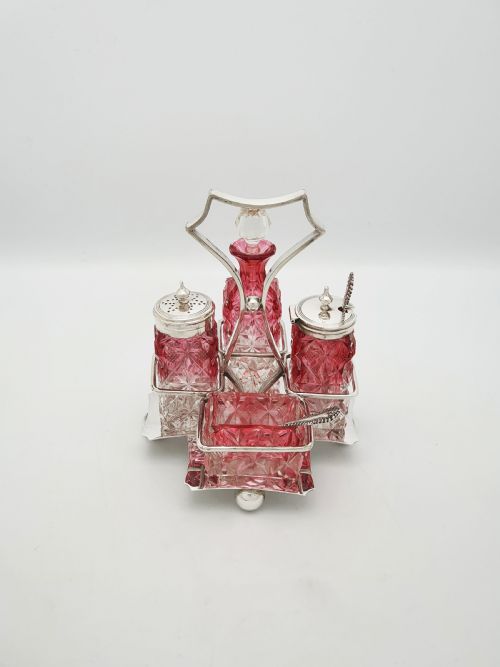
The objects on this page bridge multiple decades, encompassing early twentieth-century George V pieces, Art Deco polygon designs, and earlier Victorian iterations. They appear individually or as part of larger cruet and condiment sets containing multiple bottles and pots.
Makers utilised sterling silver, silver plate, and cut glass, often mounting them on fitted stands or pairing them with velvet and satin linings inside presentation boxes. The common thread is their functional domestic origin, repurposed today as decorative dining table accessories.
How They Were Made
Silversmiths formed the bodies of these casters from solid sterling silver or applied a silver plate over a base metal, frequently employing techniques like piercing and hammering. Many incorporate cut glass vessels or cranberry flashed glass liners, showing the collaboration between glassblowers and metalworkers.
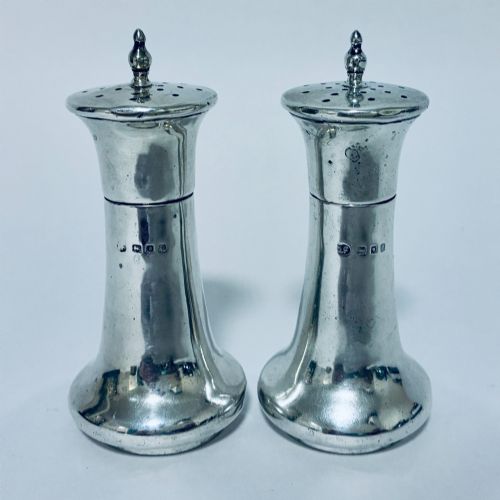
Pierced lids required careful hand-sawing or punching to create the delicate patterns that dusted sugar or shook pepper evenly. Makers marked their creations with hallmarks stamped directly into the metal to denote the assay office, year, and silversmith.
Listings for this phrase include Edwardian, Victorian, and Art Deco styles, featuring materials such as sterling silver, silver plate, and cut glass.
What Varies in Quality
The distinction between standard domestic wares and superior examples rests on the crispness of the pierced lid and the weight of the metal. Thicker gauge sterling silver maintains its structural integrity better over decades of use than thin plating.
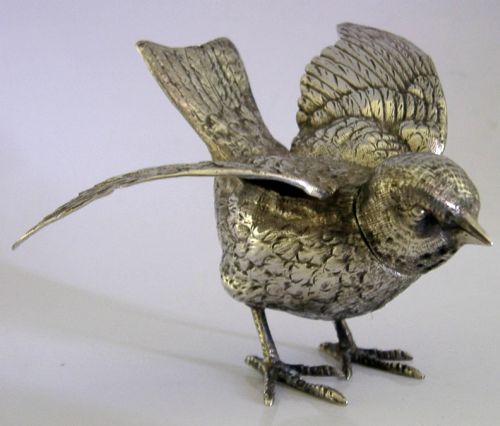
Detailing on figural pieces, such as the feather engraving on owl pepperettes or the casting of life-size bird chicks, separates mass-produced items from skilled studio work. Complete sets retaining matching original bottles and undamaged glass liners command closer attention from collectors.
Goldsmith & Silversmith's·Walker & Hall·Barker Brothers·James Dixon & Sons Ltd·Evald Nielsen·Horace Woodward & Co Ltd·Roberts & Belk·Wilmot Manufacturing Co
The Vintage Silver Caster Glossary
- Caster
- A small container with a perforated top used for sprinkling sugar or spices onto food. They are often called shakers in twentieth-century contexts.
- Cruet set
- A matched collection of bottles, jars, and casters held together in a stand for condiments. These sets sit at the centre of the dining table.
- Hallmark
- A series of official marks stamped on precious metals indicating the standard of purity, the maker, and the year of assay. English silver relies heavily on these stamps for dating.
- Silver plate
- A thin layer of pure silver fused to a base metal such as copper or brass. This technique provided an affordable alternative to solid sterling silver.
- Sugar shaker
- A tall, cylindrical or pear-shaped caster specifically designed for dusting fine sugar over desserts. They frequently feature screw-on pierced tops.
Vintage Silver Caster: Frequently Asked Questions
What is the difference between a sugar caster and a pepper pot?
Sugar casters are typically taller vessels with larger capacities and wider pierced tops designed for dispensing loose sugar. Pepper pots are smaller, featuring finer perforations to control the release of ground spice.
Both items share similar manufacturing techniques and period styles, often appearing together within matching condiment sets on dining tables.
How do I clean a vintage silver caster?
Cleaning requires a soft microfiber cloth and a gentle silver polish formulated to lift tarnish without removing the underlying plating or sterling surface. Avoid harsh chemical dips that strip away the dark oxidisation highlights in engraved details.
If the piece includes cut glass or glass liners, remove them before polishing the metal components to prevent moisture from damaging any fitted interiors.
Can I use these casters for daily dining?
Solid sterling silver and sturdy plated casters function well for everyday use provided they are washed by hand and dried immediately. Storing them carefully prevents dents and scratches on the softer metal surfaces.
Pieces with delicate glass inserts or antique velvet linings require gentler handling and are better suited to occasional display or careful dining use.
How do I identify the date of a silver caster?
Dating relies primarily on the hallmarks stamped onto the base or the rim of the lid, which correspond to specific assay office records and date letters. Stylistic clues such as Art Deco geometric polygons or Edwardian flourishes also indicate the era of manufacture.
Comparing the form against documented maker catalogues helps narrow down the decade when the piece was produced.