




Vintage Silver Cased Spoons
These vintage silver cased spoons bring tailored elegance to the table, housed in fitted boxes designed to protect delicate metalwork.
Vintage Silver Cased Spoons
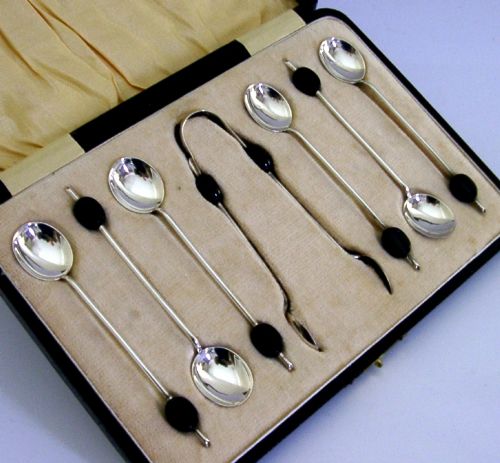
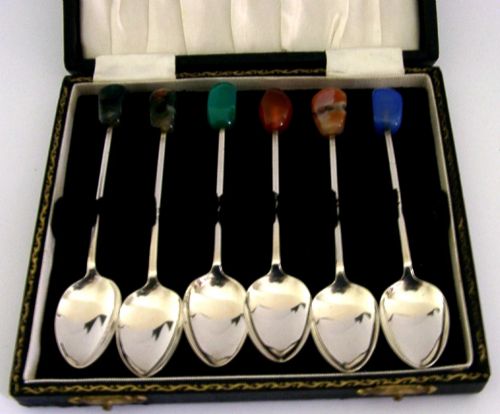
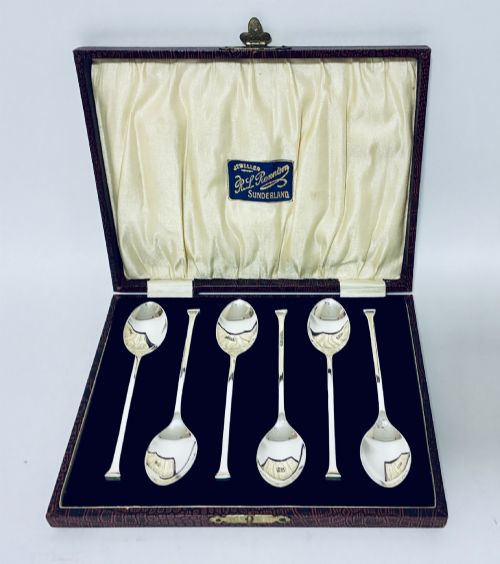
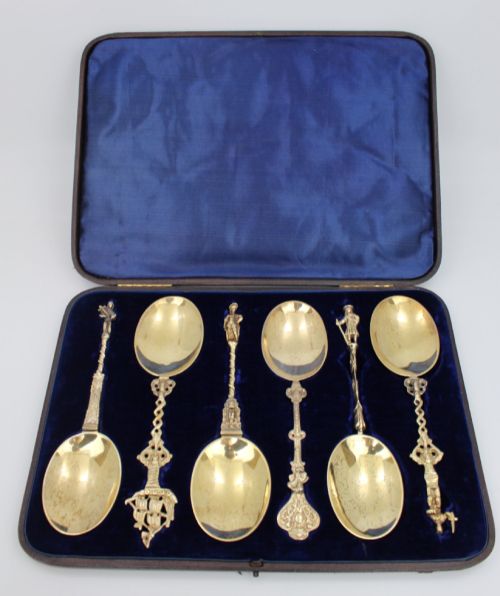
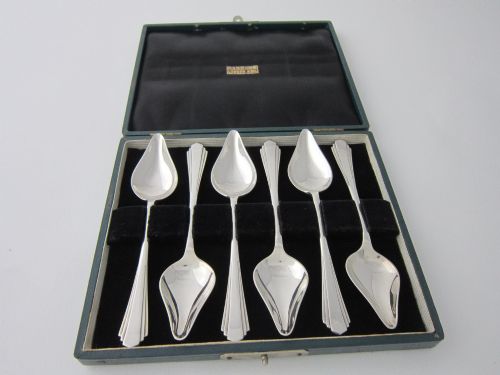
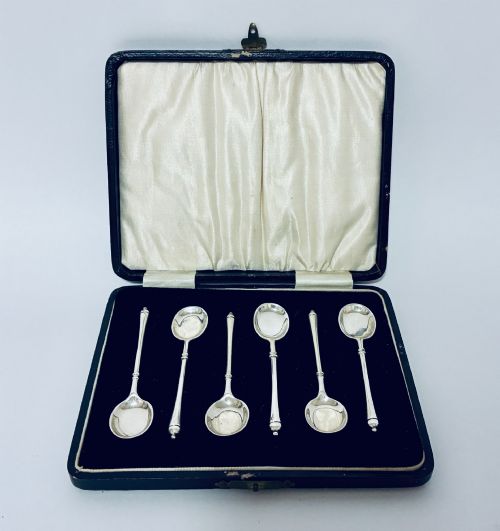
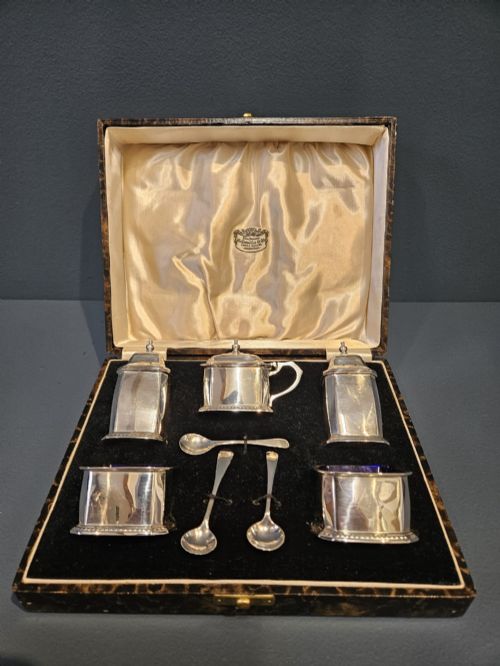
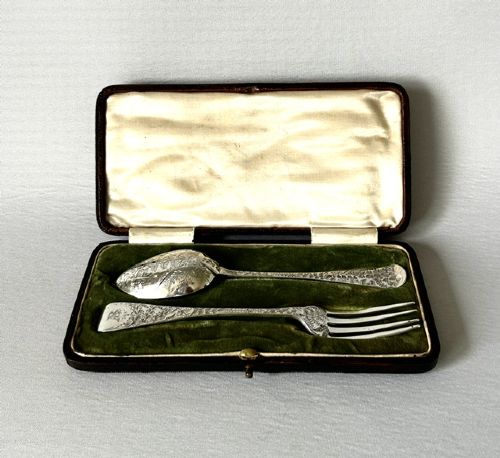
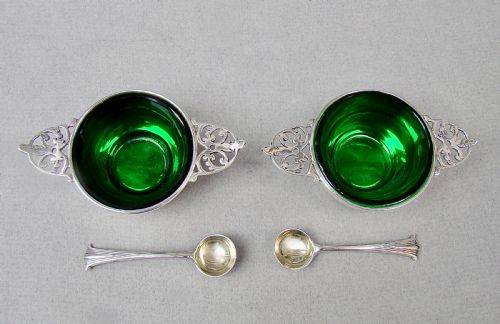
When you search for vintage silver cased spoons, you encounter complete sets of cutlery housed in purpose-built presentation boxes. These sets range from simple tea and coffee spoons to complex condiment sets, fruit sets, and apostle spoons.
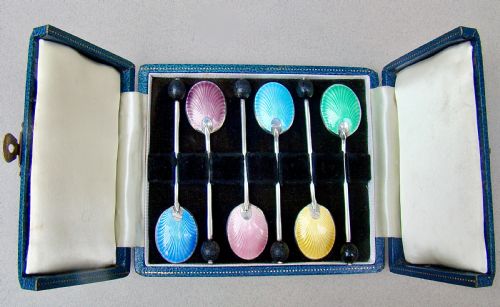
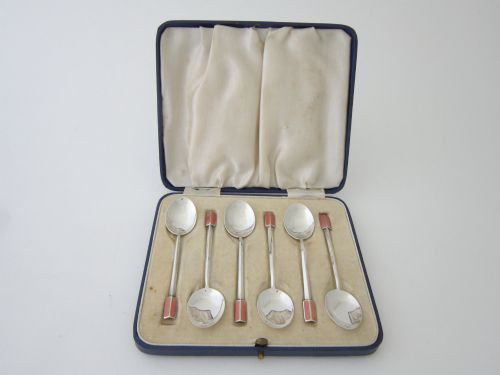
The options span periods from late Victorian and Edwardian eras through to Art Deco and Mid-Century Modern designs. Most pieces arrive in fitted cases lined with silk, velvet, or satin, protecting the sterling silver or silver-gilt surfaces within leatherette or leather outer shells.
How they were made
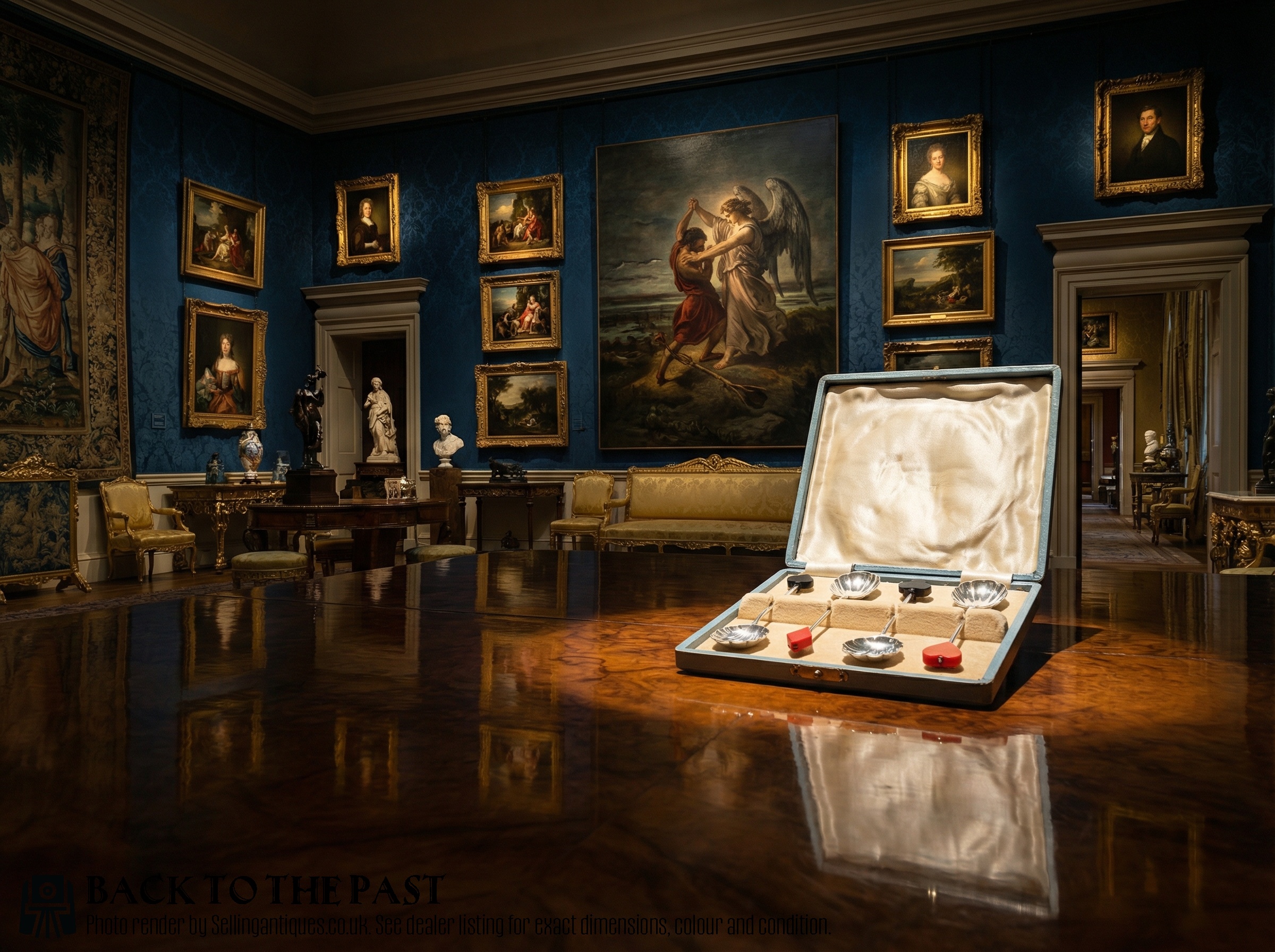
Makers utilised solid sterling silver and silver-gilt alongside specialised techniques like vitreous enamel and hand engraving. Many handles display Art Deco geometry or ornate Victorian scrollwork, sometimes paired with materials such as Bakelite.
The presentation boxes demand equal craftsmanship, featuring fitted interiors of velvet or satin shaped precisely to hold each spoon, sugar tong, or butter knife securely in place.
Vintage Silver Cased Spoons Retail Price Guide 2026
Typical asking prices for vintage silver cased spoons among the pieces listed under this phrase on Sellingantiques today, from the lower quarter to the upper quarter. They describe what is for sale here now, not the wider market.
Listings feature items spanning multiple eras from George III and Victorian periods through to Edwardian, Art Deco, and Mid-Century Modern designs.
What varies in quality
Quality depends on the crispness of the hallmarking, the depth of the metalwork, and the preservation of the original fitted case. Complete sets with matching makers' marks across every spoon and the outer box command greater attention than mismatched collections assembled later.
The condition of the interior lining, whether silk, velvet, or satin, significantly influences the overall integrity of the piece. Intact hinges on leatherette and leather outer cases indicate proper historical storage.
Goldsmiths and Silversmiths·Josiah Williams and Co·David Andersen·Wilmot Manufacturing Co·Hukin and Heath·Walker and Hall·Robert Stebbings·Cooper Brothers and Sons
The Vintage Silver Cased Spoons Glossary
- Sterling silver
- A silver alloy containing 92.5 percent pure silver and 7.5 percent other metals, usually copper, ensuring structural durability for tableware.
- Silver-gilt
- Sterling silver that has been coated with a thin layer of pure gold on the surface, creating a rich golden finish.
- Apostle spoon
- A decorative spoon featuring the figure of an apostle or saint cast or engraved upon the terminal of the handle.
- Cruet set
- A matched group of small containers and spoons used for holding condiments, salt, pepper, mustard, or oil at the dining table.
- Leatherette
- A simulated leather material utilising a fabric base coated with a plastic or polyurethane layer, commonly used for protective outer cases.
- Vitreous enamel
- Glass powder fused to metal through high-temperature firing, producing glossy coloured decoration on handles.
Vintage Silver Cased Spoons: Frequently Asked Questions
How do I clean tarnished cased spoons?
Use a soft microfibre cloth designed for silver to gently remove tarnish without damaging engraved details or enamel work. Avoid harsh abrasive dips, particularly on pieces with delicate gilt or coloured surfaces.
Keep the spoons stored inside their original fitted cases when not in use to minimise exposure to air and moisture, which causes tarnishing.
Were these sets meant for daily use?
Most cased sets were manufactured for formal entertaining, gifting, or special occasions rather than everyday dining. This explains why many survive in remarkably pristine condition alongside their original silk or velvet-lined boxes.
Christening sets, tea spoons, and fruit sets were frequently given as wedding or birthday presents, preserved carefully by successive generations.
How do I date these silver spoons?
Examine the hallmarks stamped directly onto the metal, which typically include a maker's mark, a standard mark for sterling silver, a town mark indicating the assay office, and a date letter. These stamps provide precise verification of the year and location of manufacture.
Stylistic cues such as Art Deco geometry or Victorian ornamentation also help narrow down the production period when combined with the hallmarks.
Are fitted cases original to the spoons?
Original fitted cases feature interior mouldings shaped precisely to the contours of the specific spoons, tongs, or knives they contain. The silk or velvet lining matches the exact footprint of the cutlery.
Makers often embossed their business names inside the lid lining, confirming that the case and its contents were sold together as a matched set.