



Vintage Silk Paintings
These vintage silk paintings bring delicate brushwork and rich textiles to your walls, offering centuries of global craftsmanship.
Vintage Silk Paintings
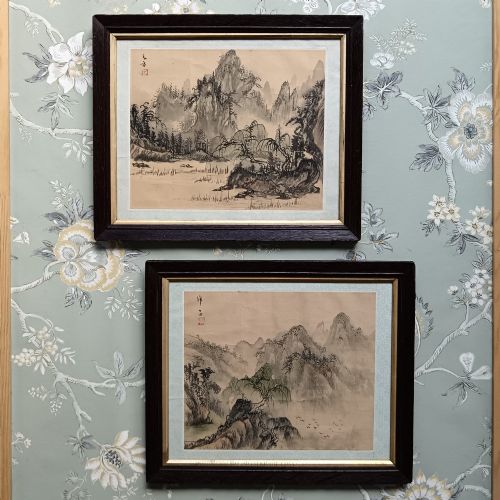
Vintage silk paintings encompass a diverse range of framed artworks and textile wall art created across the nineteenth and twentieth centuries. When you browse vintage silk paintings on this page, you encounter traditional Chinese landscapes, Japanese Meiji period scrolls, and Indian miniatures executed on woven grounds.
Many examples arrive in their original wood, glass, or giltwood frames, preserving the delicate textiles from environmental wear. These works reflect both traditional eastern aesthetics and western subjects rendered by international artists working in the nineteenth and twentieth centuries.
How they were made
Makers applied ink, watercolour, and gouache directly onto woven silk grounds, often combining paint with detailed embroidery to build texture and depth. The fluid nature of silk required steady brushwork to control pigment absorption and prevent bleeding across the fabric.
Framing techniques played an essential role in the survival of these textiles, utilising wood, glass, and giltwood surrounds to protect the fragile painted surfaces from dust and moisture. Scroll mountings and traditional wooden frames provided structural support while maintaining the aesthetic integrity of the artwork.
Vintage Silk Paintings Retail Price Guide 2026
Typical asking prices for vintage silk paintings among the pieces listed under this phrase on Sellingantiques today, from the lower quarter to the upper quarter. They describe what is for sale here now, not the wider market.
Listings feature silk, wood, glass, ink, paper, giltwood, pigment, and gouache across periods spanning the nineteenth and twentieth centuries.
What varies in quality
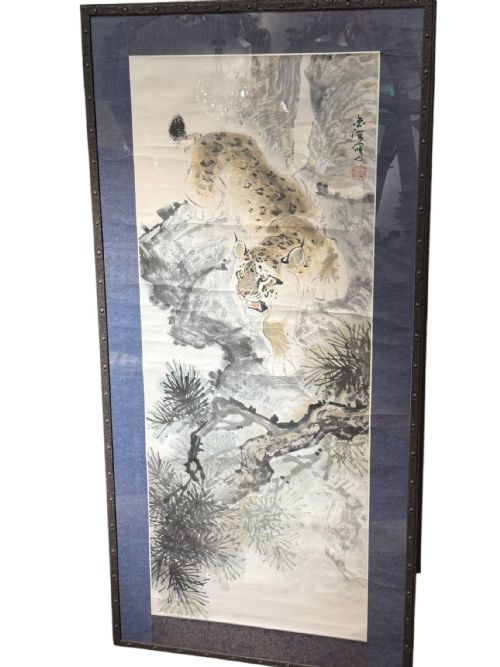
The precision of the brushwork and the vibrancy of the pigments distinguish finer examples from standard decorative pieces. Master artists achieved remarkable detail in animal subjects and landscape elements, maintaining clarity across delicate silk fibres.
The integrity of the textile and the originality of the frame heavily influence the standing of an individual piece. Works that retain their original wood or giltwood frames without significant silk degradation or pigment flaking represent the upper tier of the medium.
The Vintage Silk Paintings Glossary
- Gouache
- An opaque watercolour paint consisting of pigment, water, and a binding agent such as gum arabic. This medium provides solid, flat colour fields on silk surfaces.
- Meiji Period
- A Japanese historical era lasting from eighteen sixty-eight to nineteen twelve. Works from this time often exhibit highly detailed naturalistic subjects.
- Giltwood
- Wood that has been treated with gold leaf or gold paint. This material frequently appears on the decorative frames enclosing nineteenth-century artworks.
- Scroll
- A length of silk or paper rolled on cylindrical supports for storage or display. Traditional Asian paintings often utilised this format before later reframing.
Vintage Silk Paintings: Frequently Asked Questions
How should I hang vintage silk paintings?
Keep these artworks away from direct sunlight to prevent the silk fabric and coloured pigments from fading over time. Stable indoor humidity levels protect both the textile ground and the original wooden frames.
Ensure pieces behind glass do not touch the inner surface directly. Professional framing with UV-protective glazing helps preserve the delicate materials.
Are these paintings original or reproduction?
The works listed originate from specific periods including the nineteenth and twentieth centuries, executed by period artists and workshops. Pigments, ink application, and mounting techniques correspond to historical manufacturing methods.
Examination of the silk weave and frame construction helps determine the age of each piece. Maker stamps and signatures further authenticate individual artworks.
What subjects appear in these paintings?
Common subjects include traditional Chinese landscapes, flora such as plum blossoms, and fauna ranging from wild birds to snow leopards. Japanese pieces frequently depict narrative scenes, birds, and textile animals.
Other examples include Indian miniatures featuring figures and elephants, alongside British equestrian subjects. Each tradition employs distinct stylistic conventions suited to the silk medium.
How do I identify the period of a silk painting?
Stylistic markers, framing materials, and mounting styles provide primary clues for dating an artwork. Nineteenth-century pieces often display different pigment characteristics compared to mid-twentieth-century productions.
Signatures, stamps, and artist markings offer additional chronological reference points. Comparing the weave density and backing materials further aids in period identification.