


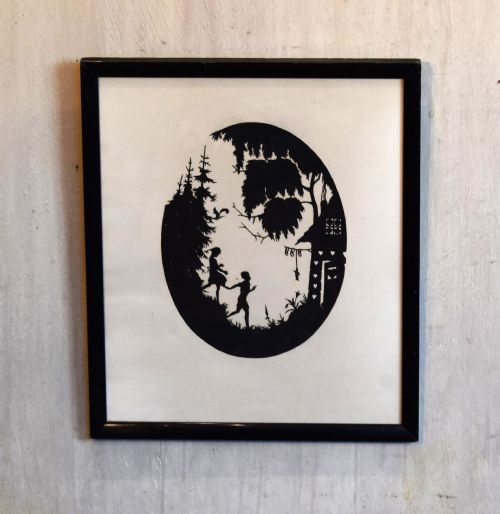


Vintage Silhouette Wall Art
Vintage silhouette wall art brings striking profile portraits, dramatic figures and historic shadow scenes straight onto your walls with timeless character.
Vintage Silhouette Wall Art
Vintage silhouette wall art encompasses framed profile portraits, maritime scenes and decorative shadow imagery originating from the eighteenth century through to the mid-twentieth century. These pieces capture likenesses and narratives primarily through dark outlines set against contrasting light backgrounds, offering a distinct alternative to traditional painted canvases.
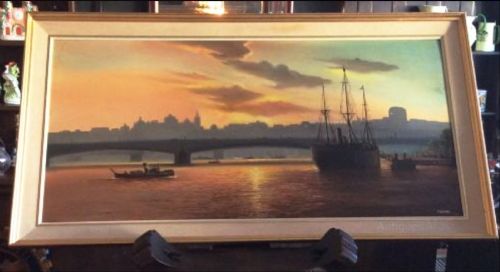
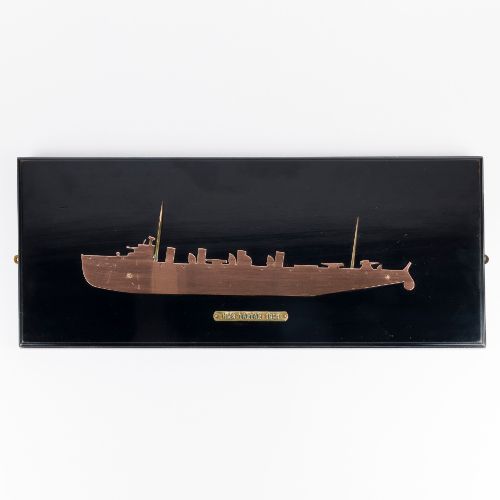
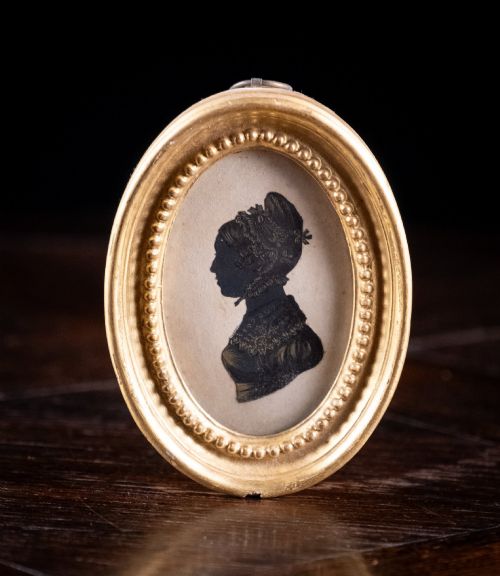
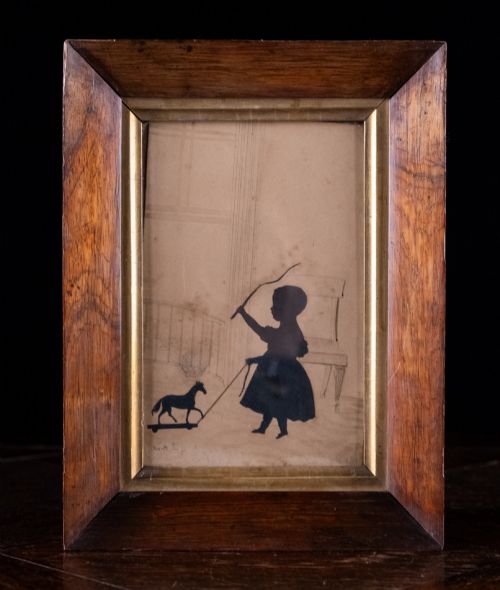
The selections available here showcase notable diversity, ranging from delicate early nineteenth century Regency portraiture on paper to robust Edwardian sheet metal figures and later twentieth century prints. Buyers frequently encounter framed profile studies of individuals, children with horses, and intricate narrative compositions executed in ink, paper and metal.
Rooted in historical portraiture and folk art traditions, these works bridge the gap between minimalist graphic design and antique craftsmanship. They serve as immediate focal points in domestic interiors, bringing a tangible link to past centuries through varied regional British and European schools.
How they were made
Makers constructed these works using paper, ink and card, often cutting profiles by hand before mounting them behind glass within protective wooden frames. Many examples incorporate rosewood or gilt wood surrounds, enhancing the contrast of the dark shadow imagery.
Metalworkers also contributed to the tradition by cutting sheet iron and sheet metal to form robust wall plaques and weather vanes. Painters occasionally employed oil on canvas or applied pigment directly to achieve the desired silhouette effect.
Current listings span from the eighteenth century to the 1960s, incorporating paper, glass, wood, ink, and sheet iron.
What varies in quality
Frame integrity and material preservation also dictate the tier of a work, as original rosewood or gilt surrounds contribute significantly to historical authenticity. The clarity of the contrast between the dark profile and the background remains paramount.
Augustin Edouart·Alfred Darbyshire·John Smith of Edinburgh
The Vintage Silhouette Wall Art Glossary
- Silhouette
- A portrait or image represented as a solid shape of a single colour, usually black, matching the outline of the subject. This method relies entirely on contour rather than internal detail.
- Profile
- A side view of a human head or figure, which forms the standard perspective for traditional silhouette work. This angle emphasises the distinct facial structure of the subject.
- Gilt wood
- Wood that has been covered with a thin layer of gold leaf or gold paint, frequently used for antique framing. It adds a warm metallic sheen that complements dark portraiture.
- Sheet iron
- A malleable iron rolled into thin plates, utilised in heavier wall plaques and decorative outdoor forms. It provides structural durability for pieces exposed to the elements.
- Marquetry
- The art and craft of applying pieces of veneer to a structure to form decorative patterns. This technique appears in select panel works alongside standard framed paper pieces.
Vintage Silhouette Wall Art: Frequently Asked Questions
How do I hang heavy metal silhouettes?
Heavier iron and sheet metal pieces require secure wall fixings, such as appropriate masonry plugs or screws anchored directly into wall studs. Because materials like sheet iron carry substantial weight, standard picture hooks are generally insufficient.
Ensure the hanging wire or bracket on the reverse matches the weight distribution of the plaque. Professional installation is advisable for larger weather vanes or solid metal panels to prevent damage.
Are these paper silhouettes original?
Paper silhouettes from the eighteenth and nineteenth centuries were typically hand-cut or painted directly onto card by contemporary practitioners. Examining the piece under magnification often reveals the physical texture of the paper and the edge of the cut.
Original mountings, backing papers and period frames further support the authenticity of historical works. Comparing the style of dress and hair to known historical periods helps confirm the dating.
How should I care for antique silhouettes?
Protect delicate paper and ink works from direct sunlight to prevent the fading of dark pigments and background paper. Maintaining stable indoor humidity levels prevents the warping of wooden frames and nineteenth century card.
Clean glass coverings gently with a soft cloth, avoiding harsh chemical sprays that might seep beneath the rebate and damage the artwork inside. For metal pieces, gentle dusting is usually sufficient to preserve the surface.
What periods do these pieces span?
The selection covers multiple centuries, ranging from eighteenth century Georgian works through Regency, Victorian, and Edwardian eras up to the mid-twentieth century. Each era brought distinct stylistic influences, from neoclassical revival profiles to early twentieth century folk art.
Recognising these chronological shifts helps collectors date pieces accurately based on framing styles, materials, and subject matter. The variety reflects changing domestic tastes across generations.