


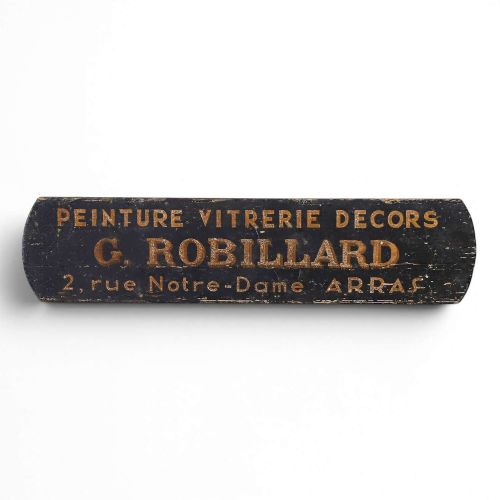
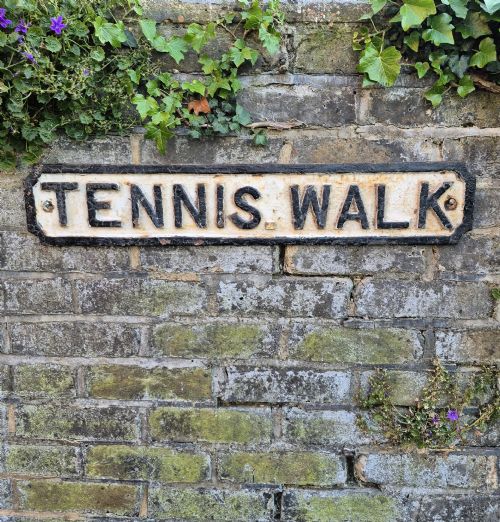
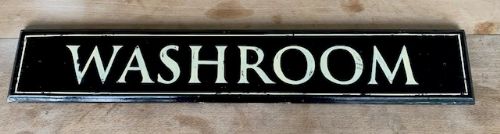
Vintage Signage
When you search for vintage signage, you enter a tangible archive of commerce and trade spanning the Victorian era through the mid-twentieth century.
Vintage Signage
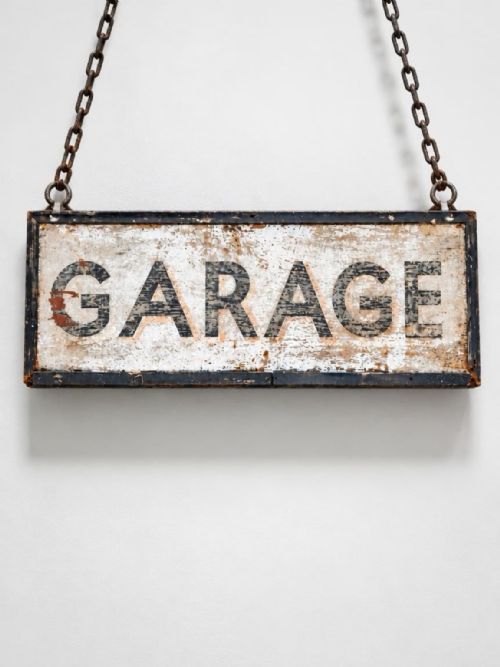
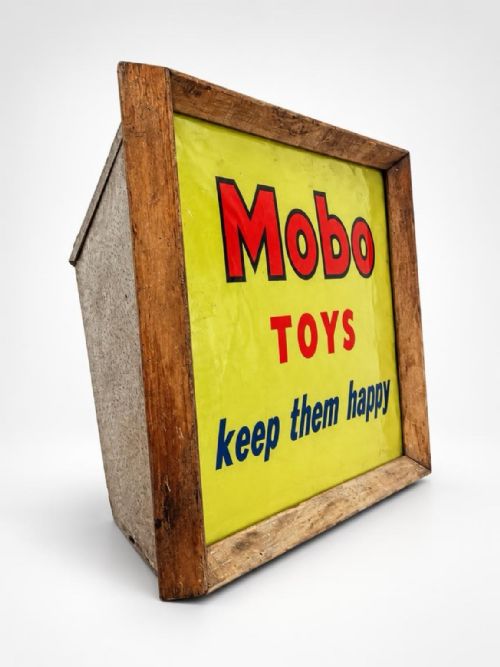
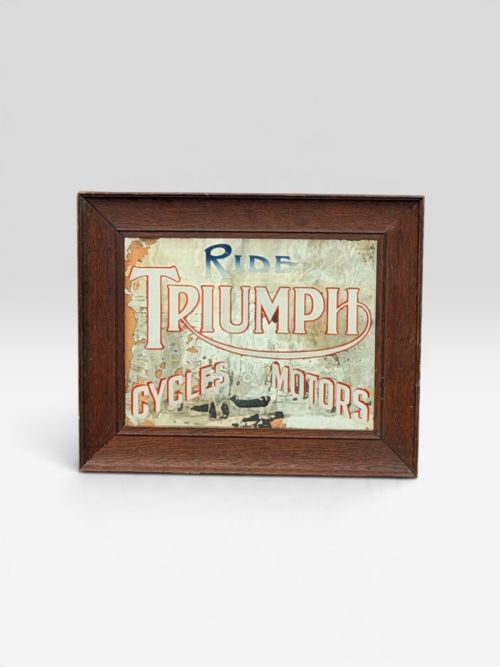
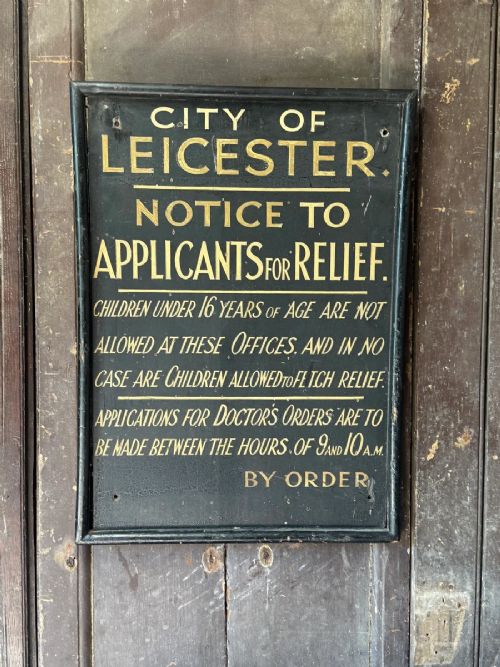
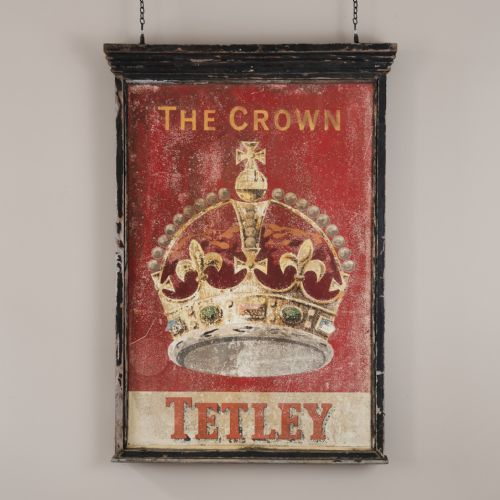
Vintage signage encompasses commercial markers, trade pieces, and civic notices made to direct the public, identify professions, and advertise goods. Buyers examining this category encounter wall signs, hanging pub boards, street directories, and architectural salvage produced for everyday use in shops, stations, and offices.
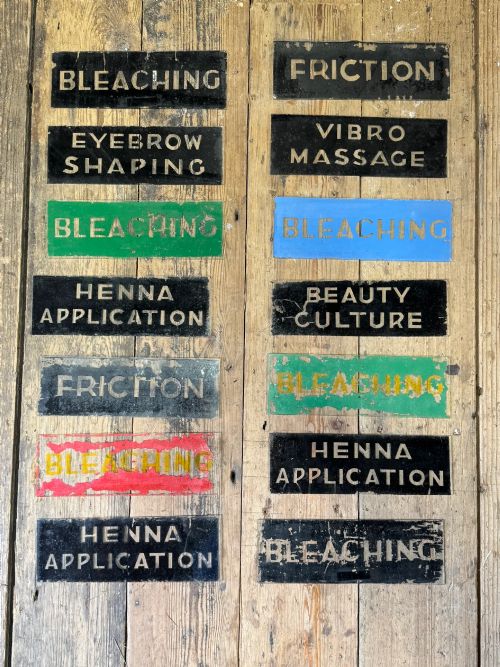
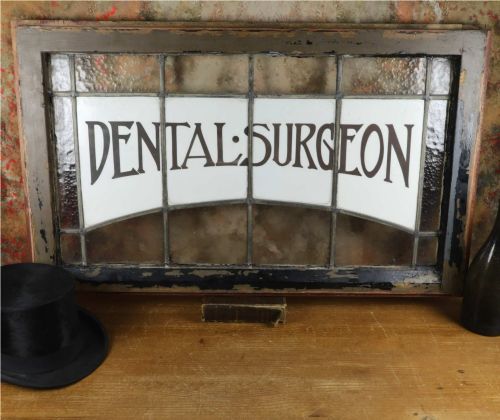
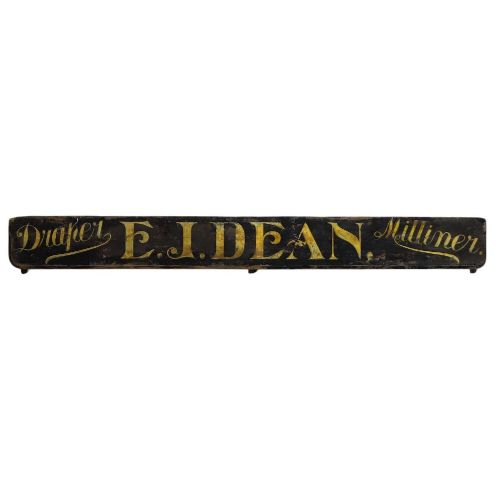
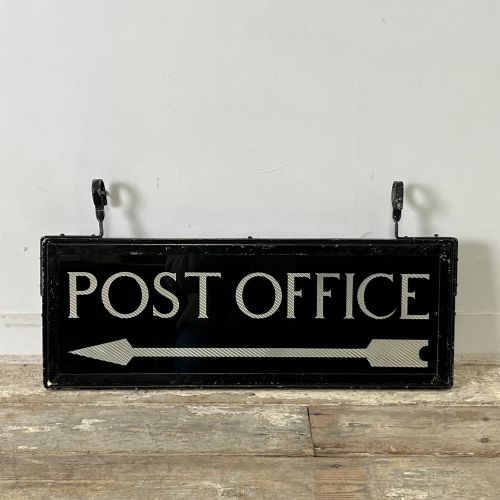
The selections span several distinct periods, with Victorian and Edwardian examples sitting alongside items from the 1920s and 1930s. Trade signs for specific occupations, such as dentists, milliners, and pawnbrokers, dominate the offerings alongside enamel advertising panels and reverse-painted glass pieces.
Most items originate from commercial or municipal settings rather than domestic production. These pieces served practical functions in urban and rural environments before finding their way into the collector market as decorative wall art.
How they were made
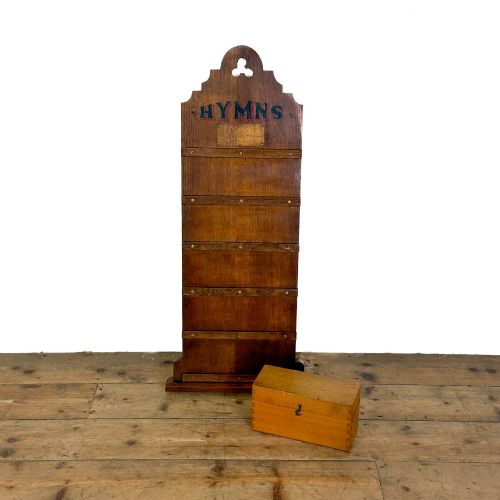
Makers utilised a variety of durable materials suited to outdoor exposure and heavy commercial wear, predominantly timber, painted metal, and glass. Wooden boards in pine and oak received hand-painted lettering, sometimes enhanced with carved details or gold leaf applied to the surface.
Signwriters and craftsmen employed traditional hand-lettering methods directly onto wood, glass, and metal substrates. Structural elements incorporated brass brackets, iron hanging irons, and timber framing designed to withstand exterior elements.
Vintage Signage Retail Price Guide 2026
Typical asking prices for vintage signage among the pieces listed under this phrase on Sellingantiques today, from the lower quarter to the upper quarter. They describe what is for sale here now, not the wider market.
Materials recorded across the inventory include painted wood, wrought iron, vitriolite glass, beaten copper, and gold leaf.
What varies in quality
Quality rests primarily on the execution of the lettering, the complexity of the materials, and the survival of the original surface. Hand-painted examples demonstrate the skill of the signwriter through the precision of the script and the balance of the layout.
Material choice elevates certain pieces, particularly those combining reverse-painted glass with gold leaf, or heavy enamel plates with multiple firing colours. The integrity of the original paint layer and untouched surfaces distinguish standard utilitarian boards from finer artistic trade signs.
The Vintage Signage Glossary
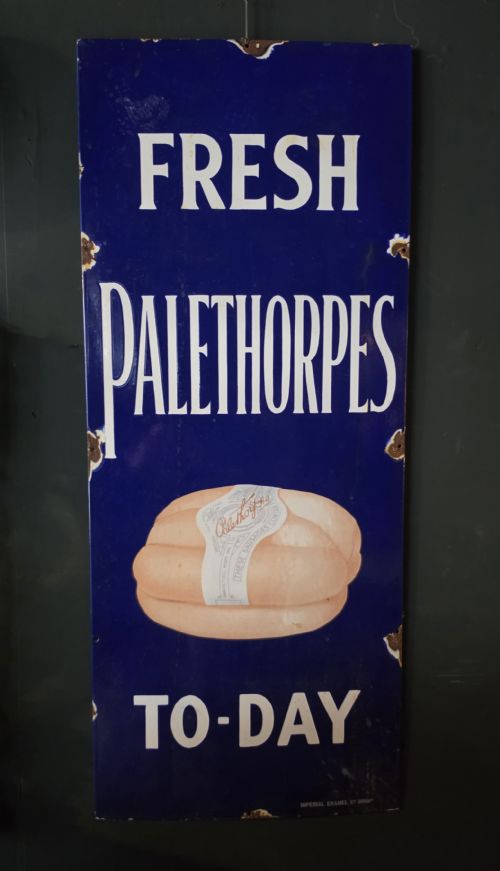
- Enamel sign
- A metal plate fused with vitreous glass powder under high heat to create a glossy, weather-resistant advertising surface. These items were widely used for outdoor commercial and railway notices.
- Reverse-painted glass
- A technique where lettering and imagery are applied to the back of a glass panel so the design is viewed through the front. This method protects the paint and produces a deep, glossy finish.
- Vitriolite
- An opaque, pigmented structural glass used for shopfronts and signage during the early twentieth century. It provided a sleek, modern surface finish for architectural applications.
- Gold leaf
- Extremely thin gold beaten into sheets and applied to wooden or glass surfaces with size. It created luminous lettering that caught street lighting and daylight.
Vintage Signage: Frequently Asked Questions
What materials were used for vintage signage?
Makers relied on durable substrates capable of enduring outdoor conditions and daily trade use. Common materials include timber, painted metal, cast iron, wrought iron, and glass.
Finer examples incorporate vitreous enamel, gold leaf, beaten copper, and brass fixtures to enhance visibility and longevity.
How do I identify the period of a sign?
Dating relies on the typography, manufacturing techniques, and materials characteristic of specific eras. Victorian and Edwardian pieces often feature hand-painted pine, carved wood, or traditional trade symbols.
Later pieces from the 1920s and 1930s frequently employ enamel plates, reverse-painted glass, or vitriolite panels associated with interwar commerce.
Where were these signs originally displayed?
These pieces hung outside shops, railway stations, professional practices, and municipal buildings to guide the public and advertise services. Many served specific trades like milliners, watchmakers, and drapers.
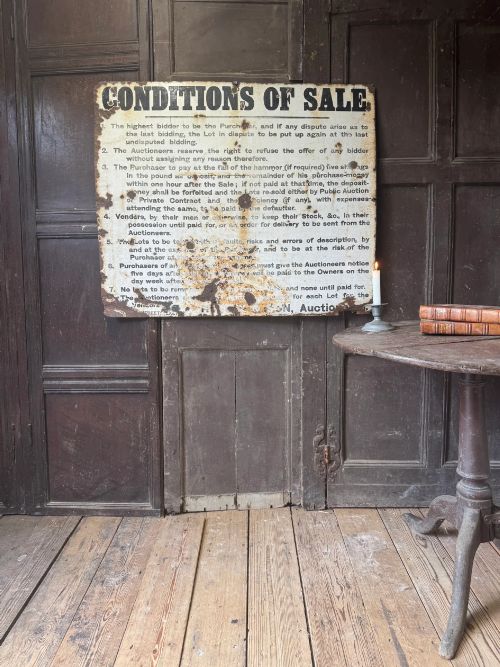
Others functioned as street directories, pub signs, or auction notices displayed on exterior walls and hanging brackets.
How should I hang heavy metal or glass signs?
Displaying heavy items requires secure wall anchoring into structural studs or masonry rather than standard plaster fixings. Items with iron brackets or hanging holes need fixings rated to support the exact weight of the piece.
Glass panels and reverse-painted items benefit from protective framing or specialised mirror plates that distribute the load evenly without stressing the corners.