
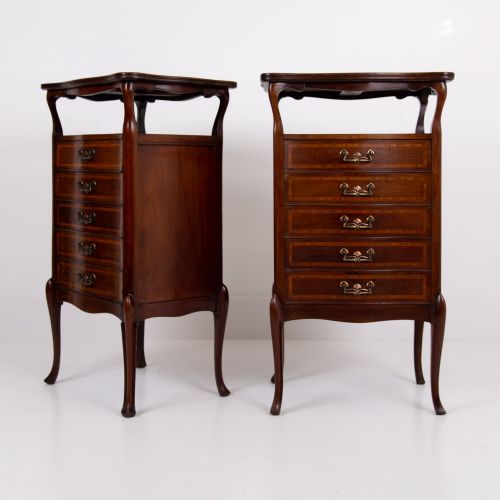
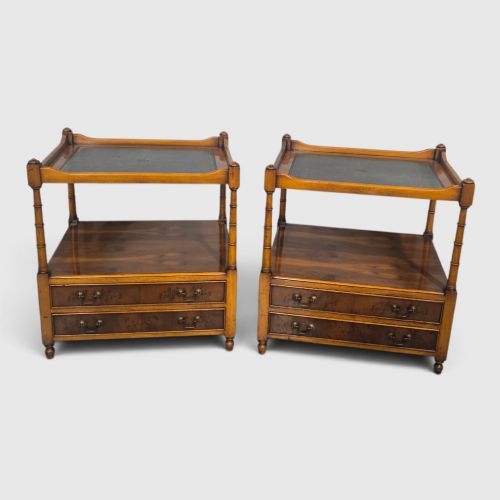
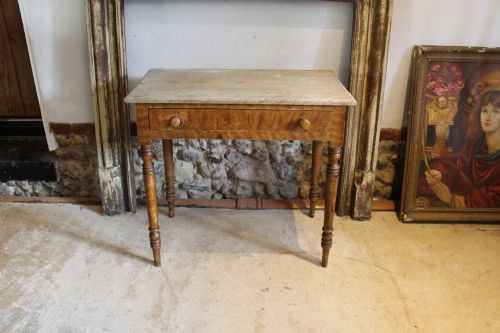

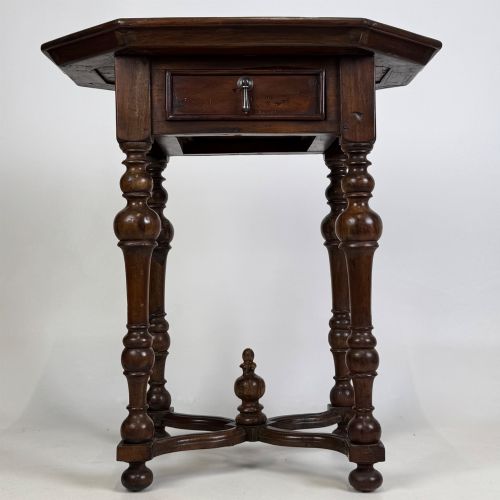
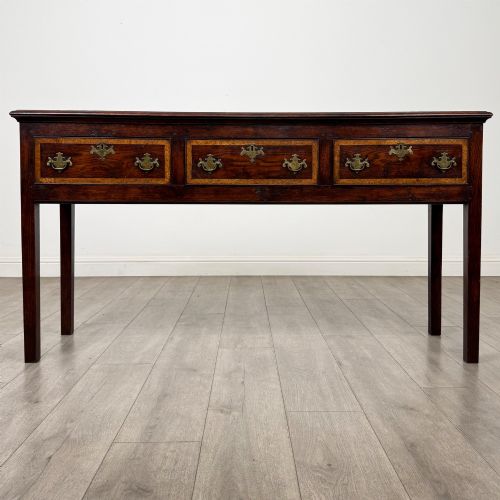
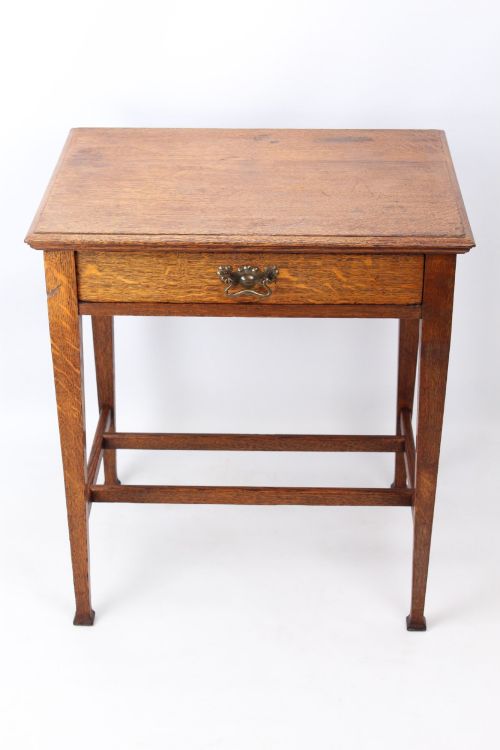
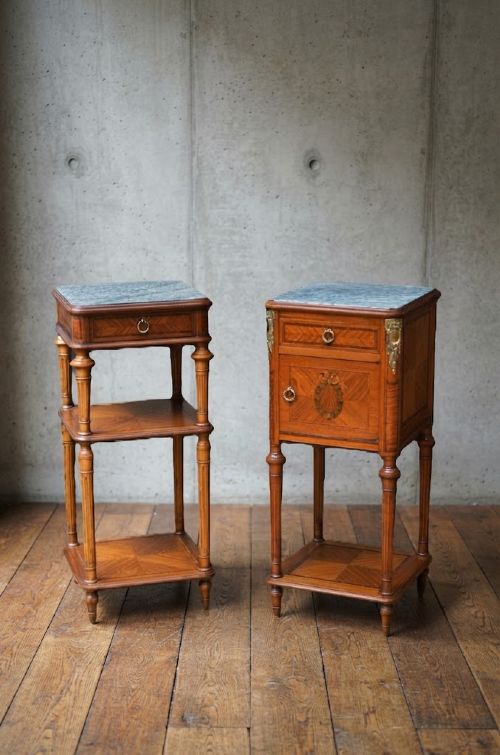
Vintage Side Table Drawers
These vintage side table drawers combine compact storage with period character, offering a practical surface and enclosed space for any room.
Vintage Side Table Drawers
Vintage side table drawers encompass a diverse range of small domestic furnishings designed for bedside or living space use, incorporating functional storage compartments. When searching for vintage side table drawers, buyers encounter pieces spanning the Georgian, Victorian, and Edwardian eras through to the Art Deco period of the 1930s.
Origins vary from English country workshops to French ateliers, showing influences from Jacobean revival to clean Art Deco lines. Buyers select these items to introduce period authenticity and functional surface area into modern interiors.
How they were made
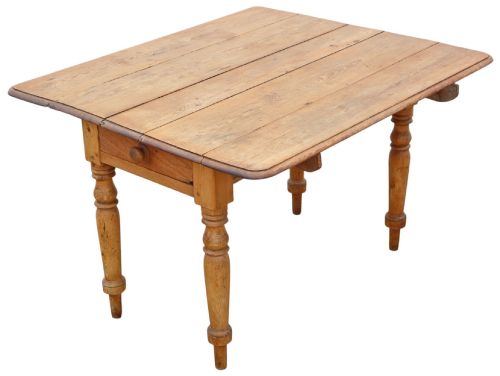
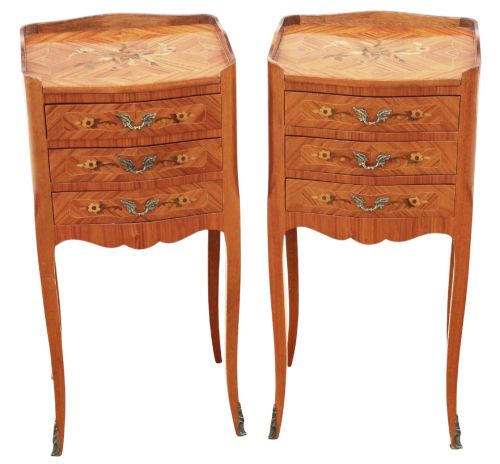
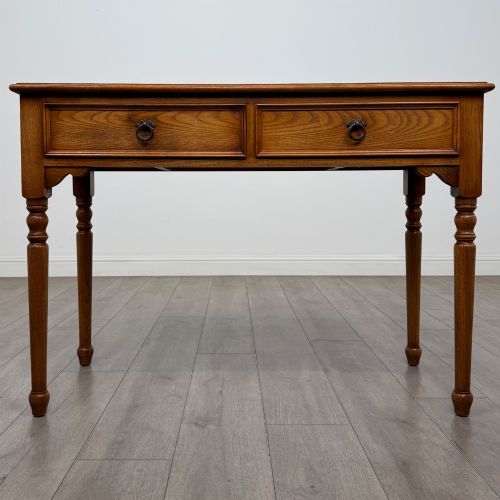
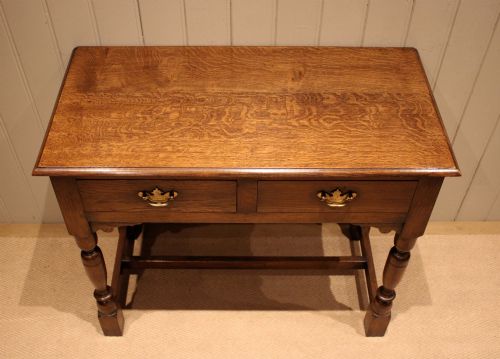
Construction relies heavily on traditional cabinet-making timbers such as oak, mahogany, walnut, and pine, often joined with sturdy dovetail techniques for the drawers. Artisans utilised solid woods alongside decorative veneers like satinwood and fruitwood to achieve surface contrast and visual depth.
Surfaces frequently display hand-waxed finishes, scumble painting, or marquetry inlay work, alongside applied brass handles and occasional marble tops. The integration of metal hardware, such as brass pulls and ormolu mounts, complements the primary timber frame.
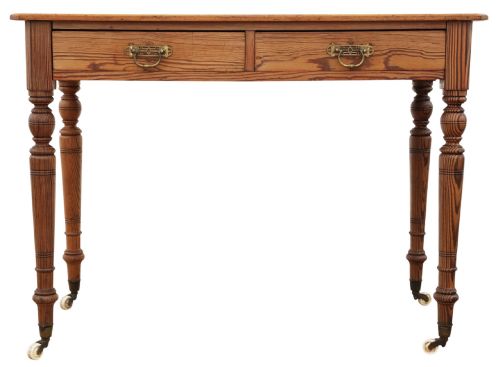
Object forms span bedside tables, writing desks, lowboys, and lamp tables.
What varies in quality
Quality differentiates through the selection of timber figures, such as burr walnut or figured mahogany, and the precision of joinery in the drawer construction. Superior pieces maintain original hardware, uncompromised timber patination, and proportional balance that reflect the maker's skill.
Lesser examples may show replacement elements, mismatched handles, or unsympathetic repainting that obscures the natural grain and age of the wood. The presence of secondary woods and the crispness of decorative carving or inlay dictate the standing of individual items.
The Vintage Side Table Drawers Glossary
- Lowboy
- A small oak or walnut table with one or more rows of drawers, originating in the late 17th century and functioning as a dressing or side table.
- Scumble
- A translucent layer of paint manipulated over a base coat to imitate the natural grain of more expensive woods or to create decorative surface texture. Victorian examples occasionally utilise this finish.
- Dovetail
- A joint formed by interlocking wedge-shaped fingers, prized for its tensile strength and resistance to being pulled apart in drawer construction.
- Ormolu
- Gilt bronze ornamentation applied to furniture, commonly seen on French tables and cabinets from the nineteenth century.
Vintage Side Table Drawers: Frequently Asked Questions
Where should I place a small bedside cabinet?
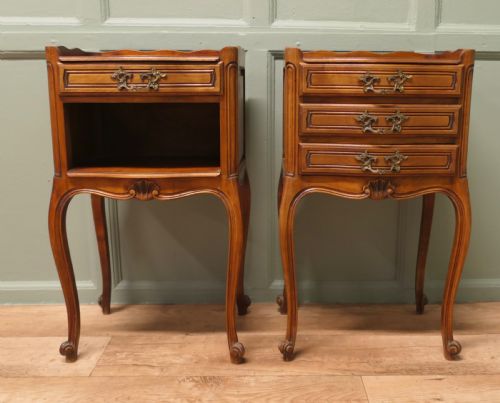
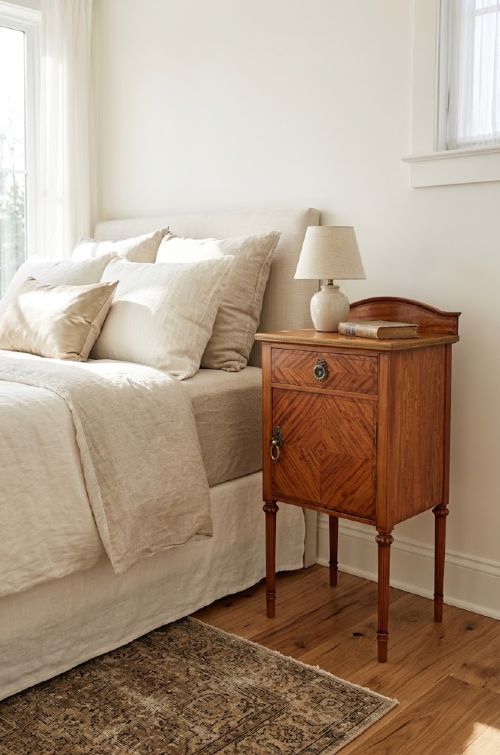
These compact cabinets suit spaces beside a bed where surface space and enclosed drawer storage are both required. Their diminutive proportions allow them to fit easily into smaller guest rooms.
They also function effectively as lamp tables or occasional stands in a hallway or sitting room, holding books or small objects.
How do I identify a Georgian lowboy?
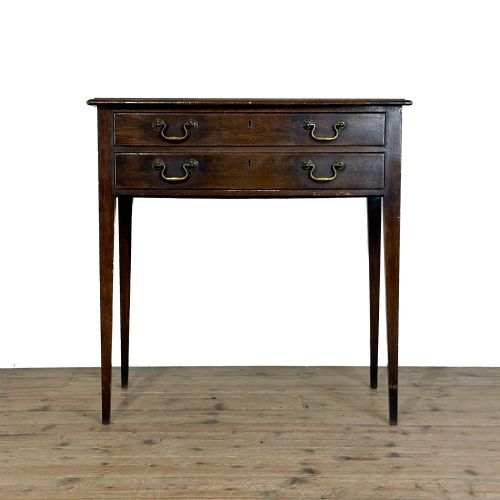
Georgian lowboys typically feature a single long drawer or a configuration of three smaller drawers above slender cabriole or straight legs. They are constructed primarily in oak or figured walnut.
Examining the underside and drawer linings reveals hand-cut joinery and traditional timber ageing consistent with the eighteenth century.
Are painted pine tables durable?
Pine farmhouse and dairy tables provide robust daily utility thanks to dense softwood construction and protective painted finishes. Original painted surfaces add decorative character while sealing the timber.
Routine maintenance involves gentle cleaning and occasional waxing to preserve the painted layer against normal wear.
What is the difference between a bedside table and a cabinet?
Bedside tables generally offer an open surface with an underlying shelf or single drawer, maintaining an airy profile. Cabinets enclose the storage space entirely with a cupboard door or multiple stacked drawers.
Both forms serve the same domestic function of keeping nighttime essentials concealed or close at hand.