




Vintage Shop Display Stand
A vintage shop display stand brings utilitarian mercantile history directly into the home, offering structural presence and purposeful surfaces for modern interiors.
Vintage Shop Display Stand
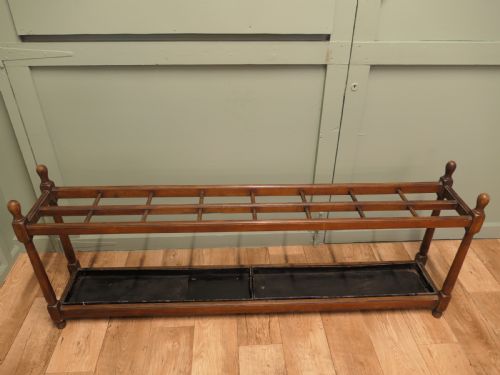
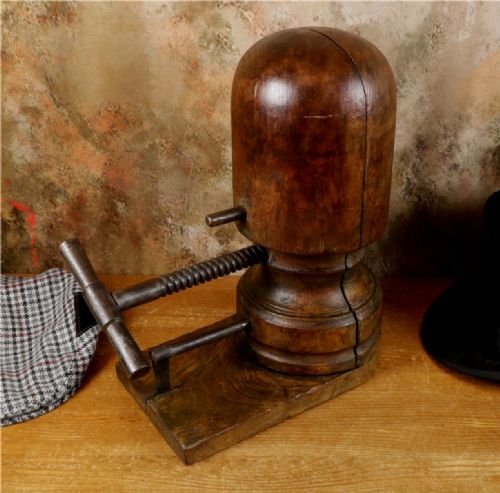
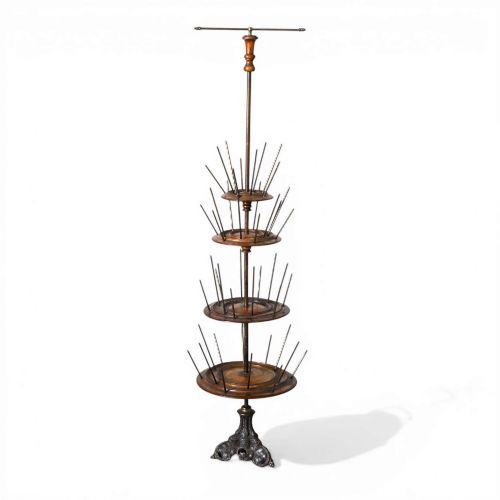
A vintage shop display stand encompasses diverse commercial fixtures originating from retail environments spanning the nineteenth century through the 1930s. Buyers frequently encounter specialised equipment such as hat stands, hat stretchers, cotton reel display trees, countertop paper roll dispensers, and tiered glass shelving units.
The selection reflects both English and French retail traditions, embracing periods from the Victorian era alongside Edwardian, Art Deco, and industrial designs. These pieces served practical functions in milliners, drapers, and tailors shops before transitioning into domestic settings for decorative storage and display.
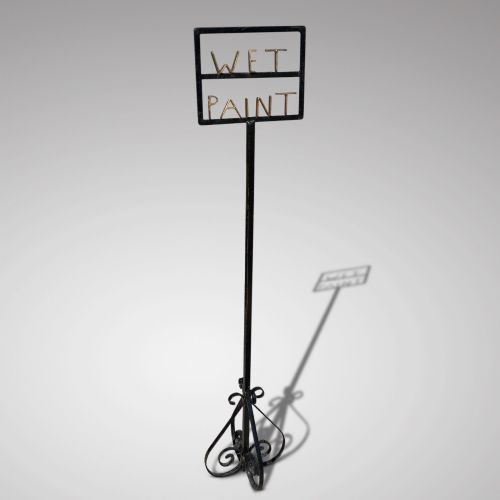
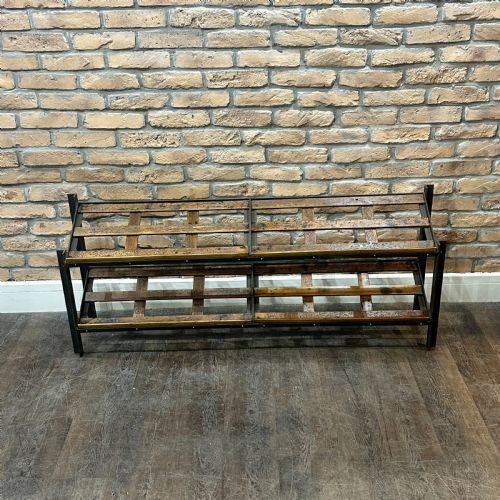
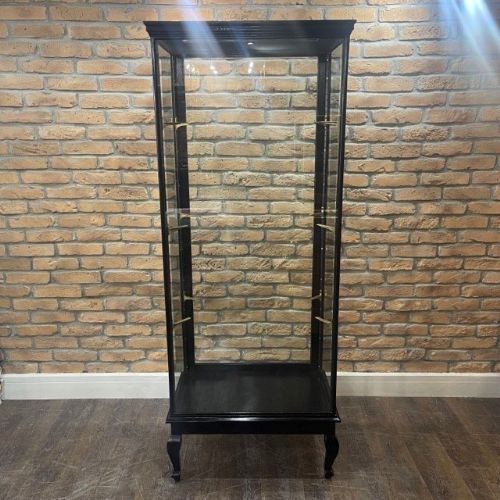
Forms range from compact tabletop display stands and jewellers shelves to substantial shop display counters, tower cabinets, and freestanding wrought iron signs. The most common survivals are functional apparatuses designed to showcase garments, hats, and retail goods.
How they were made
Construction relies heavily on durable structural metals including brass, cast iron, wrought iron, bronze, and steel, frequently paired with robust timbers such as oak, mahogany, fruitwood, and ebonised wood. These materials were chosen by period manufacturers to withstand heavy daily commercial use.
Glass panels and tiered surfaces integrate with metal frames in cabinetry and display stands, while turned wooden components provide organic warmth in hat blocks and stretchers. Joinery and metalworking techniques reflect standard industrial and cabinetmaking practices of the nineteenth and early twentieth centuries.
Materials in these listings span brass, cast iron, oak, mahogany, glass, and steel across Victorian, Art Deco, and Industrial styles.
What varies in quality
The distinction between tiers of quality rests on the integrity of materials, the sophistication of the mechanism, and the purity of period detailing. Superior examples exhibit substantial metal castings, crisp woodworking, and original finishes that have matured naturally over decades.
Subtleties in proportion and the complexity of the hardware - such as telescopic height adjustment or multi-tiered revolving structures - distinguish exceptional commercial fittings from standard utilitarian items.
SIEGEL
The Vintage Shop Display Stand Glossary
- Hat block
- A shaped wooden form used by milliners to shape or store hats. They often double as sculptural display stands today.
- Haberdashery
- Goods and small wares sold by drapers, encompassing items like cotton reels, ribbons, and pins that required specialised display.
- Telescopic
- Describing stands with adjustable height shafts operated by sliding metal tubes and tightening screws. This mechanism allowed merchants to alter window displays dynamically.
- Ebonised
- Wood finished with a dark stain or lacquer to imitate ebony. This treatment was popular in Victorian and Art Deco commercial furniture for a dramatic, polished appearance.
- Cotton reel tree
- A tiered vertical rack designed to hold spools of thread for customer selection on a shop counter.
Vintage Shop Display Stand: Frequently Asked Questions
What were vintage display stands used for?
These fixtures operated within nineteenth and early twentieth-century retail shops to organise and showcase merchandise to customers. Merchants utilised them for hats, textiles, ribbons, and small goods.
Over time, these utilitarian pieces moved out of commercial environments and into homes, where they serve similar organising and decorative functions.
How do I identify a Victorian display stand?
Victorian pieces typically employ heavier cast iron, brass, and dense timbers like mahogany or oak, often reflecting industrial or ornate Revival styles. Construction methods prioritize durability and functional strength for busy mercantile environments.
Comparing the hardware and material finishes to known nineteenth-century manufacturing standards helps confirm the period of origin.
Are these stands adjustable?
Many metal display stands incorporate telescopic mechanisms allowing merchants to alter the height of the display surface. This adjustability was essential for arranging tiered shop windows.
Buyers should examine the metal shaft and tightening screw to understand how the height adjustment operates on specific models.
How can I use a hat stand at home?
Hat stands and stretchers provide vertical height and a stable resting shape suitable for displaying accessories, wigs, or collectables on tabletops and shelves. Their slender profiles make them practical for entryways and dressing rooms.
They offer an architectural element while keeping everyday items organised and accessible.