



Vintage Sewing Pin Cushion
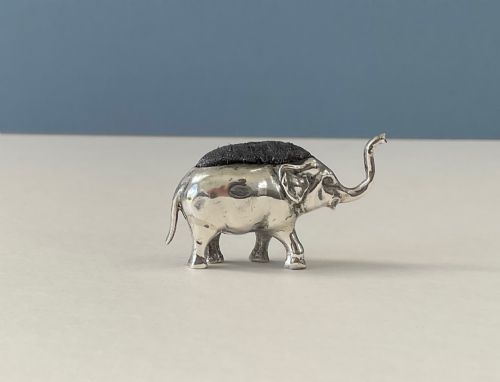
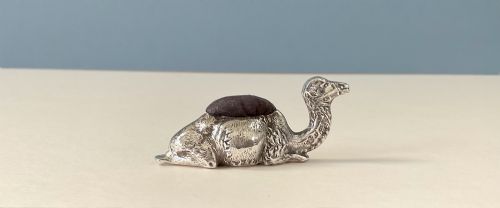
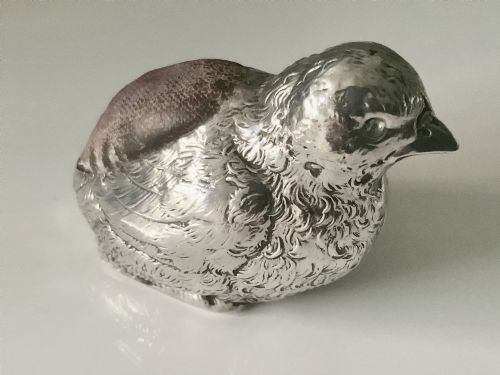
These charming vintage sewing pin cushion examples bring character to a dressing table while keeping working needles secure.
Vintage Sewing Pin Cushion
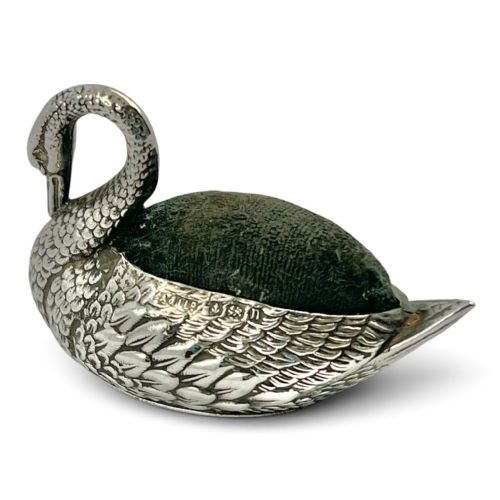
When searching for a vintage sewing pin cushion, collectors generally encounter small domestic objects designed to hold pins and needles during textile work. These pieces emerge predominantly from the Victorian, Edwardian, and George V periods, spanning the nineteenth and early twentieth centuries.
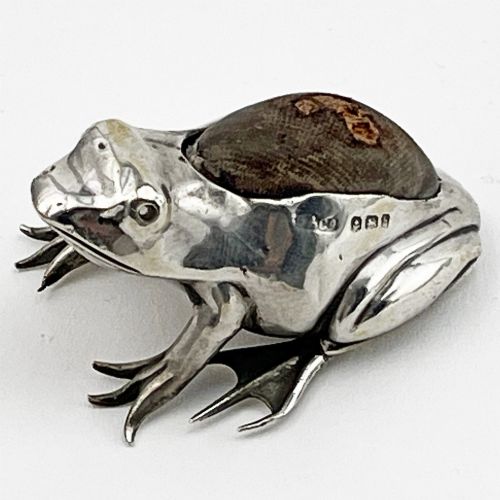
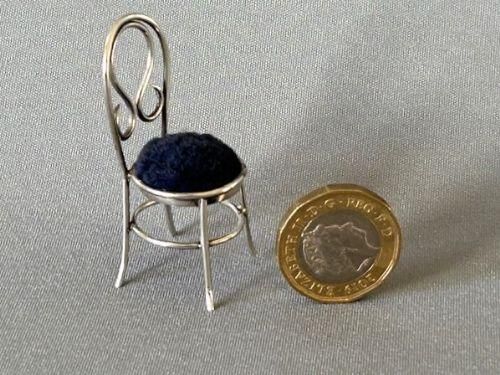
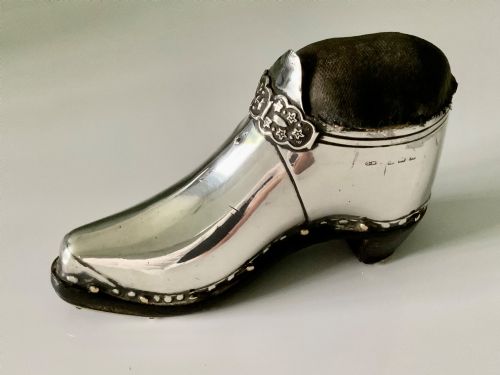
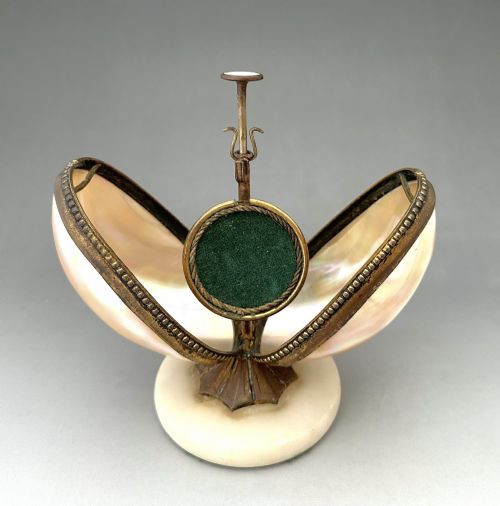
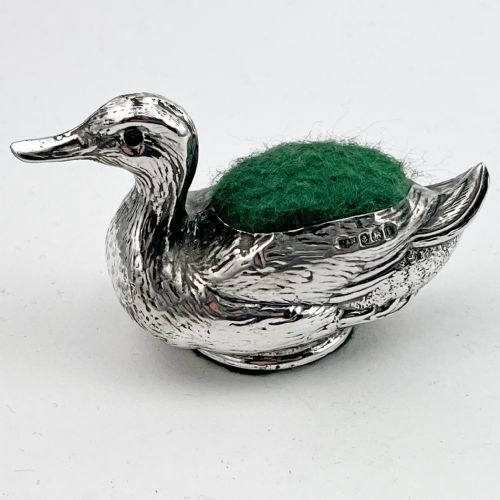
Buyers frequently find domestic items such as shoes, chairs, and baskets alongside animal figures like swans, pigs, and ducks. Each piece combines a functional stuffed cushion with a decorative metal or wooden chassis.
Materials and construction
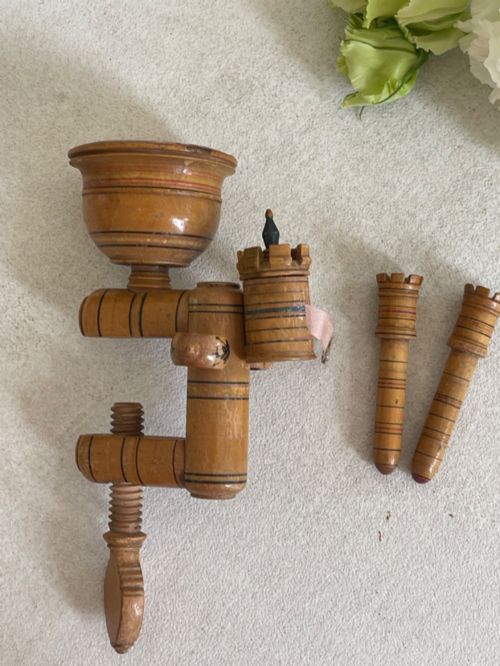
Makers utilised sterling silver and solid silver for the detailed novelty frames, casting or stamping animal and object shapes with remarkable precision. Artisans also worked with turned boxwood and mahogany to create wooden bases, occasionally incorporating Tunbridge ware decoration.
The internal cushioning typically relies on velvet or tightly packed fabric housed within the metal or wooden structure. Workshops secured these textile inserts to display the pins safely without damaging the delicate metalwork or polished wood surrounding them.
Materials in these listings range from velvet and glazed porcelain to sterling silver and turned wood.
Factors of quality
Hallmarks and maker marks significantly elevate the standing of a silver piece, confirming its period and origin. Furthermore, the complexity of the subject matter - such as articulated limbs or unusual machinery like railway lamps and wheelbarrows - separates standard items from superior collector pieces.
Artificer's Guild·George W Shiebler
The Vintage Sewing Pin Cushion Glossary
- Novelty pin cushion
- A container for pins shaped into an amusing or unexpected form, such as an animal or vehicle. These whimsical designs were especially popular during the Edwardian era.
- Treen
- Small handmade wooden household objects created by turning on a lathe or carving. Tunbridge ware forms a specific subset of this technique, featuring intricate mosaic wood decoration.
- Etui
- A small ornamental box or case used to hold needles, scissors, and other sewing implements. They often appear alongside related pin cushions on dressing tables.
- Hallmark
- An official stamp applied to precious metals to indicate the standard of purity, the assay office, and the date of manufacture. These marks help verify the exact age of silver sewing accessories.
Vintage Sewing Pin Cushion: Frequently Asked Questions
How were vintage pin cushions used?
Victorian and Edwardian needleworkers placed these small cushions on sewing tables or dressing chests to keep pins organised and within reach. They prevented stray needles from getting lost in fabrics during garment construction.
Over time, many of these functional tools evolved into decorative ornaments for the home, valued as much for their whimsical appearance as their utility.
What metals were used for silver pin cushions?
Most antique novelty examples utilise sterling silver or solid silver for the outer shell or figurine body. Manufacturers stamped or cast these metals into detailed shapes before inserting the velvet cushion.
Assay offices in cities like Birmingham and Chester frequently struck these pieces, leaving clear hallmarks that indicate the manufacturing year.
Are wooden pin cushions rare?
Wooden examples, particularly those featuring turned boxwood or mahogany bases, appear less frequently than silver novelties on the antiques market. Pieces incorporating Tunbridge ware or sewing clamps represent specialised treen items from the Georgian and nineteenth-century periods.
Collectors prize these wooden accessories for their warmth of material and the intricate craftsmanship required to produce miniature household wares.