



Vintage Servant Bell
These vintage servant bell pieces offer a practical piece of history, combining heavy brass and warm oak to bring functional period mechanics into modern homes.
Vintage Servant Bell
When you search for vintage servant bell, you encounter a range of communication hardware designed for large households, spanning wall mounted systems, door pulls, and desk items.
The options here include Victorian and Georgian examples, alongside Edwardian designs, French Rococo Revival pieces, and Italian palazzo wall chimes.
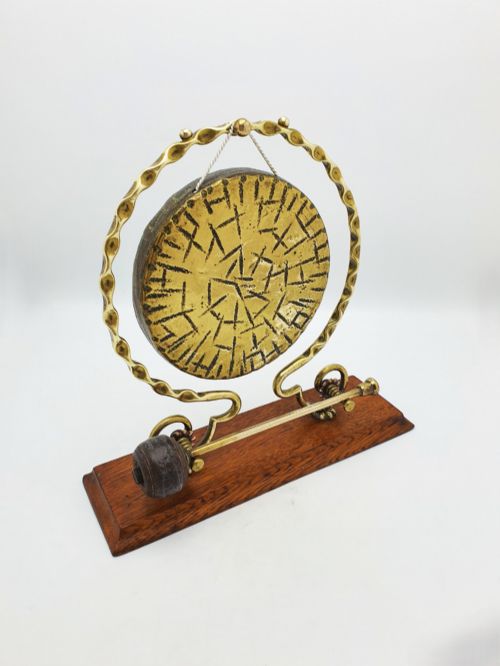
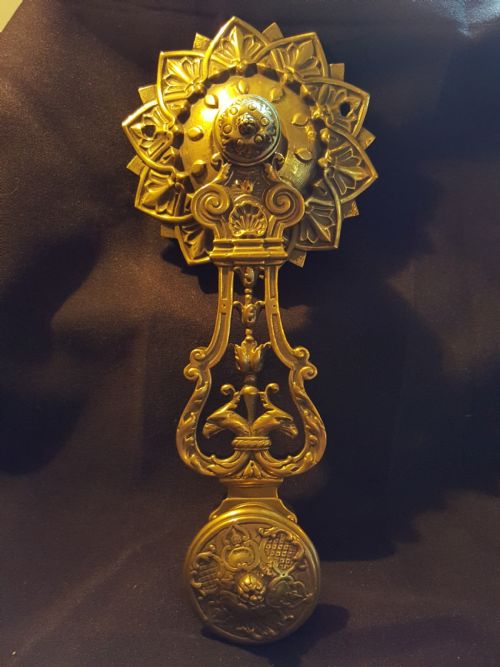
You will find door hardware, wall bells, dinner gongs, bell pulls, architectural signage, desk bells, and bell ringers across the current selection.
How they were made
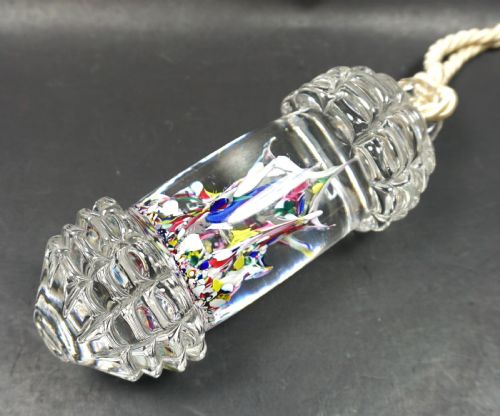
Maker materials combine heavy metals such as brass, bronze, cast iron, and wrought iron with organic elements like oak bases, horn, glass, cord, and rope.
Construction relies on cast and forged metalwork paired with turned wood and functional mechanical linkages designed for daily domestic service.
Six original name plates from Gunton Hall bring the actual rooms of a historic estate directly back into daily conversation.
What varies in quality
Quality separates simple utility hardware from ornate reception pieces through the weight of the metal casting and the complexity of the decorative mount.
Finer examples show crisper detail in brass bell ringers and substantial oak bases, whereas simpler items focus strictly on straightforward mechanical function.
The Vintage Servant Bell Glossary
- Bell pull
- A mechanical lever or handle mounted near a fireplace or doorway, connected by cord or wire to summon household staff from another room.
- Dinner gong
- A suspended metal disc or tube struck with a handheld mallet to announce meals in large period dining rooms.
- Bell ringer
- A mechanical device mounted to a wall or surface, containing a spring or lever mechanism that produces a clear chime when triggered.
- Architectural signage
- Metal plates or indicators, such as name plates from estates like Gunton Hall, used to identify specific rooms connected to a bell system.
Vintage Servant Bell: Frequently Asked Questions
How did servant bell systems work?
Servant bells operated through a network of wires, cranks, and springs connected from rooms throughout a house to a central panel in the kitchen or servants' quarters.
Pulling a bell pull or operating a wall lever would tension the wire and cause a specific indicator or bell to sound, letting staff know which room required attention.
Where were desk counter reception bells used?
Desk counter reception bells were placed in hotels, shops, and large household offices to allow visitors or clients to signal for staff attention.
Unlike wall mounted systems connected to distant rooms, these self contained units sat directly on furniture surfaces for immediate local use.
What materials make up these bells?
These items predominantly feature cast brass, bronze, and iron for the ringing mechanisms, brackets, and gongs, often mounted to solid oak timber bases.
Additional materials include glass handles, horn details, and original cord or rope linkages used in mechanical pull systems.
How do I date a vintage bell?
Dating relies on stylistic clues and construction methods, ranging from Georgian and Victorian ornate brasswork to later Edwardian and 1920s utilitarian designs.
Inscribed architectural signage and specific period revival styles, such as French Rococo Revival, also provide clear indicators of origin and era.