




Victorian Bell Pull
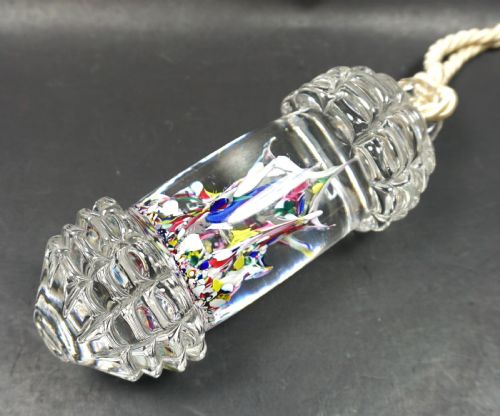
These Victorian bell pull examples are heavy door hardware and tactile fabric drops designed to summon servants, bringing period domestic mechanics into modern interiors.
Victorian Bell Pull
A victorian bell pull is functional door hardware or a hanging textile drop designed to operate a mechanical house bell. You are looking at architectural pieces that connect an entrance to a room below stairs.
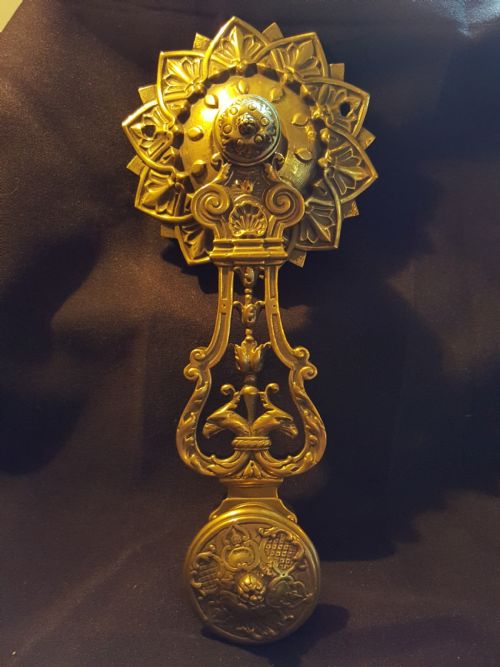
The versions you are most likely to meet on this page span the Georgian and Victorian periods, taking the form of metal levers or embroidered straps. They appear as brass handles, bell ringers, and long woolwork or silk bands.
Originating in domestic settings from country houses to urban properties, these items survive in various states of completeness. Some retain their original wall fixings and handles, while others survive as fabric panels alone.
How they were made
Metal components utilise cast brass, bronze, and iron, shaped into ornate designs or simpler Georgian pulls. These metals provide the structural strength needed to withstand regular pulling against a mechanical wire system.
Fabric versions rely on hand embroidery, utilising wool, silk, and glass beads on canvas or cord bases. Artisans worked Berlin woolwork and needlework patterns to create durable decorative straps that could endure years of handling.
The listings combine brass, bronze, and iron metalwork with textiles including silk, wool, glass beads, and cord.
What varies in quality
Quality rests in the complexity of the casting and the density of the needlework. Heavier brass mountings with intricate detailing and crisp floral or rococo motifs sit above plain utilitarian iron or brass alternatives.
The survival of the textile element determines the character of fabric examples. Dense glass beadwork and intact silk embroidery represent higher levels of domestic investment than simpler wool designs.
The Victorian Bell Pull Glossary
- Bell ringer
- The operating handle or lever mounted beside a door, connected to the internal wire system. This metal piece receives the initial pull from a visitor.
- Berlin woolwork
- A type of counted-thread embroidery popular during the nineteenth century, worked in brightly coloured wools on canvas. It provides the decorative body for many hanging pulls.
- Architectural hardware
- Functional metal fixtures attached to buildings, including door pulls, hinges, and bell mechanisms. These items combine utility with the decorative style of their period.
- French Rococo Revival
- A nineteenth-century design style marked by elaborate, asymmetrical scrollwork and naturalistic curves. This aesthetic often appears on ornate brass mounts and bell ringers.
Victorian Bell Pull: Frequently Asked Questions
How did a Victorian bell pull work?
A bell pull connects via concealed wires and bell cranks to a metal bell hung below stairs or in the kitchen. Pulling the handle or strap rings the bell to summon domestic staff.
The mechanical linkage requires tension through the wall, meaning complete systems relied on coordinated hardware working together smoothly.
Where were bell pulls placed in a house?
They were mounted beside exterior entrance doors for visitors, or inside principal rooms like the drawing room and dining room for family use. This allowed residents to call servants without leaving their seats.
Exterior positions required durable metal hardware, while interior positions often featured the embroidered fabric straps.
Can I hang a fabric bell pull today?
Fabric bell pulls can be hung as decorative wall hangings using appropriate support brackets. Many retain their original brass or art nouveau handles at the base.
Due to age and delicate silk or wool threads, they function best as decorative items rather than active mechanical pulls.
How do I tell Georgian bell pulls from Victorian ones?
Georgian bell pulls tend to feature simpler brass designs with cleaner architectural lines. They reflect the classical restraint popular during the eighteenth and early nineteenth centuries.
Victorian examples often display heavier ornamentation, cast brass elaboration, or extensive beadwork and needlework reflecting later nineteenth-century tastes.