







Vintage Senneh Carpet
These vintage senneh carpet pieces are woven Persian textiles of distinct character, prized by collectors for their fine knotting and traditional designs.
Vintage Senneh Carpet
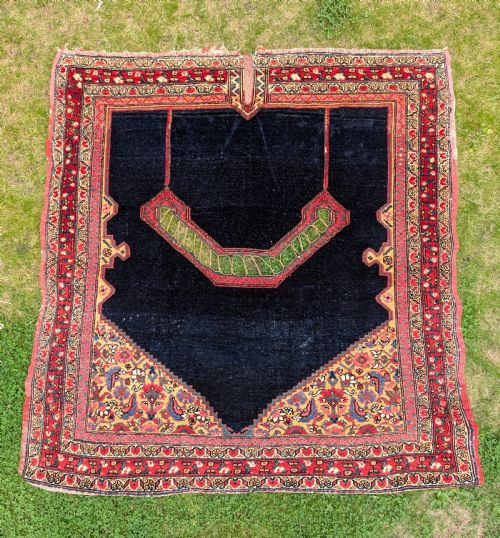
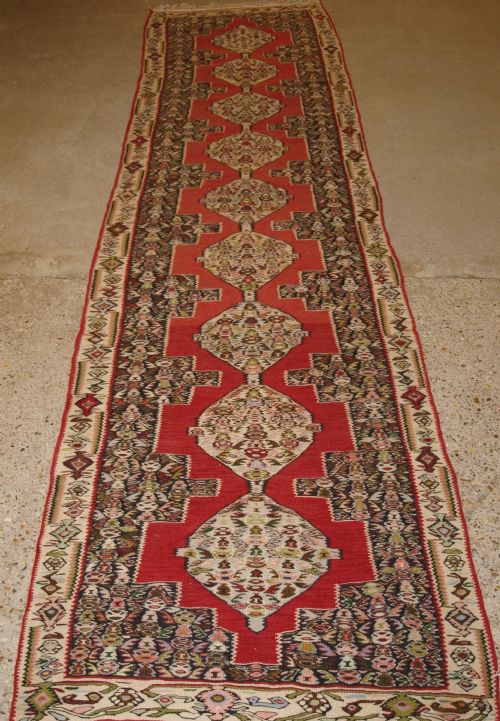
A vintage senneh carpet brings traditional Persian artistry into domestic spaces through enduring forms such as rugs, runner rugs, area rugs, and saddle covers. These woven items originate from West Persia and reflect the distinct heritage of Kurdish craftsmanship.
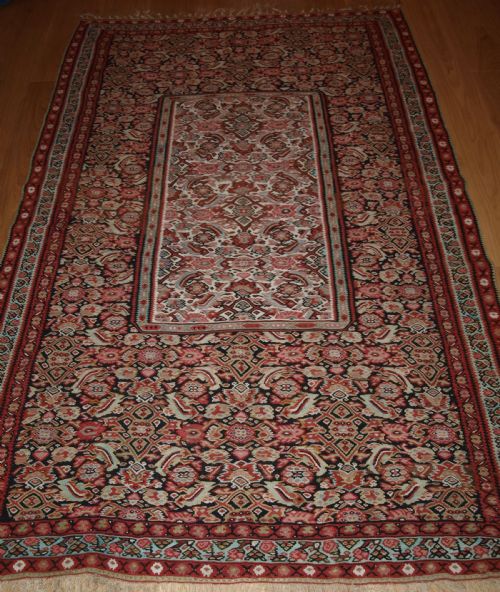
Most examples encountered on this page date from the nineteenth and early twentieth centuries, spanning periods from eighteen fifty to nineteen thirty. Buyers will find both pile rugs and flatwoven kilims among the available objects.
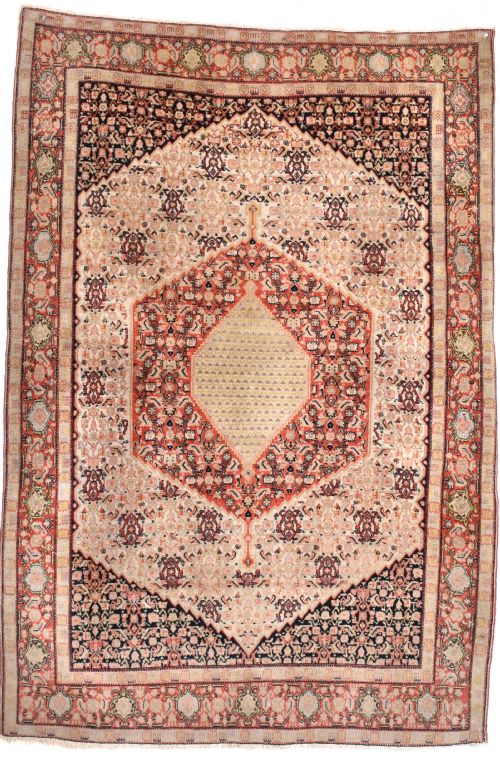
Smaller formats and saddle covers sit alongside room-sized kelleh carpets and narrow runner rugs. Each piece demonstrates the classical medallion or traditional patterns characteristic of the region.
Materials and construction methods
Weavers constructed these textiles using natural materials, predominantly wool, hand-spun wool, cotton, and occasional silk. Hand-spun wool provides the durable pile and flat surface texture seen across the majority of surviving examples.
Cotton foundations frequently supply structural stability for the denser pile rugs and kelims. Silk appears in select nineteenth-century pieces, offering a finer handle and subtle sheen.
Vintage Senneh Carpet Retail Price Guide 2026
Typical asking prices for vintage senneh carpet among the pieces listed under this phrase on Sellingantiques today, from the lower quarter to the upper quarter. They describe what is for sale here now, not the wider market.
Several items in this selection began their existence as equestrian furnishings before transitioning to domestic floor art.
Factors that distinguish individual examples
Quality in a vintage senneh carpet rests upon the tightness of the weave and the clarity of the design. Finer knotting allows intricate geometric and floral motifs to emerge with sharp definition.
The integrity of the original wool and cotton foundations determines the structural soundness of each rug or kilim. Preserved edges and balanced proportions separate standard domestic floor coverings from exceptional collector pieces.
The Vintage Senneh Carpet Glossary
- Kilim
- A flatwoven textile produced without a pile. These pieces rely on interlocking weft threads to create geometric patterns.
- Kelleh
- A large format rectangular rug traditionally used in Persian interiors. They offer extended proportions compared to standard area rugs.
- Saddle cover
- A specialised animal trapping woven to fit a riding animal. These items feature specific contoured shapes.
- Hand-spun wool
- Yarn spun by hand rather than by industrial machinery. This material retains natural lanolin and creates varied texture.
- Kurdish
- Pertaining to the cultural region and weaving traditions of Kurdistan. This attribution influences the characteristic palette and motifs.
Vintage Senneh Carpet: Frequently Asked Questions
How do I clean a vintage senneh carpet?
Gentle surface vacuuming without a beater bar removes loose dirt from the wool pile. Professional specialist cleaning remains essential for deep washing to protect the natural fibres.
Avoid chemical detergents and excessive moisture during any maintenance. Allowing air drying prevents damage to the cotton foundation.
Can I place these rugs in high-traffic areas?
Durable wool construction allows these textiles to handle normal domestic movement. Placing a suitable rug underlay beneath the piece prevents slipping and reduces friction against the floor.
Limiting direct exposure to intense sunlight preserves the natural dyes over time. Rotating the placement ensures even wear across the surface.
What is the difference between a rug and a kilim?
Rugs possess a raised pile created by individual knots tied to the warp threads. This construction gives a soft and dense surface underfoot.
Kilims are entirely flatwoven by passing coloured wefts back and forth through the warp. This technique yields a lighter textile with a smooth finish on both sides.
How do I identify a nineteenth-century piece?
Nineteenth-century examples display hand-spun wool with distinct natural dye variations across the field. Closer inspection of the knot count and fringe construction reveals period manufacturing methods.
Design motifs on older pieces adhere strictly to traditional tribal layouts without synthetic colour influences. Examining the back of the textile provides further clues regarding age and origin.