




Vintage Scrubbed Oak Table
A vintage scrubbed oak table brings honest utility and timeless grain to a room, offering a sturdy surface shaped by decades of genuine use.
Vintage Scrubbed Oak Table
When you search for a vintage scrubbed oak table, you encounter robust domestic furniture designed for daily work and dining. The examples gathered here span from Georgian origins through to the 1920s, capturing centuries of practical service in kitchens, taverns, and farmhouses.
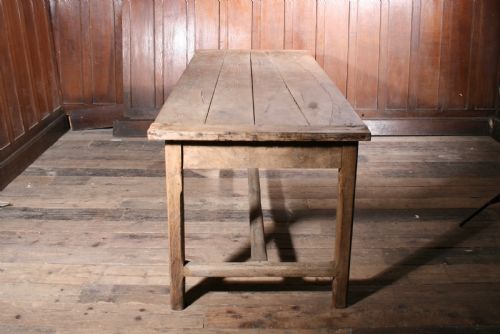
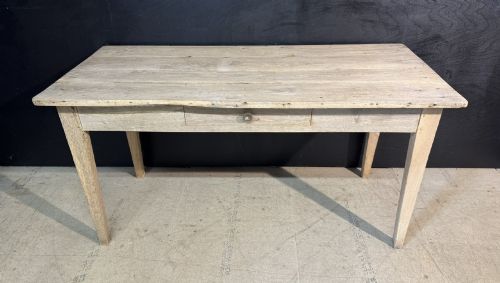
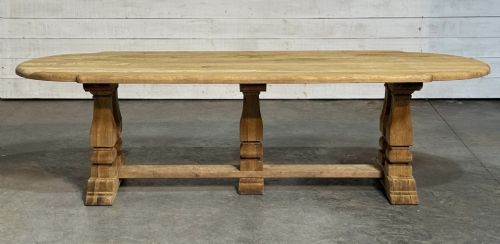
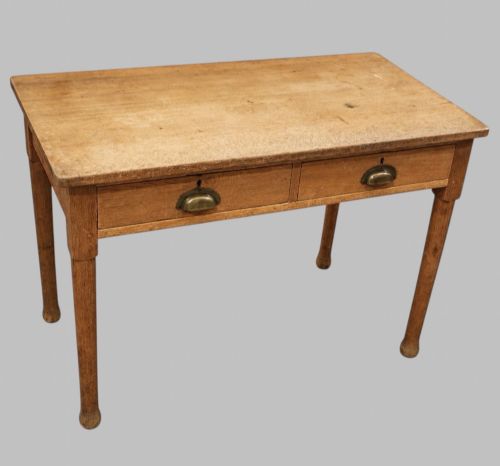
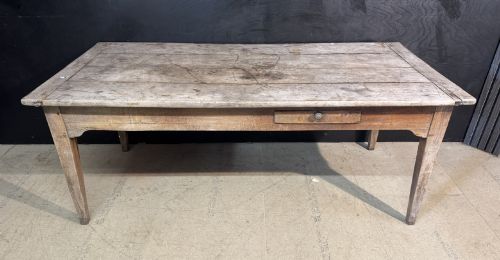
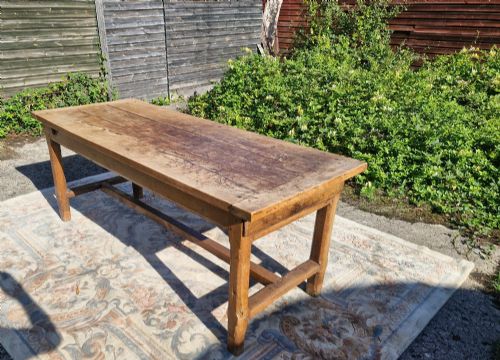
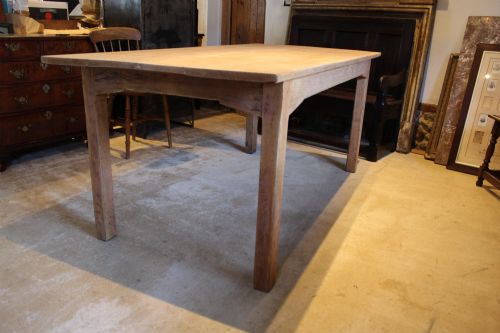
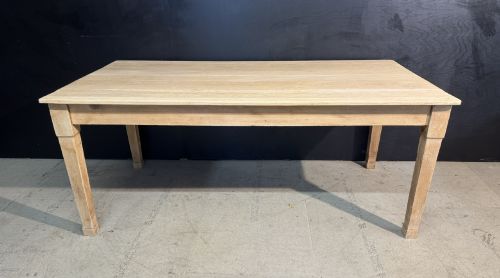
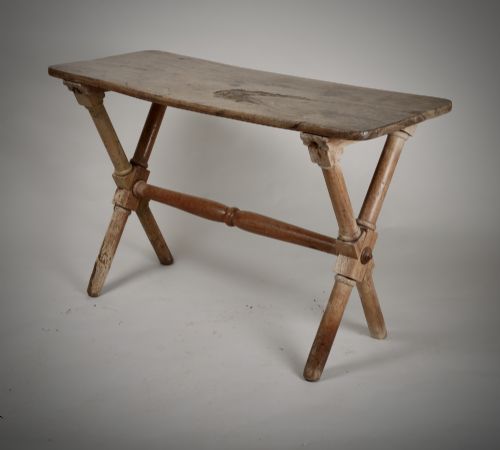
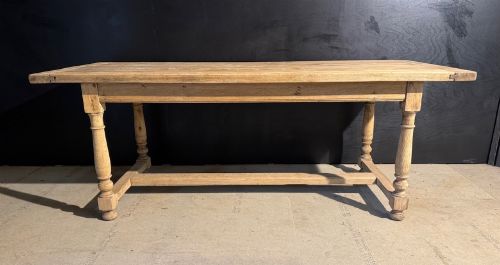
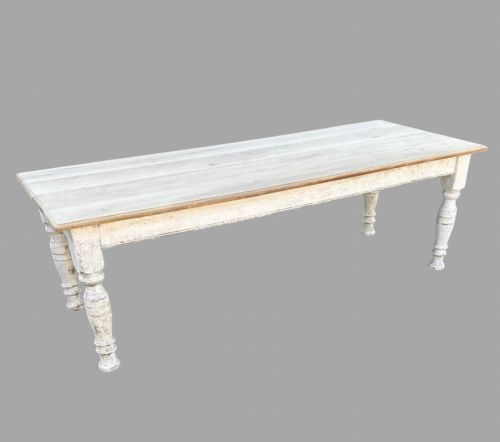
You are most likely to meet substantial farmhouse dining tables and kitchen tables, often featuring scrubbed or bleached tops that reveal the natural timber grain. Alongside these larger forms, the selection includes specific regional variants like French Normandy tables, refectory styles, and smaller occasional pieces such as tavern tables and coffee tables.
The aesthetic leans heavily towards rustic country and provincial traditions rather than formal courtly furniture. These pieces were built to be used hard, resulting in surfaces that show the marks of preparation, family meals, and daily domestic life.
How they were made
The primary construction relies on solid timber, with oak forming the backbone of the heavier dining and refectory pieces. Craftsmen also utilised pine, sycamore, elm, and occasional metal fixings to build frames capable of withstanding heavy daily loads.
Surface treatment defines the character of these items, particularly the scrubbing or bleaching process applied to the top boards. This vigorous cleaning technique strips away old finishes to expose the raw grain, while older painted or timber bases retain their rich patination from decades of handling.
Vintage Scrubbed Oak Table Retail Price Guide 2026
Typical asking prices for vintage scrubbed oak table among the pieces listed under this phrase on Sellingantiques today, from the lower quarter to the upper quarter. They describe what is for sale here now, not the wider market.
Several tables show centuries of flour dust in their grain.
What varies in quality
The distinction between standard utility pieces and finer examples rests in the selection of timber and the harmony of proportions. Tables built with thick, well-figured oak planks and balanced structural turnings demonstrate superior joinery that survives centuries without excessive wobble.
Surface integrity and original patination also dictate the standing of a piece. Tops that have been scrubbed with care retain their structural thickness and historical character, whereas over-scraped boards lose their historic undulating topography and visual depth.
The Vintage Scrubbed Oak Table Glossary
- Scrubbed top
- A wooden tabletop cleaned down to the raw grain through repeated washing and scrubbing. This treatment leaves the timber pale and tactile.
- Refectory table
- A long dining table traditionally used in communal dining halls. These feature sturdy legs connected by low stretchers for added stability.
- Tavarn table
- A small, sturdy wooden table historically used in public houses. They often feature simple turned legs and thick plank tops.
- Patina
- The surface sheen and colour developed over decades of use and polishing. It marks the authentic age of the timber.
- Stretcher
- A horizontal wooden brace connecting the legs of a table. It provides structural rigidity and prevents the legs from bowing outward.
Vintage Scrubbed Oak Table: Frequently Asked Questions
How do I clean a scrubbed oak table?
Use a damp cloth and mild soap to wipe the surface down after meals. Avoid harsh chemical cleaners that can strip the natural grain.
For stubborn marks, a gentle scrub along the grain with a soft brush helps maintain the pale, clean finish without damaging the antique timber.
Can I use these tables for everyday dining?
These tables were originally built for heavy daily use in kitchens and farmhouses. They are exceptionally sturdy and handle modern family life with ease.
Using placemats and coasters helps protect the historic surface from extreme heat and moisture rings while you enjoy them daily.
What is the difference between a refectory and a farmhouse table?
Refectory tables typically feature longer proportions with low stretchers connecting the legs for extra support. They originated in large communal dining settings.
Farmhouse tables often have a more domestic scale and straightforward four-leg construction designed specifically for kitchen work and family meals.
How do I date an older wooden table?
Examine the underside and joints for tool marks, handmade fixings, and the natural wear patterns of the timber. Hand-cut joinery points towards older Georgian or nineteenth-century origins.
The presence of bleached or scrubbed surfaces often reflects later nineteenth and early twentieth-century domestic fashions for lighter kitchen interiors.