



Vintage Scandinavian Storage Box
These heavy timber trunks and painted boxes bring authentic Scandinavian country character to modern rooms.
Vintage Scandinavian Storage Box
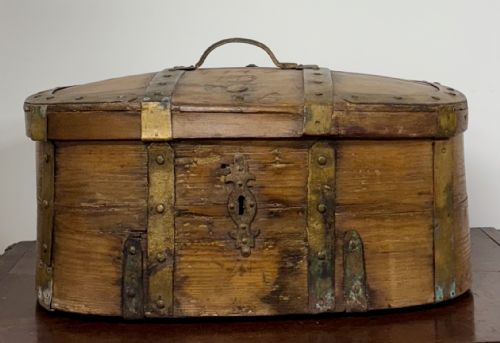
A vintage scandinavian storage box encompasses a range of wooden receptacles used historically for domestic storage, from small table caskets to large dome-top coffers. The pieces seen here span the eighteenth and nineteenth centuries, originating from Sweden, Norway and Denmark.
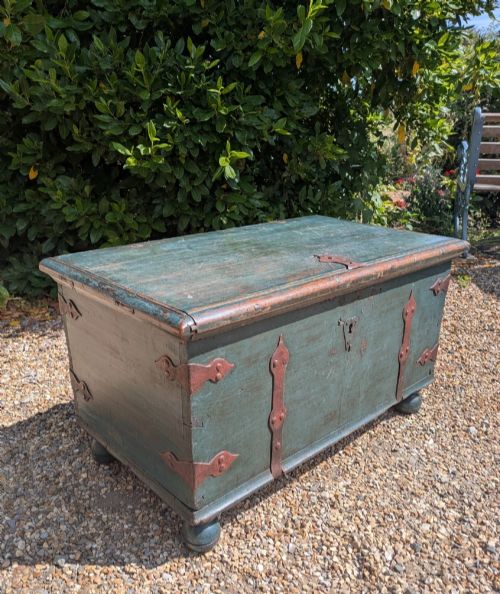
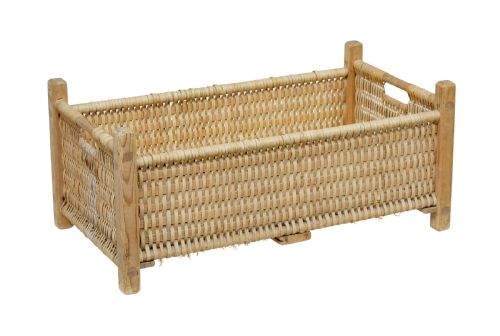
Buyers will most frequently encounter nineteenth-century pine boxes finished with original painted surfaces, alongside oak coffers and woven pine baskets. Forms vary from simple dough bins and log boxes to marriage chests bearing traditional folk art decoration.
How they were made
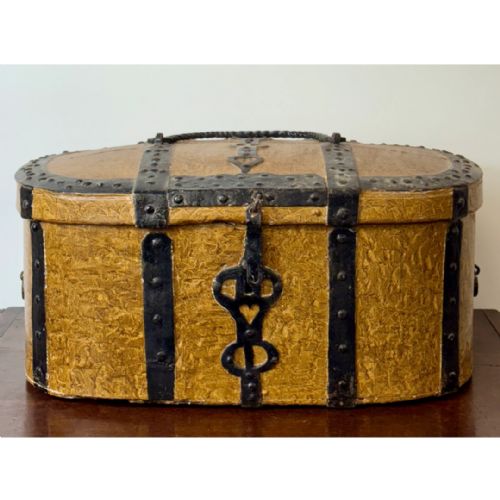
Carpenters constructed these containers primarily from native pine and oak, utilising durable joints to withstand daily domestic utility. Surfaces often received layers of paint or graining, sometimes complemented by carved details.
Metal components played a structural and decorative role, with blacksmiths hammering iron strapwork and hinges by hand. Brass fittings also appear on select pieces, while smaller containers utilise bentwood construction.
Vintage Scandinavian Storage Box Retail Price Guide 2026
Typical asking prices for vintage scandinavian storage box among the pieces listed under this phrase on Sellingantiques today, from the lower quarter to the upper quarter. They describe what is for sale here now, not the wider market.
Pine and oak dominate the timber selection across these listings, accompanied by wrought iron and brass hardware.
What varies in quality
The survival of original surface decoration dictates much of the distinction between examples, as untouched folk art paintwork carries greater aesthetic weight than later overpainting. The complexity of the carpentry, from simple nailed pine boards to sophisticated dovetailing and carved mouldings, also separates standard utility items from finer workshop pieces.
Ironwork contributes significantly to the character of a piece, where hand-forged strapwork and intact original hinges demonstrate superior craftsmanship. The proportion and scale of the container, alongside the integrity of the timber, complete the hierarchy.
The Vintage Scandinavian Storage Box Glossary
- Cofer
- A large chest with a lid, typically used for storing valuable goods or textiles in a domestic setting.
- Strapwork
- Ornamental bands of metal, often iron, fixed across the exterior of a box for reinforcement and decoration.
- Dough bin
- A specialised wooden trough or box utilised for preparing bread dough before baking.
- Tine
- A traditional Norwegian bentwood box constructed with overlapping wooden bands secured by wooden pins.
- Folk art
- Decorative painting and carving executed by self-taught rural artisans rather than academic craftsmen.
Vintage Scandinavian Storage Box: Frequently Asked Questions
How were these storage boxes used originally?
Rural households utilised these wooden containers to store textiles, food provisions, and personal valuables securely within the home.
Larger coffers held bedding and winter clothing, while smaller boxes accommodated documents, cutlery, or small household items.
How do I identify original painted surfaces?
Original paint finishes show natural wear patterns, craquelure, and subtle fading consistent with age and domestic handling.
Under magnification, early mineral pigments reveal multiple thin layers rather than the uniform flatness associated with modern refinishing.
Can I use these boxes for modern storage?
These robust timber containers suit everyday storage needs in contemporary living spaces, accommodating blankets, books, or dry goods.
Placed in hallways or living rooms, they function as practical furniture while displaying historical character.
What is the difference between a box and a coffer?
Coffers generally refer to larger, heavier chests designed with dome-top lids for structural strength and substantial capacity.
Boxes typically denote smaller rectangular containers intended for tabletop use or lighter contents.