




Antique Food Box
An antique food box provides practical storage while bringing centuries of domestic history and craft into the home.
Antique Food Box
When you search for an antique food box, you encounter a diverse range of vessels designed to store, preserve, or transport provisions in domestic settings. These items span multiple centuries and international traditions, from European country furniture to Asian carriers.
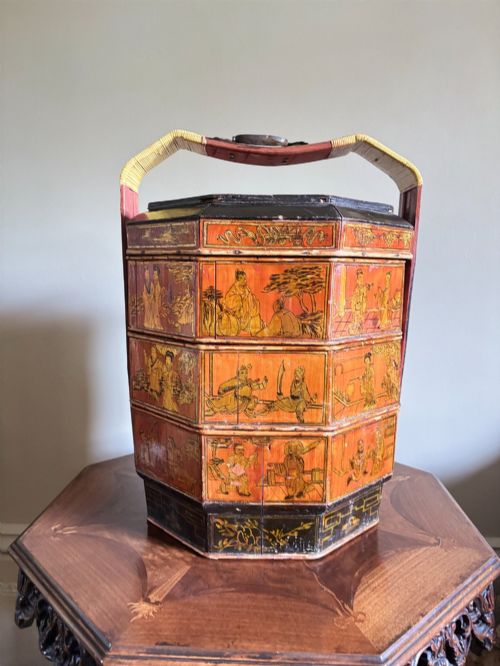
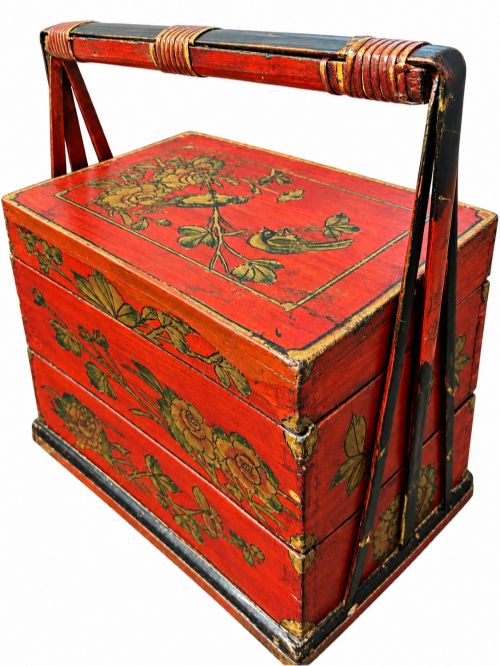
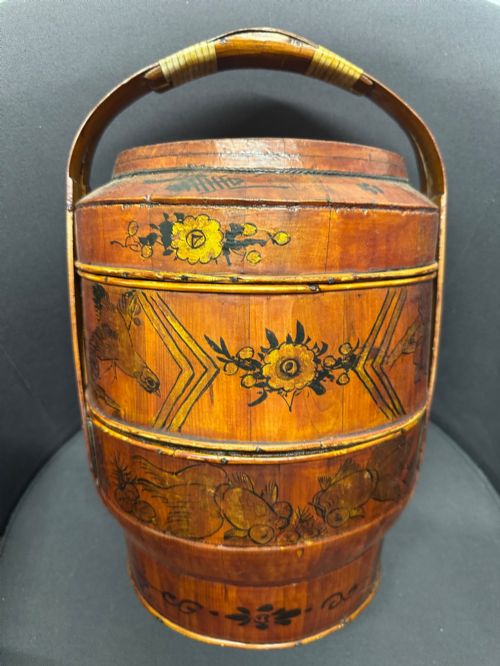
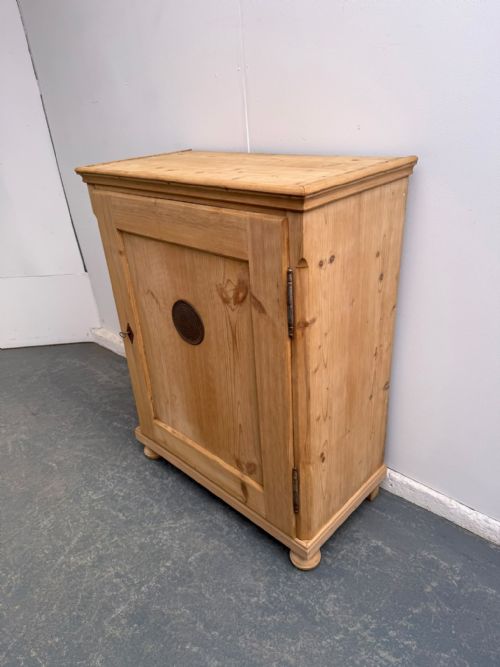
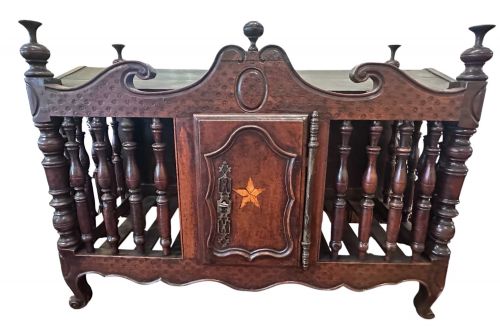
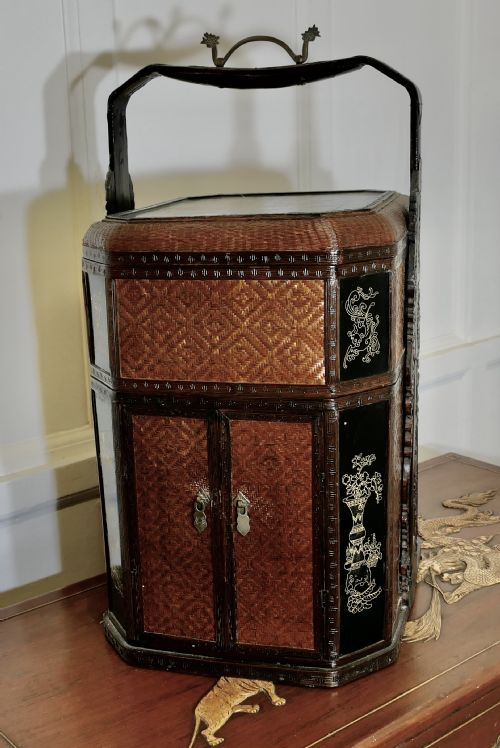
The pieces on this page include utilitarian pine cupboards, ventilated bread cages, and tiered lacquer baskets intended for specific foodstuffs. Each form reflects the culinary customs and storage needs of its period and region.
You are most likely to meet 19th-century examples, such as Scandinavian pine containers with original decoration or French fruitwood bread stores. These items demonstrate how households managed daily provisions before modern refrigeration.
Materials and construction methods
Makers utilised locally available timber such as pine, fruitwood, oak, and walnut, shaping them with hand tools to build sturdy frames and boxes. Joinery methods varied from pegged joints in early cupboards to bentwood techniques used in Scandinavian tine boxes.
Surface finishes played a crucial role in protecting and decorating these utilitarian objects, ranging from painted decoration and wax to red lacquer. Metal elements like iron hinges, cane bindings, and silver plating appear on specialised items such as lunch boxes and dowry baskets.
Antique Food Box Retail Price Guide 2026
Typical asking prices for food box among the pieces listed under this phrase on Sellingantiques today, from the lower quarter to the upper quarter. They describe what is for sale here now, not the wider market.
Listings feature items from the 18th century through to the 20th century, utilising pine, walnut, oak, fruitwood, iron, lacquer, and cane.
Distinguishing quality across examples
Quality in an antique food box rests on the integrity of its construction and the preservation of its original surface decoration. Pieces retaining untouched paint, natural patination, or traditional hardware command greater attention from collectors than heavily restored counterparts.
Thomas Bradbury·William Crawfords and Son Ltd
The Antique Food Box Glossary
- Panetiere
- A traditional French food box or bread cage designed to store loaves away from household pests. These pieces frequently feature turned spindles and fruitwood frames.
- Tine
- A traditional Scandinavian wooden food box constructed with overlapping bentwood bands and secured with wooden pins. They often display distinctive painted decoration.
- Dowry basket
- A multi-tiered vessel used in Chinese traditions to transport foodstuffs or gifts during marriage ceremonies. These are typically finished in red lacquer.
- Fruitwood
- Dense timber harvested from fruit-bearing trees such as cherry or pear, utilised by regional cabinetmakers for domestic furniture and storage boxes.
- Patina
- The surface sheen and colour developed by wood and metal over decades of handling and ageing. It serves as an indicator of genuine age and continuous use.
Antique Food Box: Frequently Asked Questions
What is an antique food box?
An antique food box is a historical container or cabinet created to store, protect, or carry provisions in the home. These items range from wall-mounted bread cages to lidded lunch boxes and painted storage vessels.
They reflect the domestic habits of past centuries, showing how families managed their daily meals before the advent of modern packaging and refrigeration.
How were antique food boxes used?
These boxes served specific practical roles in daily life, such as keeping bread fresh and aerated in ventilated wooden cages. Other vessels were designed to transport meals or hold pantry supplies securely.
Many forms were tailored to particular foodstuffs or occasions, from rural Scandinavian storage to ceremonial Asian carriers.
How do I live with an antique food box?
Living with these pieces involves placing them in domestic spaces where their materials and forms can be appreciated without exposure to extreme heat or moisture. They function effectively as display pieces or as storage for dry goods, textiles, and household items.
Maintaining stable room conditions helps preserve the original painted surfaces, lacquers, and historic wood finishes.
How do I tell periods apart?
Distinguishing periods relies on observing construction techniques, hardware, and decorative styles characteristic of specific centuries. Earlier pieces often feature pegged joinery and hand-carved details, while 19th-century and later items incorporate factory-made elements or distinct regional painting traditions.
Comparing the timber patination and material use against documented historical examples provides further clarity on dating.