




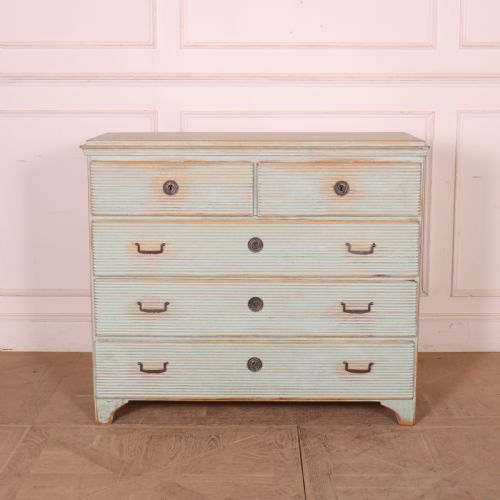


Vintage Scandinavian Painted Furniture
Vintage scandinavian painted furniture brings light, practical utility and distinctive regional character into a room through pale woods and layered historical pigments.
Vintage Scandinavian Painted Furniture
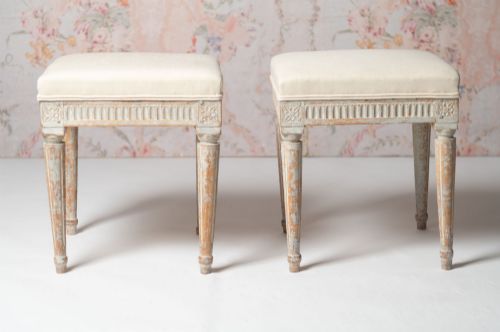
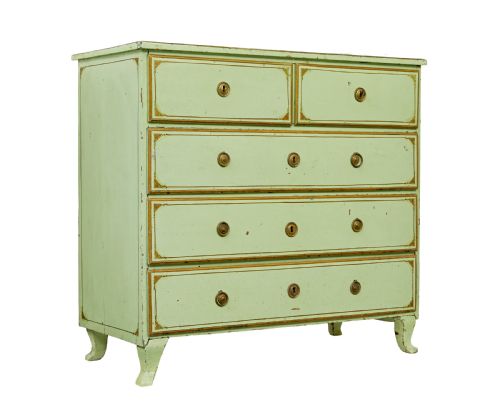
Vintage scandinavian painted furniture encompasses domestic storage, seating and dining items originating primarily from Sweden and Denmark during the eighteenth, nineteenth and early twentieth centuries. These objects range from robust pine kitchen tables and dressers to elegant Gustavian commodes with serpentine fronts and fluted drawer fronts.
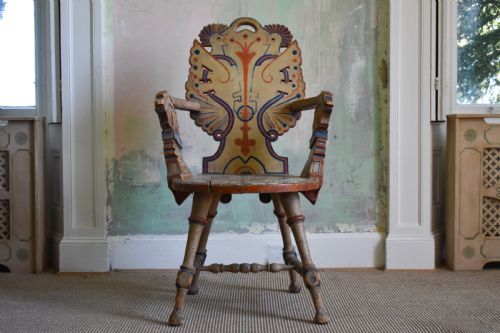
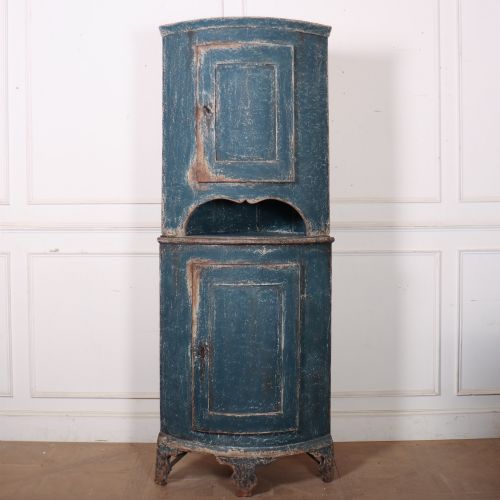
The selection relies heavily on country and folk art traditions alongside neoclassical Gustavian forms. Cupboards, cabinets, chests of drawers and dropleaf tables form the core of what appears in this category, often shaped by regional joinery methods.
Pieces frequently display painted finishes that have aged over decades or centuries, showing varying degrees of distress and patination. Whether dealing with a simple bench or a bonnet top cabinet, the construction remains rooted in utilitarian purpose.
How they were made
Makers relied primarily on native pine and softwood, shaping boards with hand tools to build sturdy carcasses for cupboards, tables and commodes. Iron and brass hardware such as hinges, keyplates and pulls secured doors and drawers.
Surfaces received layers of paint, including traditional Falu red or distinctive ragwork finishes designed to simulate more expensive timbers like birch. Pigments were applied over softwoods to protect the wood and brighten dimly lit northern rooms.
Vintage Scandinavian Painted Furniture Retail Price Guide 2026
Typical asking prices for vintage scandinavian painted furniture among the pieces listed under this phrase on Sellingantiques today, from the lower quarter to the upper quarter. They describe what is for sale here now, not the wider market.
Pine and painted softwood dominate the material record across these nineteenth century Scandinavian listings.
What varies in quality
Quality rests in the survival of original decorative paint surfaces and the integrity of the underlying joinery. Items retaining untouched layered pigments or specific techniques like ragwork hold greater historical interest than those stripped or heavily refinished.
Proportion and decorative restraint set finer pieces apart, particularly within Gustavian items where carved fluting and serpentine curves demand high joinery skill. Simpler folk art pieces derive their standing from expressive painted character and unaltered structural forms.
Gemla Fabrikers
The Vintage Scandinavian Painted Furniture Glossary
- Gustavian
- The Swedish neoclassical style spanning the late eighteenth and early nineteenth centuries, characterised by restrained classical motifs, symmetry and light painted finishes.
- Ragwork
- A decorative paint technique using rags or cloths to manipulate wet glaze or pigment, creating mottled or textured patterns that often mimic burr wood.
- Falu paint
- A traditional deep red or earthy paint derived from copper mine waste, widely used on timber buildings and furniture for its preservative qualities.
- Slagbord
- A traditional Scandinavian dropleaf table supported by swinging wooden gates or legs.
- Serpentine
- A curved furniture front characterised by a convex centre flanked by concave sides, or vice versa, requiring precise carpentry.
Vintage Scandinavian Painted Furniture: Frequently Asked Questions
How do I clean vintage painted furniture?
Dust surfaces gently with a dry, soft cloth to protect fragile historical paint layers from moisture damage.
Avoid modern chemical polishes, as harsh solvents can strip original pigments and alter the aged patination.
Are these pieces suitable for daily use?
Most items, including kitchen tables, benches and chests of drawers, were built for robust domestic service and remain fully functional.
Care should be taken with delicate decorative surfaces, using coasters or pads to prevent new marks on historical finishes.
How do I identify Gustavian style?
Look for neoclassical elements such as fluted columns, tapered legs and understated floral or ribbon carvings.
These pieces typically feature pale, muted paint tones that reflect Scandinavian interpretations of French Louis XVI design.
What is original paint?
Original paint refers to the earliest decorative or protective pigment layer applied when the object was first constructed.
The presence of this surface layer is determined through close inspection of wear patterns, underlying priming and accumulation of age.