




Vintage Salt Spoons
These vintage salt spoons are tiny table implements designed to transfer condiments from a cellar to the plate, bringing both function and history to the dining table.
Vintage Salt Spoons
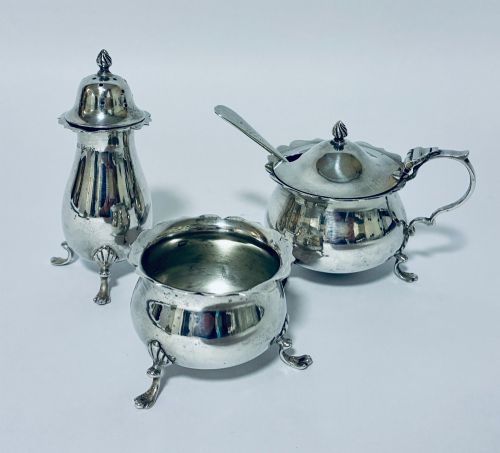
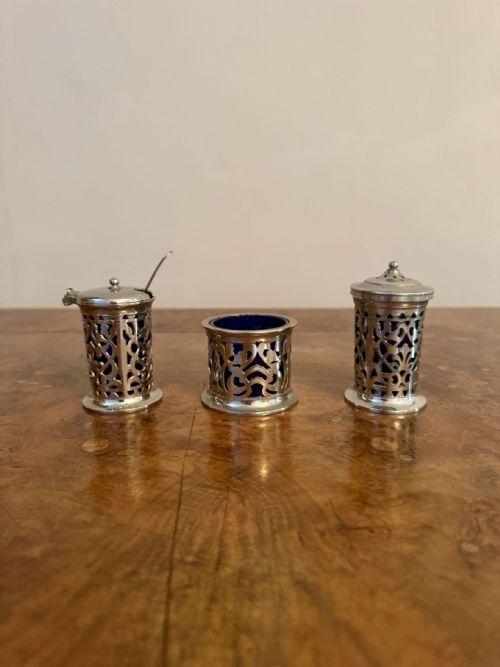
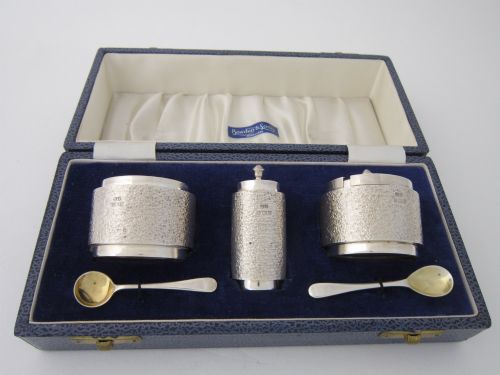
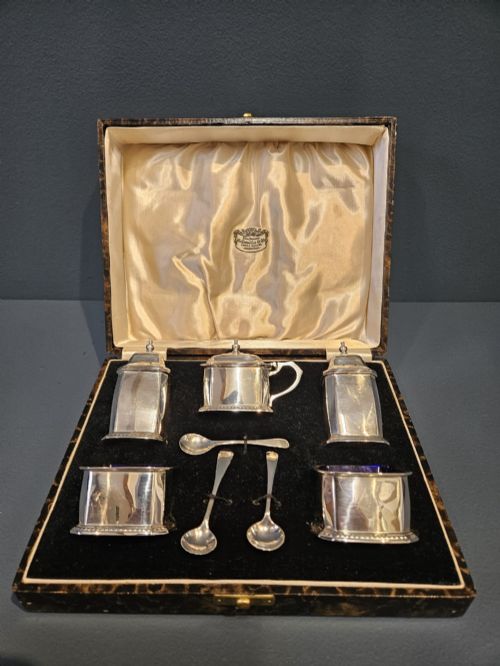
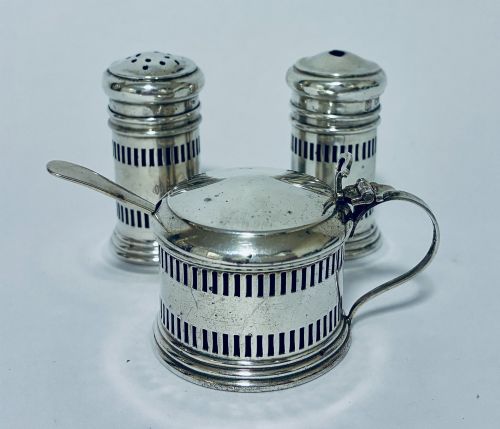
When you search for vintage salt spoons, you encounter miniature implements designed to accompany open salt cellars and larger cruet sets on the dining table. These small spoons appear alongside condiment sets, individual salt cellars, and fitted presentation boxes spanning several decades of domestic dining.
The examples on this page emerge from various periods, including Edwardian, Art Deco, and Mid-Century Modern eras. You are most likely to meet silver and silver-plate specimens originating from early twentieth-century makers, alongside occasional wooden and novelty pieces.
How they were made
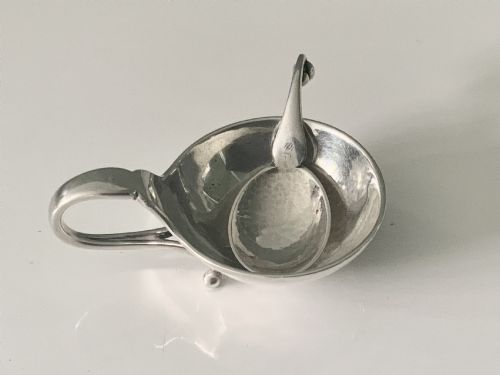
Makers shaped these spoons primarily from sterling silver, silver-plate, and silver-gilt, utilising traditional metalworking techniques such as casting and stamping. Some variants incorporate fruitwood or feature paired components alongside cut glass and velvet linings within fitted presentation cases.
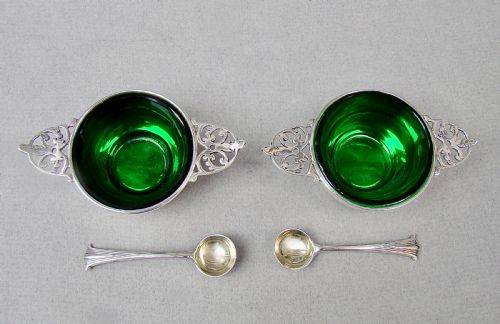
Surface decoration relies on hallmarks, chased details, and simple bowls suited to small measures of seasoning. The construction ranges from plain utility patterns to novelty forms like miniature quaich vessels and Swiss folk art carvings.
Vintage Salt Spoons Retail Price Guide 2026
Typical asking prices for vintage salt spoons among the pieces listed under this phrase on Sellingantiques today, from the lower quarter to the upper quarter. They describe what is for sale here now, not the wider market.
Materials represented in the inventory span sterling silver, silver-plate, glass, fruitwood, silk, and velvet linings.
What varies in quality
The distinction between standard domestic items and finer pieces rests in the weight of the metal and the crispness of the maker's mark. Heavier gauge silver and clear hallmarks indicate workshop care that separates basic utilitarian wares from distinguished dining accessories.
Design execution also dictates standard, where simple stamped bowls contrast with detailed novelty shapes or matched cased sets. The presence of original fitted boxes and integrated glass or velvet elements influences the overall integrity of the piece.
Georg Jensen·Josiah Williams & Co·Wilmot Manufacturing Co
The Vintage Salt Spoons Glossary
- Cruet set
- A matched collection of bottles, castors, or cellars designed to hold condiments like salt, pepper, vinegar, and mustard on the dining table.
- Salt cellar
- An open bowl or small vessel placed on the table to hold loose salt before the general adoption of spring-loaded shakers.
- Silver-gilt
- Silver that has been coated with a thin layer of gold on its surface to prevent tarnishing and add a rich, warm tone.
- Hallmark
- An official stamp applied to precious metals indicating the standard of purity, the assay office, and the year of manufacture.
- Quaich
- A traditional shallow two-handled drinking vessel, occasionally adapted in miniature form for novelty salt containers.
Vintage Salt Spoons: Frequently Asked Questions
What are vintage salt spoons used for?
These small spoons were specifically designed to transfer salt from an open tabletop cellar onto an individual dinner plate. Before modern table shakers became common, diners used them to avoid dipping fingers into the communal salt container.
They appear frequently within fitted condiment sets and cruet stands alongside matching glass or silver cellars. Today, collectors often use them for serving mustard, spices, or caviar.
How do I clean antique silver salt spoons?
Gentle washing in warm soapy water using a soft cloth is usually sufficient to remove everyday dust and light tarnish from silver surfaces. Avoid harsh abrasive cleaners that can wear away engraved details or delicate hallmarks stamped into the metal.
If using a specialised silver polish, apply it sparingly and rinse thoroughly to prevent residue from settling in the bowl of the spoon. Storing them in dry conditions or anti-tarnish rolls helps maintain the finish between uses.
How can I tell the age of a salt spoon?
Official hallmarks stamped on silver spoons provide the most reliable indication of age by recording the assay office and date letter code. Stylistic clues, such as the geometric lines of Art Deco pieces or the ornate flourishes of Edwardian designs, also help narrow down the period.
Packaging provides another hint, as fitted velvet boxes often correspond to the manufacturing era of the cutlery inside. Comparing the form to documented historical styles clarifies the timeline of production.