


Vintage Salt Cellars
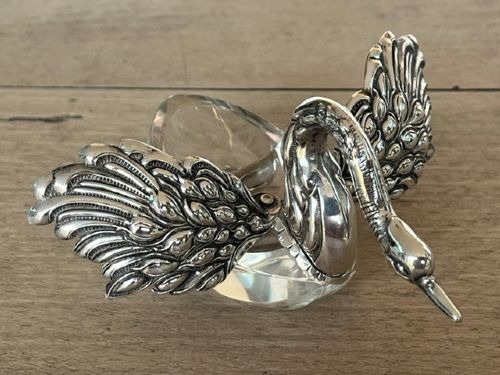
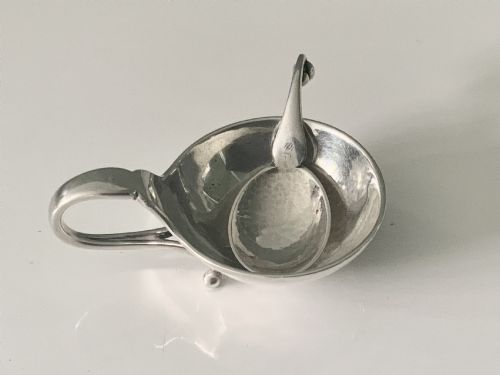
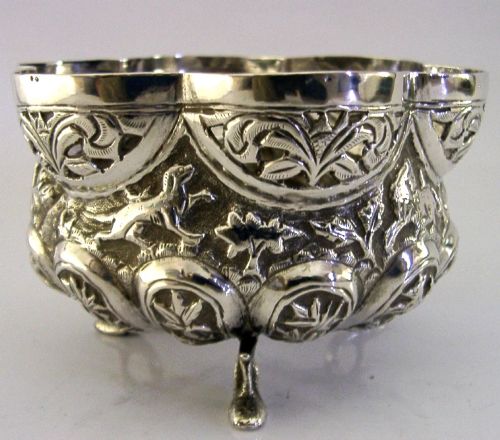
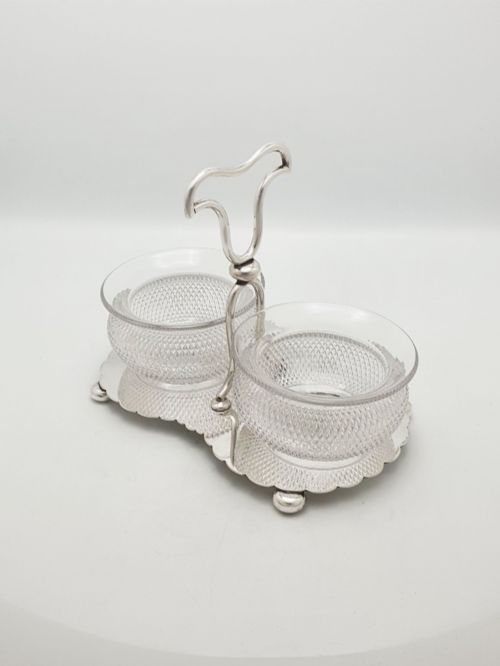
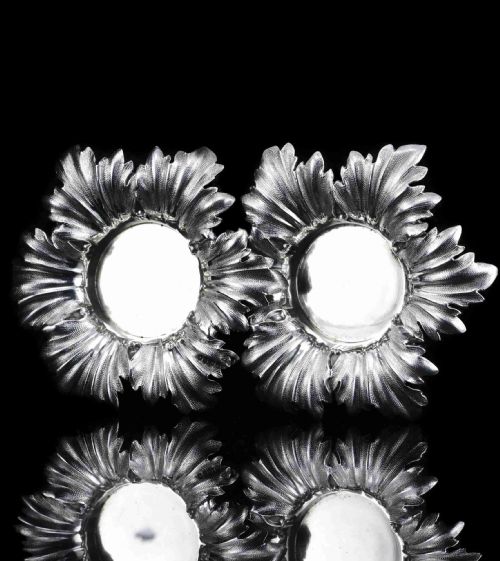
These vintage salt cellars bring small-scale elegance to the dining table, ranging from simple open glass bowls to intricate silver novelties.
Vintage Salt Cellars
When you search for vintage salt cellars, you encounter open vessels and closed pots designed to hold salt at the dining table before modern shakers became common. These pieces span periods from the eighteenth century through the Victorian, Edwardian and Art Deco eras, extending into mid-century modern designs.
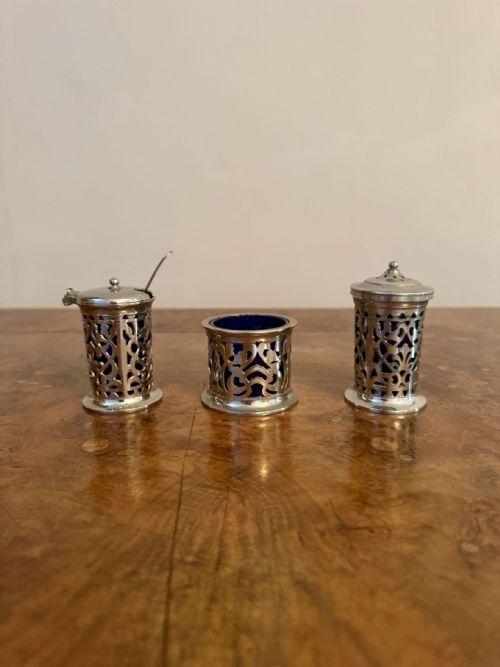
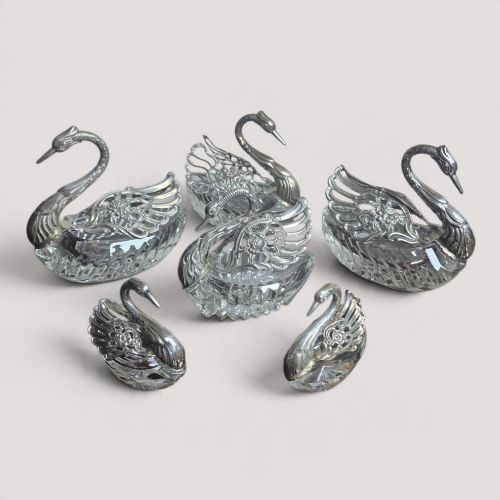
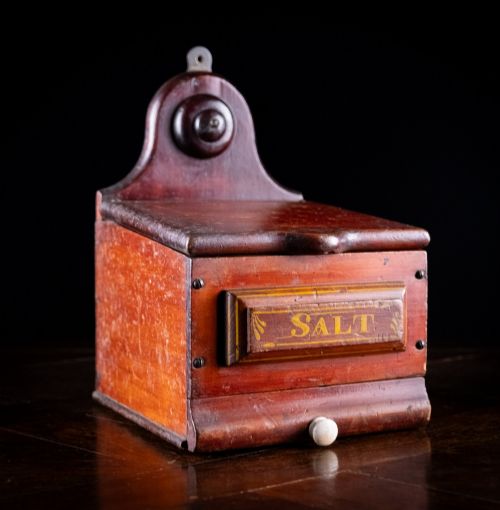
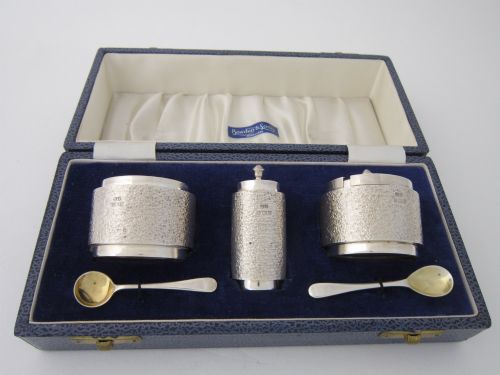
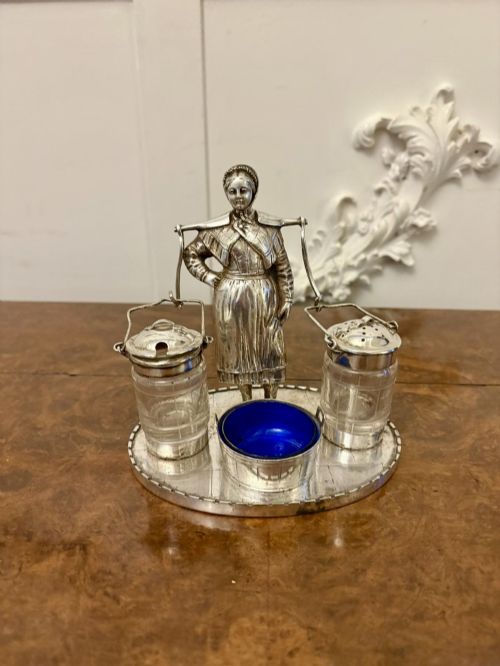
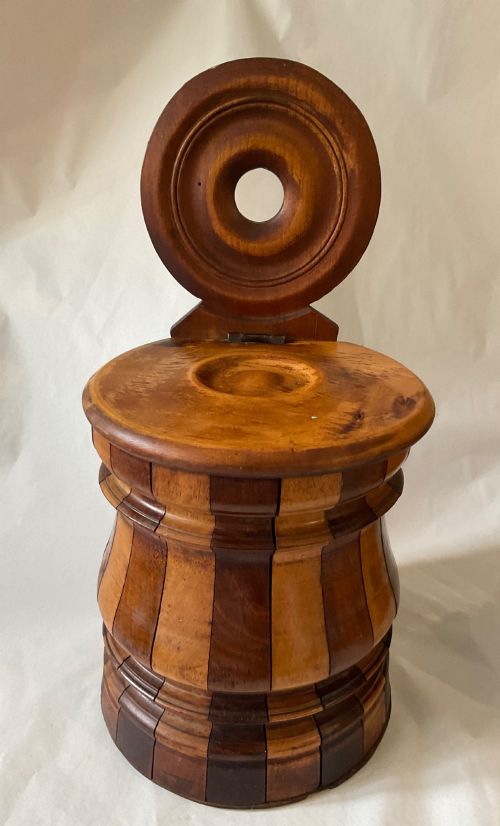
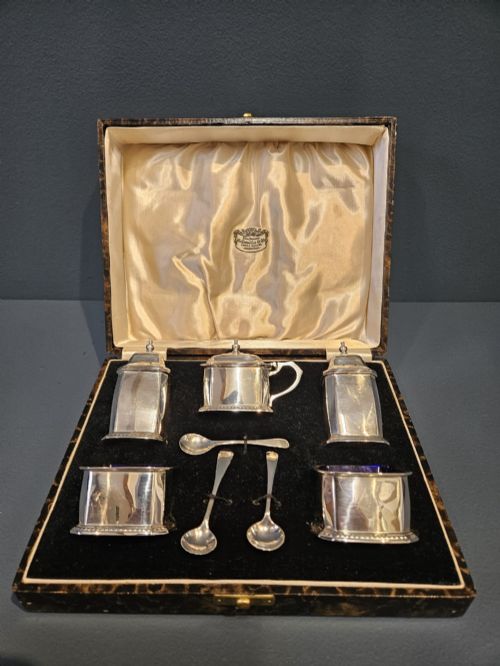
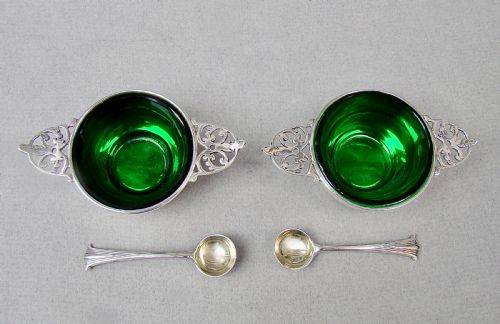
The selections on this page appear as individual open salts, matched pairs, cased sets with spoons, and larger cruet frames incorporating mustard pots and pepper shakers. Alongside traditional silver and glass table salts, the listings include larger wall-mounted salt boxes and small decorative dishes.
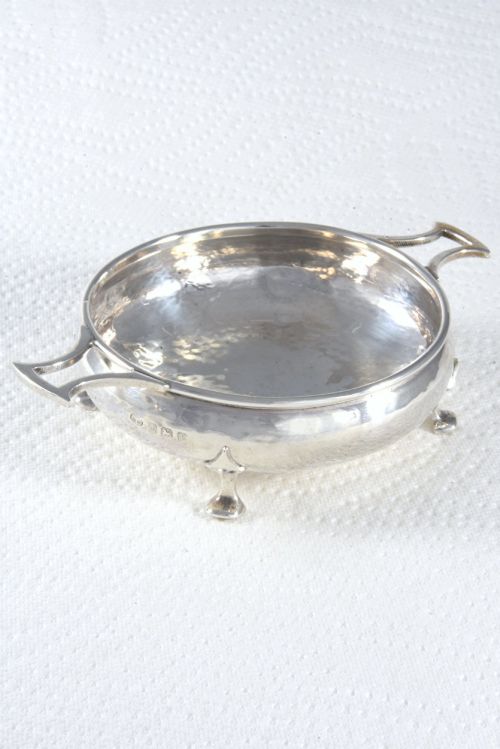
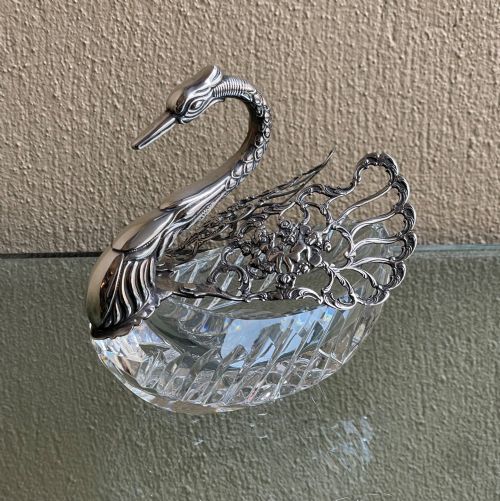
Material variety shapes the category, moving from sterling silver and silver plate to cut glass, cobalt glass liners, French faience, and colourful enamel work. Form follows function across diverse stylistic influences, including novelty animal shapes, Viking longships, and classic tub or cauldron silhouettes.
How they were made
Silversmiths shaped sterling silver and silver plate through casting, hammering, and detailed hand chasing, often incorporating pierced galleries or applied beaded rims. Many open silver salts require removable glass liners in cobalt blue or cranberry glass to protect the metal from corrosion by the salt.
Glass vessels were produced using mould-pressed techniques, deep cut glass patterns, or flash overlays, sometimes finished with hand-painted gilt edges. Enamel work fused powdered glass to metal bases under high heat, creating vibrant interior and exterior panels on Scandinavian and French pieces.
Vintage Salt Cellars Retail Price Guide 2026
Typical asking prices for vintage salt cellars among the pieces listed under this phrase on Sellingantiques today, from the lower quarter to the upper quarter. They describe what is for sale here now, not the wider market.
The object forms include paired open salts, wall-mounted salt boxes, condiment cruet stands, and whimsical novelty animal shapes.
What varies in quality
The standard of a salt cellar rests upon the crispness of its chasing, the weight of the metal, and the clarity of the glass insert. Superior examples display balanced proportions, legible hallmarks, and securely fitted components that have survived decades of daily dining use.
Cased sets derive distinction from complete matching components, original spoons, and well-preserved presentation boxes lined with velvet or satin. Condition consistency across multi-piece cruet sets and pairs elevates the overall integrity of the grouping.
Georg Jensen·Josiah Williams & Co·Wilmot Manufacturing Co·Barnards·Bricks & Sons
The Vintage Salt Cellars Glossary
- Open salt
- A small tabletop bowl designed to hold loose salt accessed with a tiny spoon or pinched fingers rather than shaken.
- Cruet set
- A matched collection of condiment containers, often held within a metal frame or stand for the dining table.
- Foliate chasing
- A decorative technique where metal is hammered from the front to create raised leaf and plant motifs.
- Cobalt glass
- A deep blue glass frequently utilised for removable liners inside open silver salt cellars.
- Quaich
- A traditional Scottish two-handled drinking vessel scaled down in these listings to form novelty open salts.
- Hallmark
- A stamped official mark on precious metals indicating the standard of purity, assay office, and year of manufacture.
Vintage Salt Cellars: Frequently Asked Questions
How were salt cellars used?
Before the invention of free-flowing table salt in containers with pierced tops, salt sat openly at the table in small dishes. Diners used tiny spoons or their fingers to take a pinch of salt for their food.
These pieces sat individually at each place setting or were shared between diners along the length of the table. Wealthier households utilised elaborate silver cruet sets to display multiple seasonings.
How do I clean silver salt cellars?
Silver components require gentle cleaning with a specialised silver polish and a soft cloth to preserve the underlying metal and any fine chasing. Care must be taken to remove glass liners before cleaning so moisture does not become trapped underneath.
Harsh abrasive cleaners or prolonged soaking will damage the delicate enamel work and antique plate finishes found on many Edwardian and Art Deco examples.
Are glass liners original?
Original glass liners fit snugly into the metal frame without excessive movement and match the period style of the outer salt cellar. Replacements are common because glass liners endured heavy wear and frequent washing during daily use.
Colour variations, such as cobalt blue or cranberry flash glass, often help link a replacement liner to the correct manufacturing era.