




Vintage Sailor Folk Art
These vintage sailor folk art pieces are tactile records of the sea, offering authentic maritime character to any interior.
Vintage Sailor Folk Art
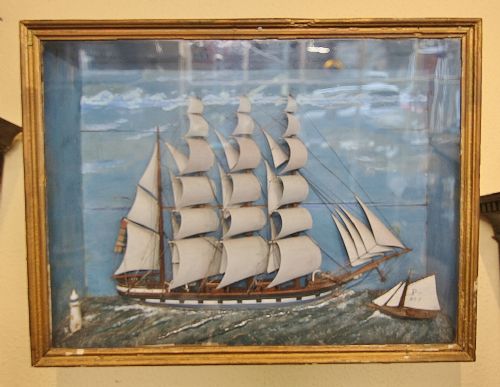
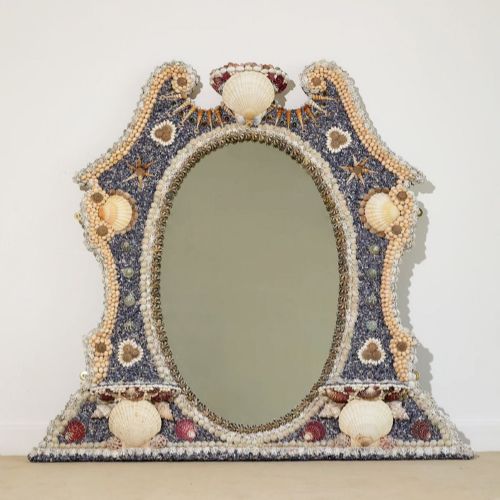
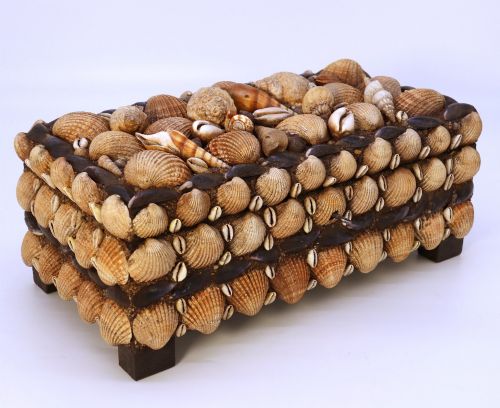
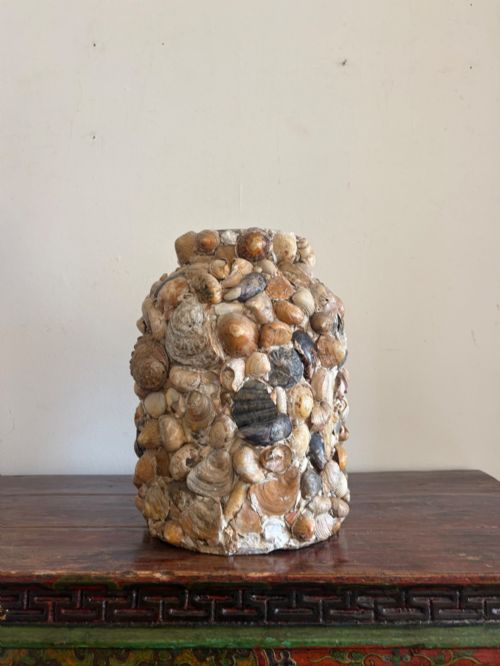
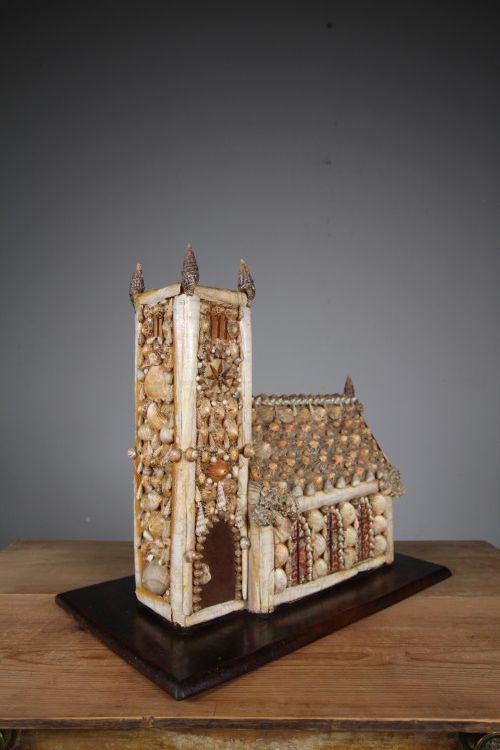
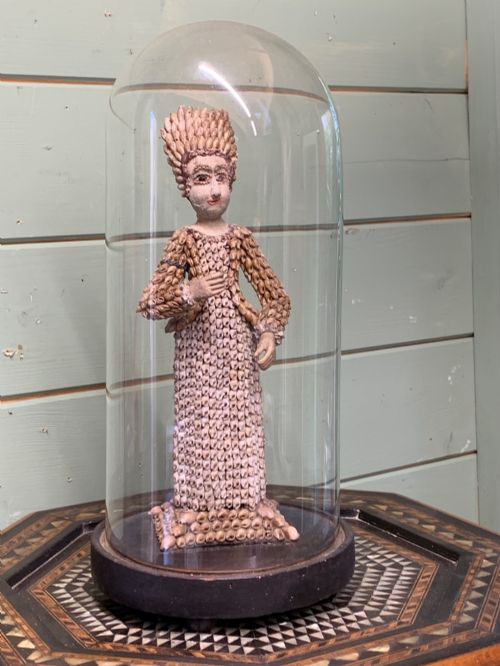
The selection frequently includes intricate shellwork items such as boxes, jars, churches, and grottoes alongside textile works like sailors woolie embroideries. Other common forms are carved wood items, walking sticks, and decorative models shaped from materials gathered during voyages.
Origins span English, Welsh, French, and broader European traditions, dating from the Georgian and Victorian eras through the interwar period up to nineteen fifty. Each object reflects the resourcefulness and maritime heritage of its maker using accessible everyday materials.
How vintage sailor folk art pieces were made
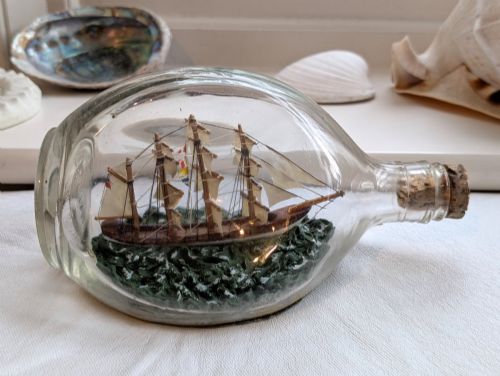
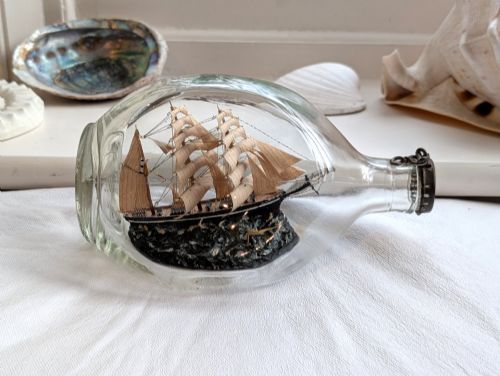
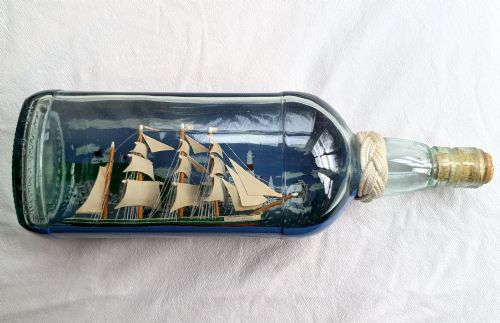
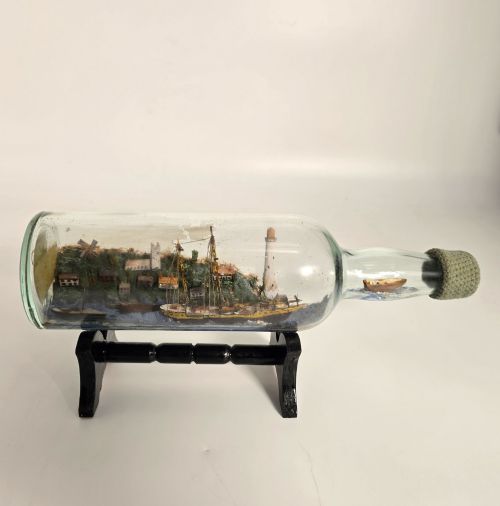
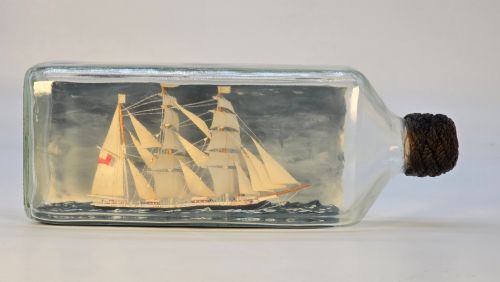
Makers constructed these works using wood, glass, paint, cork, thread, and seashells, combining organic substances with structural elements found on ships or in coastal settlements. Wood serves as the primary base for carved models, walking sticks, and sailors fids, while glass houses delicate dioramas and bottled vessels.
Artisans applied paint to wooden components and assembled miniature rigging using fine thread alongside cork stoppers within glass containers. Seashells were arranged meticulously with plaster in decorative boxes, jars, and grotto structures to create textured patterns.
Specialised items incorporate whalebone, horn, and shark vertebrae shaped by hand tools into functional and decorative objects like walking sticks and drinking vessels. This resourcefulness defined maritime craftsmanship across the nineteenth and early twentieth centuries.
Vintage Sailor Folk Art Retail Price Guide 2026
Typical asking prices for vintage sailor folk art among the pieces listed under this phrase on Sellingantiques today, from the lower quarter to the upper quarter. They describe what is for sale here now, not the wider market.
Materials recorded across the inventory include glass, paint, cork, thread, seashells, metal, plaster, and carved bone.
What varies in quality in vintage sailor folk art
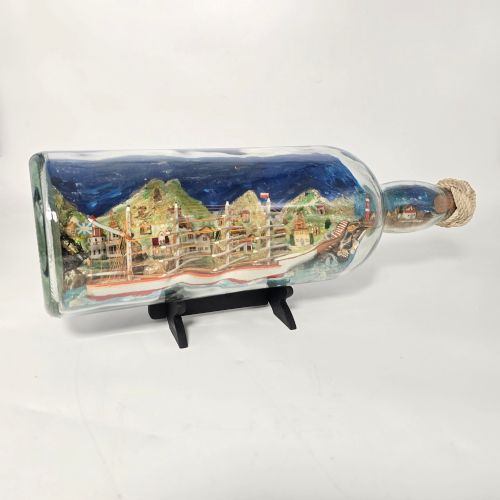
The sophistication of internal detail within ships in bottles and dioramas distinguishes finer examples from simpler output, showing precision in miniature rigging and hull construction. The complexity of the arrangement dictates the visual impact of the piece within a collection.
The preservation of delicate organic components such as seashells, thread, and paper elements influences the overall integrity of shellwork boxes, grottoes, and woolie embroideries. Intact displays with minimal loss to applied materials command greater attention from collectors.
The uniqueness of the material form, such as carved whalebone, rosewood, or shark vertebrae walking sticks, contributes to the distinction of individual items. Objects showing unusual scale or specific regional provenance add depth to historical representation.
The Vintage Sailor Folk Art Glossary
- Woolie
- A sailors embroidery created using wool yarn to depict ships at sea, often framed behind glass with stitched details.
- Sailors Fid
- A tapered wooden or bone tool used by mariners for splicing rope, frequently carved as a personal keepsake.
- Maritime Diorama
- A three-dimensional scenic display enclosed in a box or case, representing a ship or coastal subject.
- Shell Grotto
- An architectural or decorative arrangement covered entirely in seashells, creating textured grotto shrines or boxes.
Vintage Sailor Folk Art: Frequently Asked Questions
What is a sailors woolie?
A sailors woolie is a nineteenth-century textile embroidery created by mariners using wool thread to depict sailing ships upon the water. These works were usually framed and served as decorative records of life at sea.
They rely on varied stitch techniques to render waves, flags, and hull details. Collectors prize them for their distinct folk art aesthetic and tangible connection to maritime history.
How were ships placed inside bottles?
Makers constructed the wooden sailing ship with hinged masts and rigging that folded flat against the hull to pass through the narrow neck of the glass bottle. Once inside, pull-strings attached to the rigging raised the masts into an upright position.
The mechanism was then secured using glue or cork wedging, and the bottle was sealed. Artisans often used painted sand or putty at the base to simulate the sea.
What materials did sailors use for carving?
Sailors utilised whalebone, horn, shark vertebrae, rosewood, and general scrap timber available during long voyages. They carved these substances into walking sticks, fids, and small decorative objects during quiet watches.
These materials were durable and readily accessible aboard vessels or in coastal ports. The resulting pieces reflect the practical carving skills developed by nineteenth-century mariners.
How do I date a shellwork box?
Dating shellwork relies on examining the construction of the underlying wooden box, the species of shells used, and the style of adhesive or plaster lining. Georgian and Victorian examples typically feature specific box joints and mounting techniques.
Comparing the arrangement style with documented regional pieces helps establish a rough period. Surviving labels or dated inscriptions occasionally provide direct historical confirmation.