



Vintage Sabino Glass
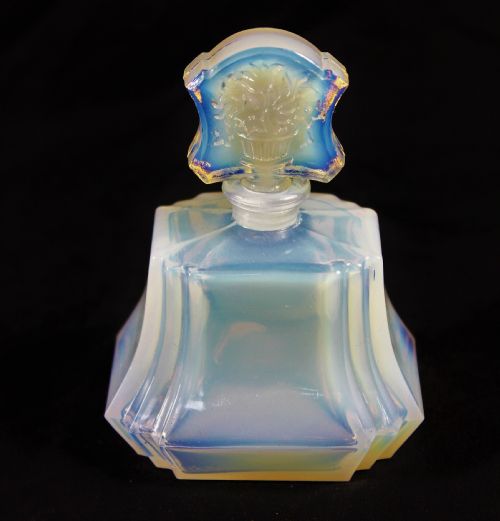
These vintage sabino glass pieces are French Art Deco items known for their opalescent glow, highly sought after by collectors of period glass.
Vintage Sabino Glass
When searching for vintage sabino glass, buyers encounter French Art Deco creations originating from the 1930 period. These items capture the distinct aesthetic of the interwar era through stylised forms and delicate relief work.
The most common items found in this selection are small perfume bottles, often paired with matching stoppers, alongside decorative dishes, larger chargers, and sculptural figures. Each piece represents the output associated with Marius Ernest Sabino.
Originating entirely from France, these moulded objects demonstrate the characteristic design language of European decorative arts from the early twentieth century. They offer a tangible connection to the height of the Art Deco movement.
How they were made
Production relied heavily on pressed glass techniques, allowing workshops to shape molten material into complex figurative and geometric moulds. This method captured fine surface details, particularly on sculptural subjects and relief patterns.
The signature opalescent effect was achieved through specific chemical additions to the glass batch, causing it to catch the light with bluish and amber tones. Frosted finishes were frequently applied to highlight contours and create contrast against translucent areas.
Even a tiny perfume bottle can contain a school of stylised fish swimming across its frosted sides.
What varies in quality
The intensity of the optical effects within the material dictates visual appeal, with uneven distribution or dull opacity lowering the overall impact. Preservation of surface textures and original finishes also plays a key role in distinguishing finer items.
Marius Ernest Sabino
The Vintage Sabino Glass Glossary
- Opalescent glass
- A type of glass that appears milky or bluish when viewed by reflected light, yet turns amber or warm tones when viewed with transmitted light. This optical property defines the primary visual appeal of the pieces.
- Pressed glass
- A manufacturing method where molten glass is forced into a metal mould using a plunger, enabling the rapid creation of patterned vessels and figures. It permits intricate surface decoration.
- Frosted glass
- A finish produced by acid etching or sandblasting the surface to scatter light, creating a textured, translucent appearance. It emphasises the contours of sculptural details.
- Art Deco
- A design style characterised by sleek lines, geometric shapes, and stylised representations of natural forms, dominant during the 1930 period. It influences the architecture and ornament of these objects.
- Charger
- A large decorative plate or platter used for display rather than dining. In these collections, they feature relief decorations across the surface.
Vintage Sabino Glass: Frequently Asked Questions
What is vintage sabino glass?
It refers to decorative glassware produced in France during the 1930 period under the direction of Marius Ernest Sabino. The items capture the distinctive Art Deco style of the era through moulded forms.
These pieces encompass perfume bottles, chargers, dishes, and sculptural figures. Most examples are recognised by their milky opalescent appearance and tactile surfaces.
How were the perfume bottles used?
These vessels were designed to hold and dispense scent on dressing tables during the early twentieth century. Their decorative stoppers sealed the contents while contributing to the overall sculptural silhouette.
Today, they function primarily as cabinet pieces or display objects rather than practical cosmetics containers. Collectors appreciate them for their miniature Art Deco craftsmanship.
How do I display opalescent glass?
Placing these objects near natural light sources allows the opalescent material to shift between blue and amber tones. Backlighting or shelf illumination enhances the subtle frosted details and moulded depths.
Keeping them away from high-traffic areas prevents accidental knocks, as the glass can be delicate. Grouping different forms, such as bottles and dishes, creates a balanced period display.
How do I identify the 1930 period style?
The objects exhibit characteristic Art Deco motifs, including stylised human figures, geometric symmetry, and fauna rendered in low relief. The emphasis lies on clean architectural lines combined with tactile surface textures.
Signatures or moulded marks indicative of French manufacture reinforce the historical context. The distinct optical quality of the glass further anchors them to this decade.