


Vintage Royal Worcester Fruit
Vintage royal worcester fruit pieces bring hand-painted botanicals and rich gilding to the table, offering a centrepiece of traditional English porcelain.
Vintage Royal Worcester Fruit
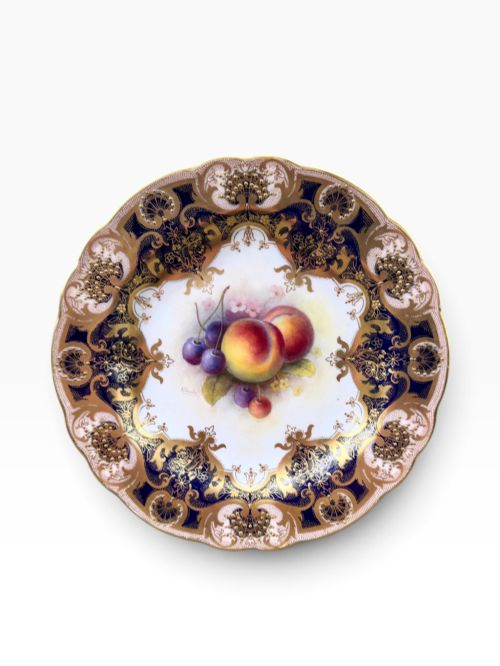
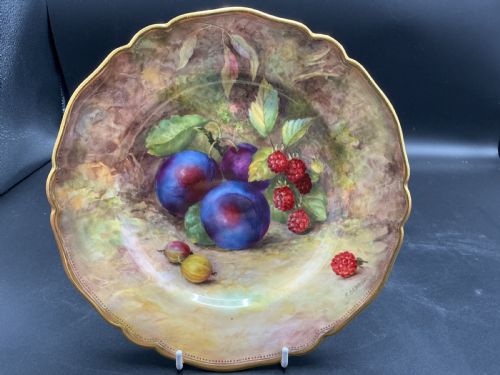
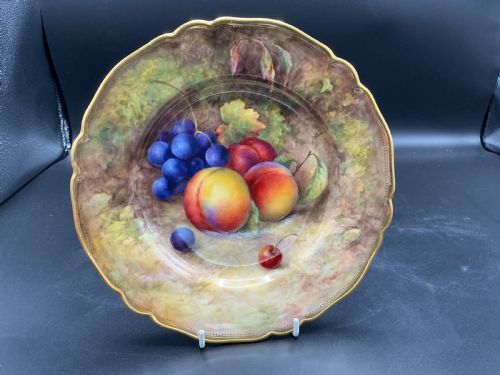
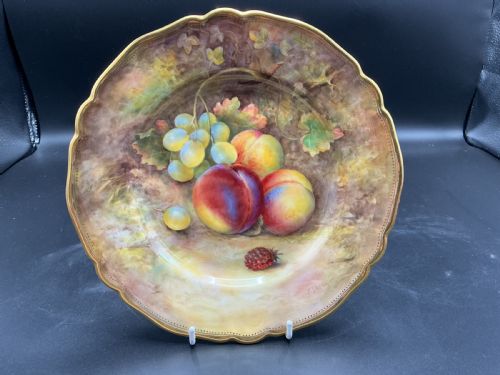
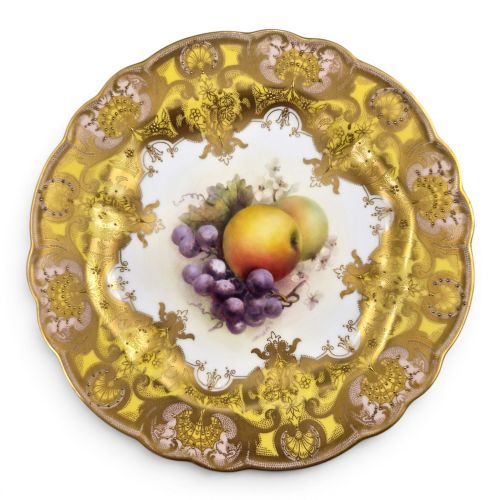
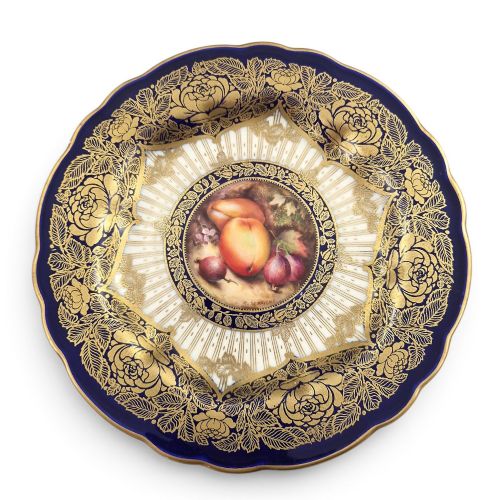
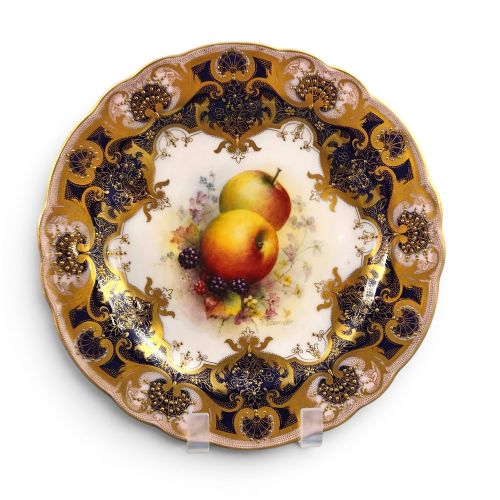
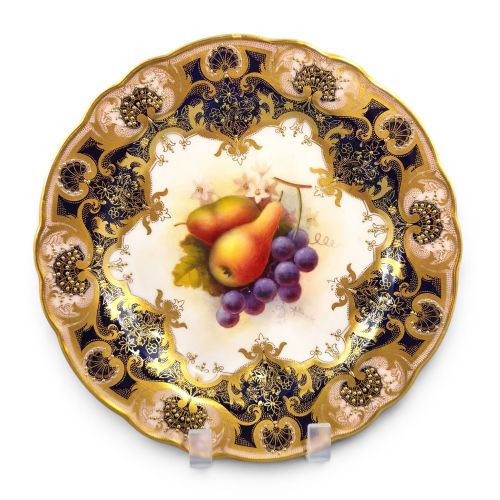
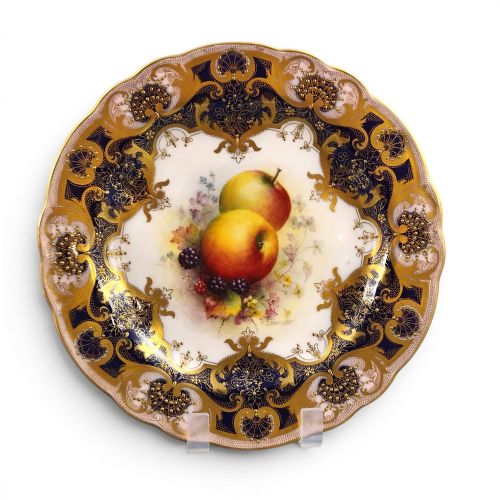
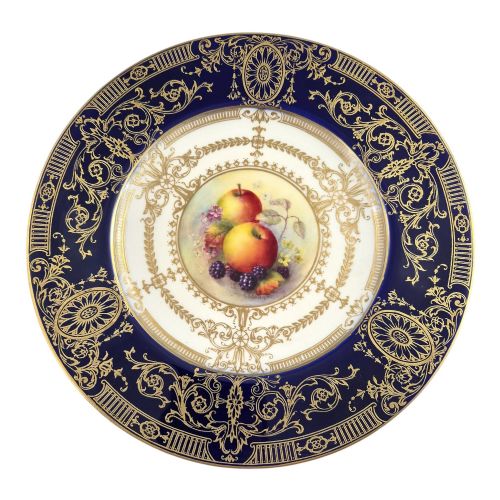
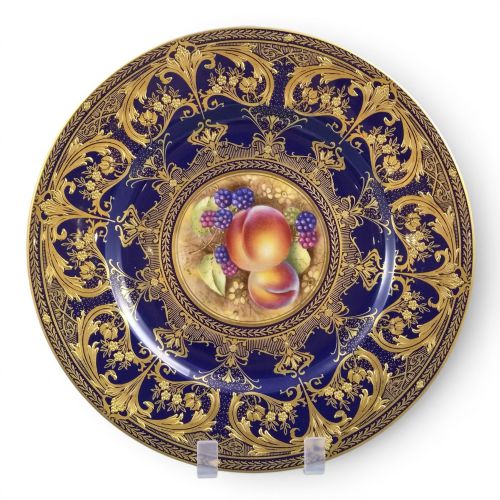
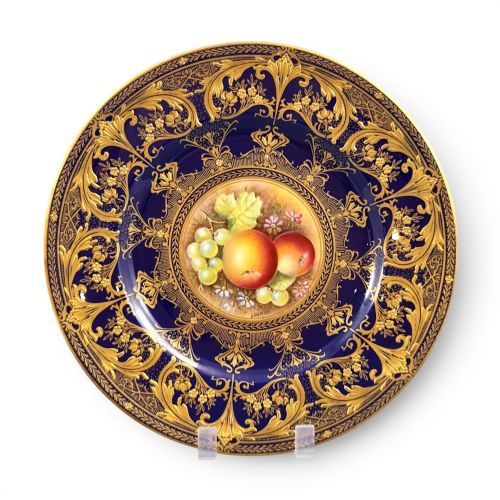
Vintage royal worcester fruit items comprise hand-painted porcelain objects created across the Edwardian period and the decades leading to the nineteen-seventies. Collectors encounter cabinet plates, decorative bowls, coffee cups and saucers, and pot pourri vases bearing detailed fruit studies.
The selections span traditional English porcelain forms, including rope edge plates, cream jugs, dessert dishes, and covered ginger jars. Pieces originate from various decades, showing both early twentieth-century artistry and later mid-century production.
How vintage royal worcester fruit pieces were made
Workers shaped fine porcelain and bone china into plates, vases, and tea wares before applying intricate paint layers. Artists used enamel pigments to render naturalistic fruit studies directly onto the ceramic body.
Makers finished the forms with gold leaf, gilding, and gold gilt applied to edges, handles, and borders. Some items combined painted panels with moulded rope edge details or crown tops.
Listings span the Edwardian period through nineteen-seventy, incorporating porcelain, bone china, gold leaf, and enamel paint.
What varies in quality
Quality depends on the skill and recognition of the individual hand painter whose signature appears on the surface. Works signed by known artists command attention for their detailed brushwork and depth of colour.
The application of heavy gold leaf and elaborate gilding differentiates standard items from more ornate cabinet pieces and covered vases. The complexity of the porcelain form, such as rope edge plates or pot pourri vessels, also shapes the standard of the work.
Albert Shuck·Richard Sebright·Brian Leaman·H Ayrton·Freeman·J Smith·John Smith·William Ricketts·Kitty Blake
The Vintage Royal Worcester Fruit Glossary
- Cabinet plate
- A decorative ceramic plate intended for display rather than dining use. These items frequently showcase elaborate painted fruit scenes.
- Pot pourri vase
- A pierced vessel designed to hold dried scented plant material. These containers often feature covers and painted botanical decorations.
- Bone china
- A type of porcelain containing bone ash, known for its bright white body and strength. It serves as a base for fine painted ceramics.
- Gilding
- The application of gold leaf or gilt to ceramic surfaces. This technique highlights rims, handles, and moulded details.
- Comport
- A raised dish or bowl used for serving fruit or desserts. These elevated pieces sit on a pedestal base.
Vintage Royal Worcester Fruit: Frequently Asked Questions
What are vintage royal worcester fruit pieces?
These items are porcelain and bone china objects decorated with hand-painted fruit studies and gold gilding. They encompass tableware and display items produced across the twentieth century.
Collectors find plates, jugs, bowls, and vases bearing the signatures of studio artists. Each piece reflects traditional English porcelain manufacturing methods.
How do I identify the artist?
Artists typically signed their painted fruit scenes directly onto the front of the porcelain. Names appear in script near the edge of plates or the base of vases.
Signatures match historical records of painters employed at the works. Comparing the handwriting and painting style helps confirm the decorator.
Are these pieces meant for daily use?
Cabinet plates and decorative vessels are generally intended for display rather than everyday dining. Their delicate painted surfaces and gold leaf benefit from careful handling.
Tea sets and cups see occasional service, though many owners preserve them as cabinet pieces. Hand washing protects the enamel paint and gilding from wear.
How do I date vintage pieces?
Dating relies on factory date marks stamped to the underside of the porcelain. These symbols indicate the specific year or decade of manufacture.
Style details also point to periods such as the Edwardian era or the nineteen-thirties. Signed items often align with the active years of specific painters.