

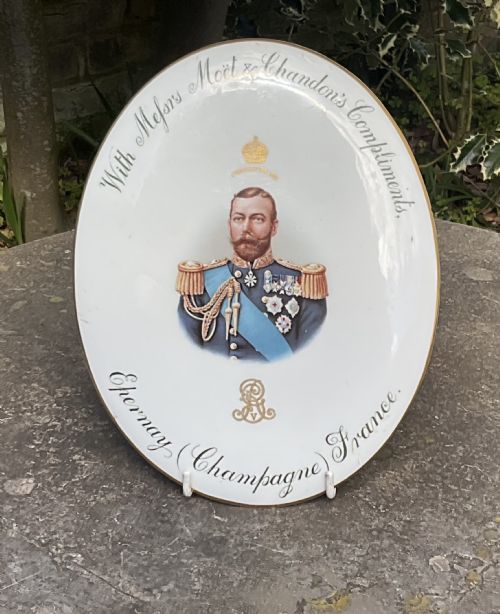


Vintage Royal Plaque
A vintage royal plaque commemorates monarchs, naval vessels and jubilees through porcelain, bronze, oak and cast iron.
Vintage Royal Plaque
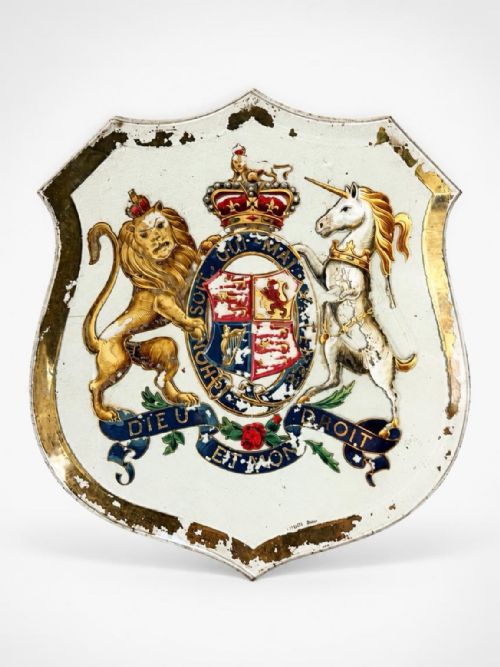
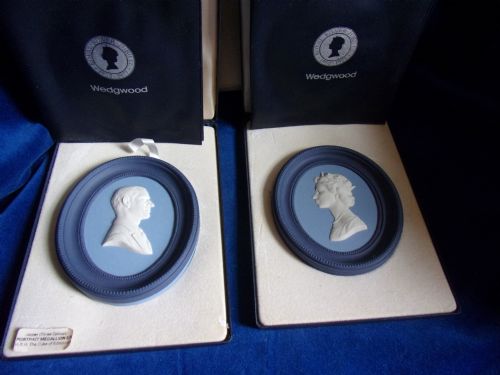
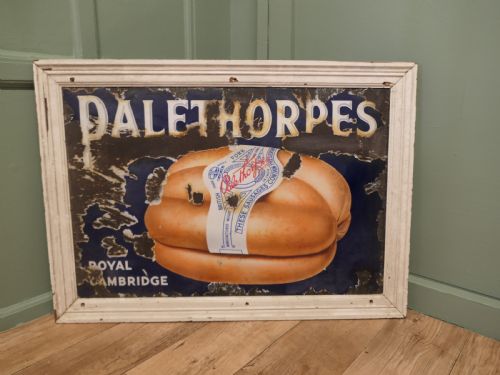
A vintage royal plaque covers a diverse group of commemorative objects including porcelain painted panels, cast iron coats of arms, bronze ship crests and framed oil on canvas royal portraits. These items span periods from the Victorian era and the Edwardian years through to the 1930s.
The version most commonly met on this page is the porcelain plaque or cabinet plate from makers such as Royal Worcester and Royal Vienna, often hand-painted with detailed fruit or figurative scenes. Alongside these, naval badges and commemorative jubilee plaques form a distinct strand of the selection.
The forms range widely, taking in wall plaques, decorative trays, taxidermy mounts and oil paintings housed in stepped oak frames. Each piece links directly to royal commemoration, maritime history or notable personages of the nineteenth and twentieth centuries.
Materials and construction methods
Porcelain and ceramics dominate the finer decorative pieces, painted by hand with subjects like fruit or portraits, sometimes enhanced with gold leaf. These are complemented by cast iron and brass utilised for heavy armorial crests, safe plaques and ships badges.
Vintage Royal Plaque Retail Price Guide 2026
Typical asking prices for vintage royal plaque among the pieces listed under this phrase on Sellingantiques today, from the lower quarter to the upper quarter. They describe what is for sale here now, not the wider market.
Listings feature items from the Victorian period, Edwardian era and 1930s, utilising porcelain, oak, brass, glass, wood, copper and giltwood.
Distinctions in craftsmanship and origin
Quality rests significantly on the provenance and the reputation of the artist or pottery involved, particularly signed porcelain work by established painters like Stinton, Wagner or Sebright. The crispness of the casting in metal plaques and the detail in painted porcelain panels separate standard commemorative items from finer works.
The integrity of the mounting and framing, such as original stepped oak frames with presentation inscriptions, adds to the physical execution of the piece. Materials like solid bronze, gold leaf and fine porcelain carry a greater weight of craftsmanship than mass-produced alternatives.
Royal Worcester·Royal Vienna·Royal Doulton·P Spicer And Sons
The Vintage Royal Plaque Glossary
- Cabinet plate
- A decorative ceramic plate intended for display rather than dining use. These often feature hand-painted scenes and gilt borders.
- Ships badge
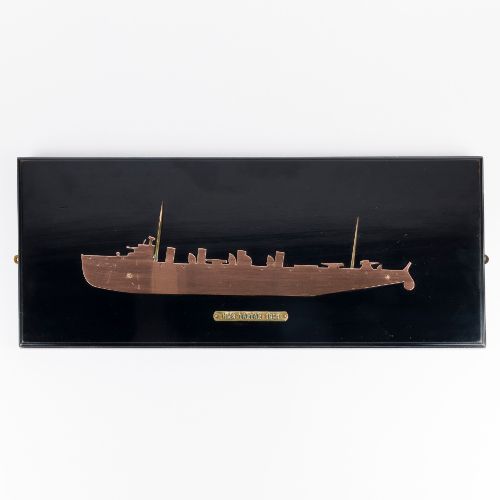
- A carved or cast metal plaque representing a naval vessel, often mounted on wood. These display the crest and name of a specific ship.
- Cast iron
- An iron-carbon alloy poured into a mould to create rigid objects. It appears here in heavy armorial crests and architectural plaques.
- Porcelain
- A ceramic material made by heating raw materials in a kiln, valued for its white body and smooth glaze. It serves as the primary canvas for painted royal plaques.
- Giltwood
- Wood carved and treated with gold leaf or gold paint. This finish frequently borders oil paintings and decorative panels.
Vintage Royal Plaque: Frequently Asked Questions
What is a royal plaque?
A royal plaque is a decorative item commemorating monarchs, jubilees or naval vessels. These objects take forms such as porcelain painted panels, cast iron coats of arms and bronze ship crests.
They serve as historical records of British royalty and maritime heritage, manufactured across the nineteenth and twentieth centuries in materials including brass, porcelain and wood.
How were bronze ship plaques used?
Bronze ship plaques and badges represented specific naval vessels such as destroyers and capital ships. They were cast in heavy metal to display the crest and identity of the vessel.
Crew members or naval establishments often displayed them as symbols of service and affiliation with particular ships in the Royal Navy.
How do I identify Victorian pieces?
Victorian pieces date from the nineteenth century up to 1901, often marked by heavy cast iron construction, elaborate historicism styles or specific safety and jubilee commemorations.
Examining the materials, such as early brass safe plaques or cast iron coats of arms, helps place an item within the Victorian period.
What subjects appear on porcelain plaques?
Porcelain plaques and cabinet plates frequently depict hand-painted fruit, historical portraits and royal subjects. Artists like Stinton and Sebright specialised in detailed naturalistic studies.
Signed works often feature delicate brushwork on a fine ceramic surface, sometimes framed with gold leaf or housed in fitted boxes.
How should I display a heavy cast iron crest?
Heavy cast iron coats of arms and armorial crests require secure wall fixings suited to their substantial weight. Their robust metal construction demands proper anchor points.
Ensuring structural support on the wall preserves both the plaque and its surrounding display space safely over time.