



Vintage Round Tea Table
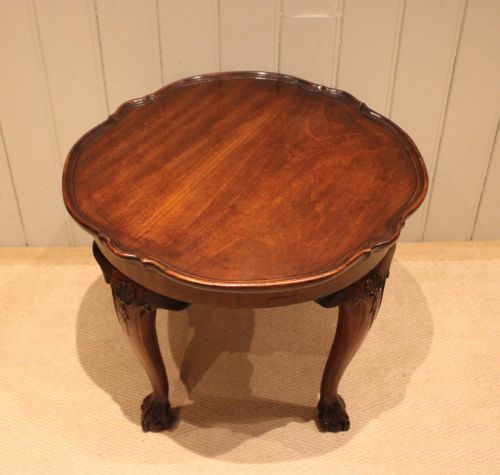
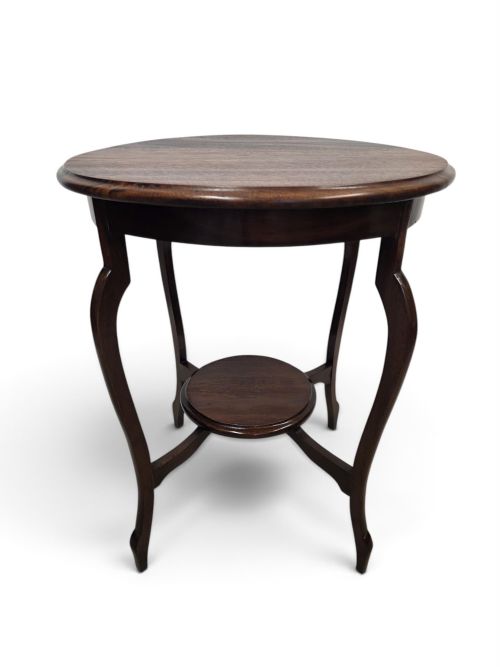
A vintage round tea table brings low surface utility and historic character to a room, spanning Edwardian, Art Deco, and Georgian periods.
Vintage Round Tea Table
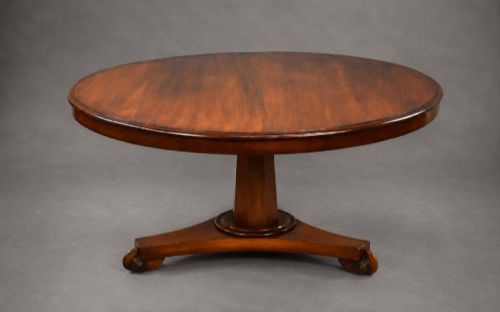
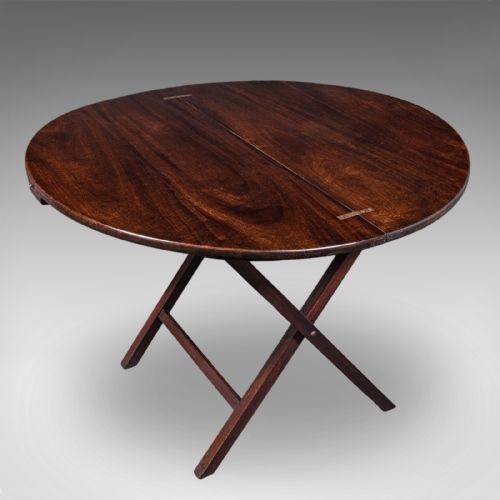
When you search for a vintage round tea table, you encounter compact occasional pieces designed for domestic hospitality and low-level serving. These tables appear frequently as coffee tables, low tables, and tripod tables across multiple eras.
The selections span Georgian and Victorian centuries through to Edwardian pieces and Art Deco designs from the 1920s and 1930s. Walnut, mahogany, and oak form the predominant wood structures found in these listings.
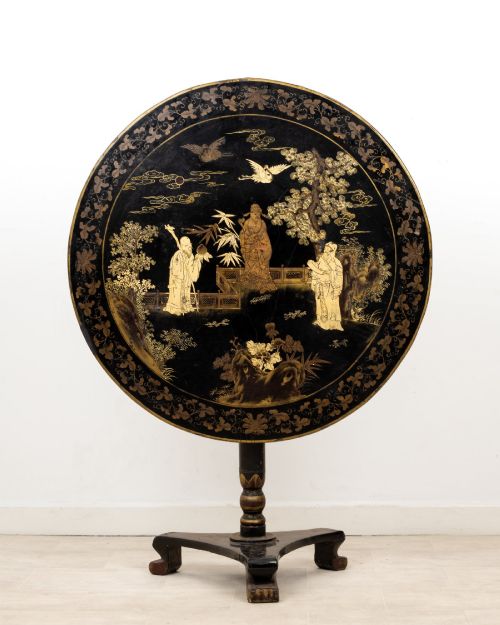
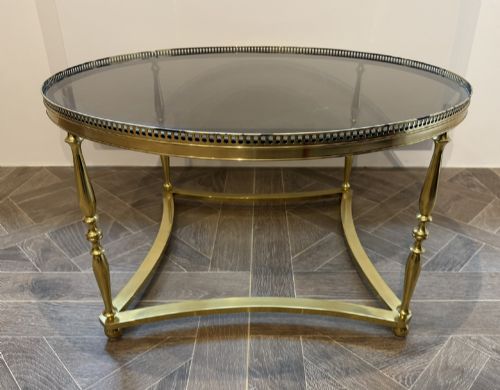
Origin variations include English workshops, French Parisian items, and Chinese or Anglo-Indian imports. Buyers typically find circular formats equipped with pedestals, tilt tops, or tier arrangements.
How they were made
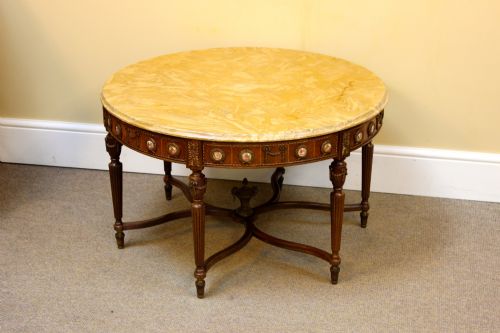
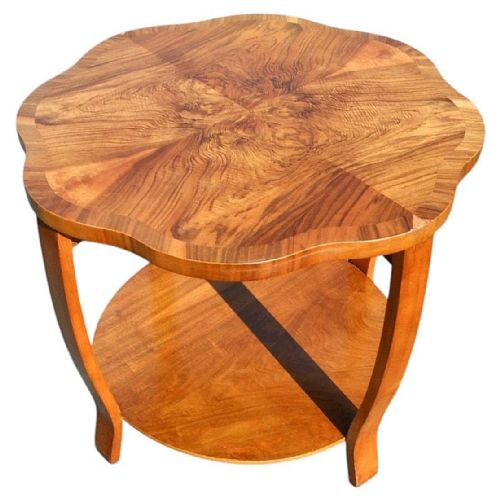
Cabinetmakers utilised solid timbers such as mahogany, oak, and rosewood alongside decorative veneers including burr walnut and figured walnut. Tops frequently incorporate marquetry, mother-of-pearl inlay, or inset marble slabs.
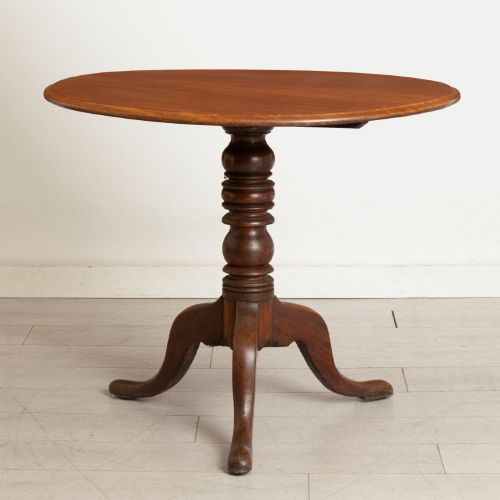
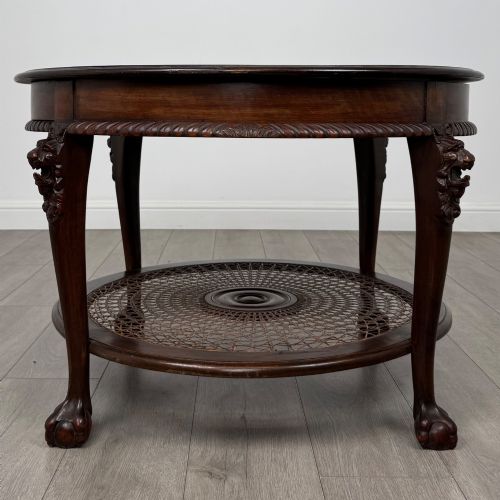
Construction techniques involve tripod bases, pedestal columns, and tilt-top mechanisms that allow surfaces to fold vertically. Brass mounts, ormolu, and carved wooden details finish the structural forms.
Current listings feature circular tea tables spanning Georgian, Victorian, Edwardian, and Art Deco periods, constructed in walnut, mahogany, oak, and rosewood.
What varies in quality
The grade of timber selection and veneer patterning establishes the visual appeal of each piece, particularly with figured and burr walnut surfaces. Figured grain matching across circular tops demonstrates superior craftsmanship.
Execution of decorative elements such as hand-carving, marquetry inlay, orormolu mounts, and marble fitting distinguishes standard production items from finer workshop pieces.
The Vintage Round Tea Table Glossary
- Tripod table
- A small freestanding table supported by a pillar on three legs. These often feature tilt mechanisms to store against walls when not in use.
- Pie crust table
- A table featuring a raised, carved edge shaped in undulating curves resembling pastry work. This decorative moulding appears on circular walnut and mahogany surfaces.
- Tilt top
- A hinged tabletop mechanism that pivots to a vertical position. It allows the furniture to save space in smaller sitting rooms.
- Marquetry
- Decorative veneer patterns formed from thin pieces of wood and other materials fitted into geometric or pictorial designs. It decorates high-grade table surfaces.
- Ormolu
- Gilt bronze mounts applied to furniture for decorative accent. Parisian pieces frequently utilise these cast metal ornaments.
Vintage Round Tea Table: Frequently Asked Questions
How do I style a round tea table?
Position the piece centrally before low seating to serve drinks or hold decorative objects. Its circular footprint softens rigid room layouts.
Combine the wood tone with surrounding seating heights to maintain balanced proportions in the interior.
What is a tilt top table used for?
Historical examples used the tilting mechanism to clear floor space between serving tea or dining hours. The table rested flat during use and stood upright against a wall otherwise.
Modern interiors utilise this feature primarily for display or spatial flexibility.
How do I identify an Art Deco tea table?
Art Deco models from the 1920s and 1930s exhibit streamlined geometric forms and highly figured veneers like burr walnut or blonde oak. They frequently drop ornamental carving in favour of clean circular silhouettes.
Two-tier structures and minimalist pedestal bases also signal this period.
Are marble topped tables original?
Inset marble slabs appear on various Edwardian and continental tables designed for moisture resistance during tea service. These stone surfaces integrate directly into the wooden frame.
Checking the interior support reveals whether the heavy stone rests securely within the original rebate.