
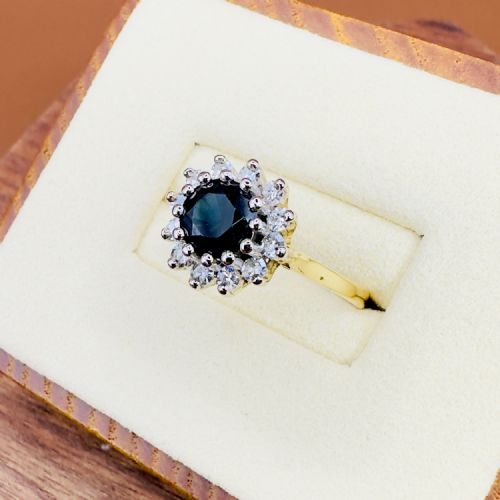
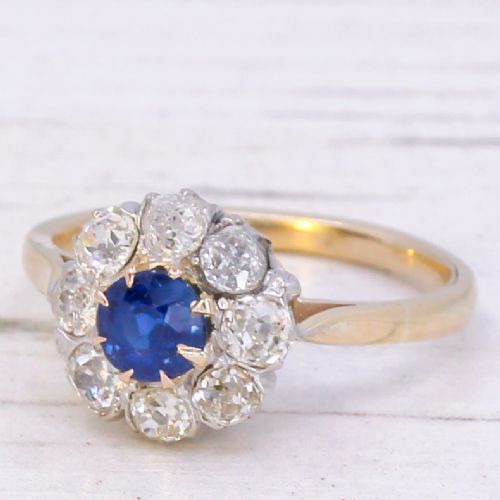
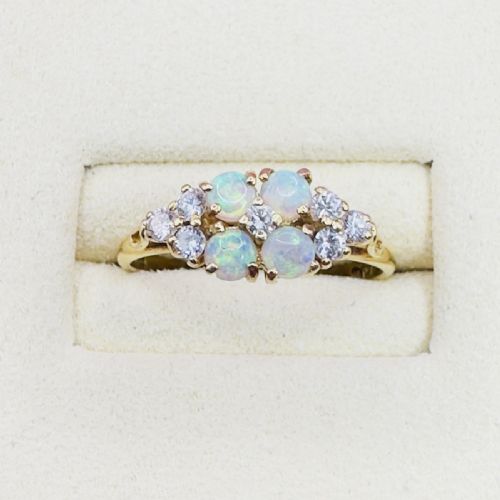

Vintage Round Diamond Ring
A vintage round diamond ring combines circular central stones with precious mountings from the Edwardian era through the mid-twentieth century.
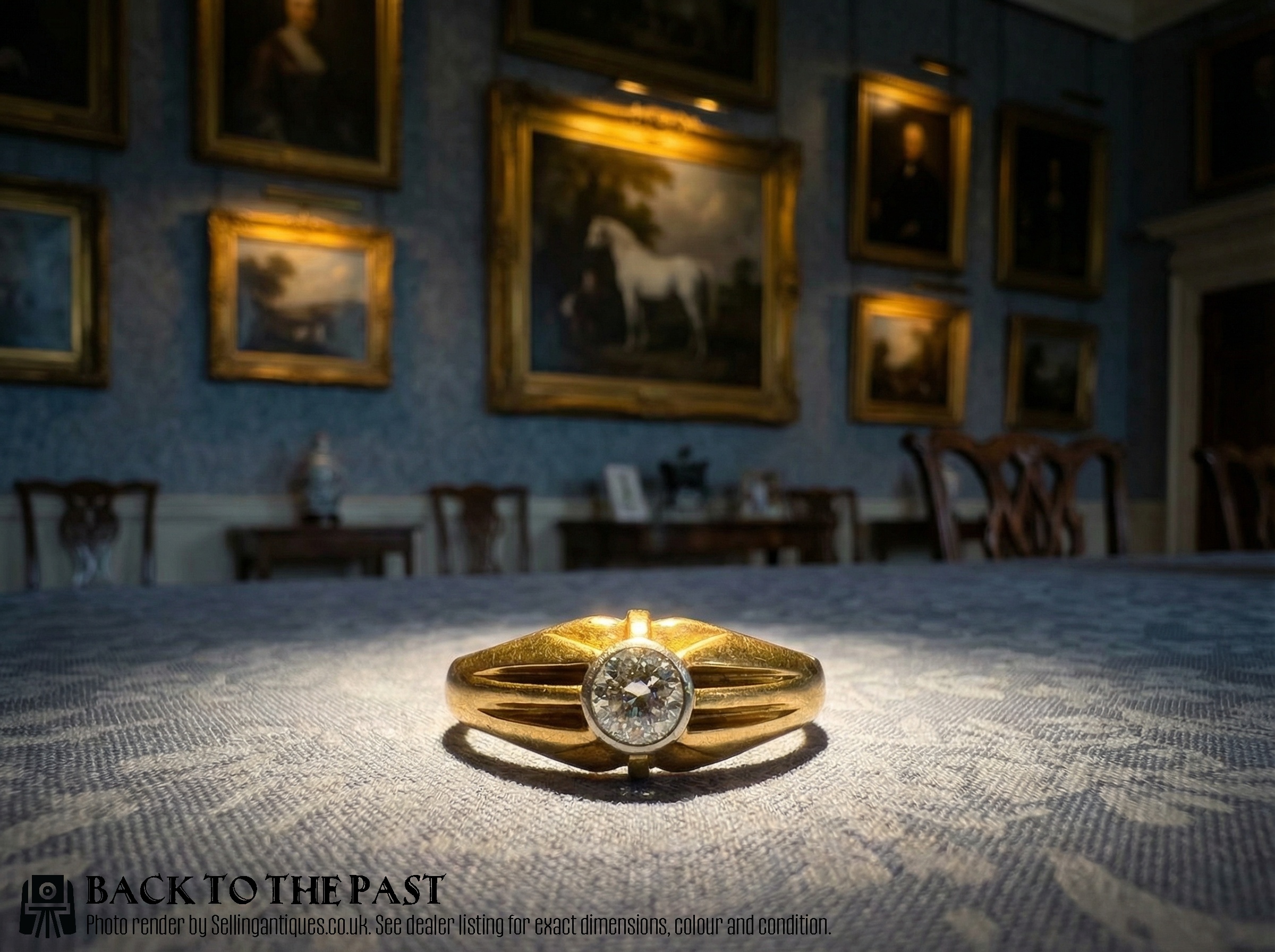
Vintage Round Diamond Ring
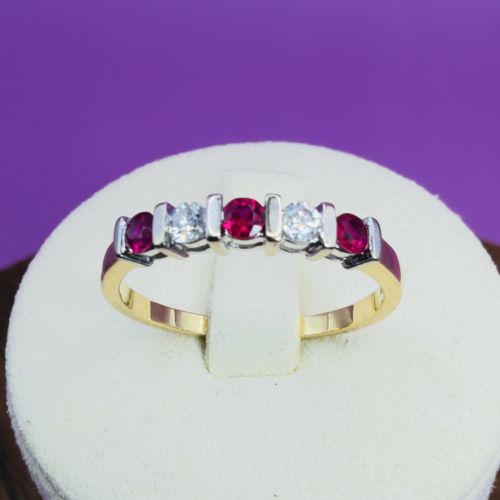
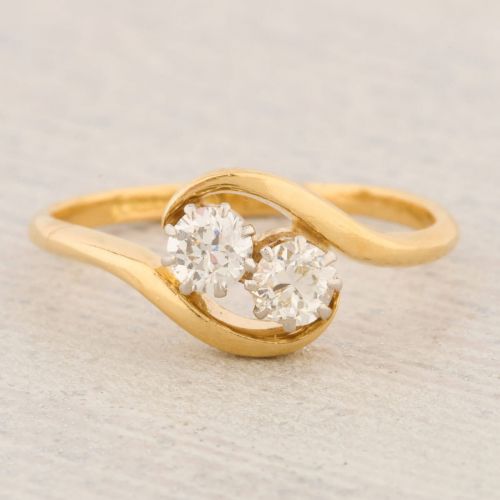
A vintage round diamond ring encompasses several distinct historical formats, ranging from simple solitaire engagement mountings to elaborate multi-stone clusters and band configurations. The selections span the Edwardian period, the 1920s and 1930s Art Deco movement, and the post-war designs of the 1950s and 1960s.
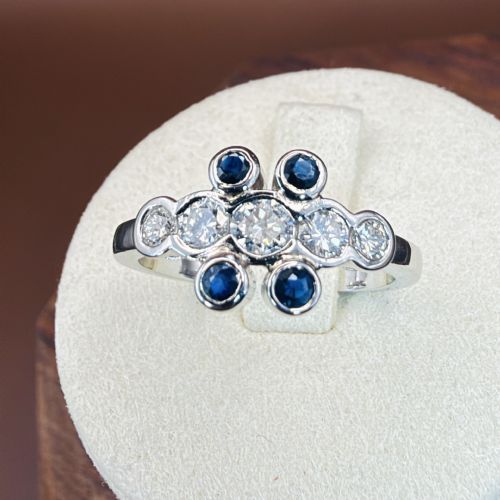
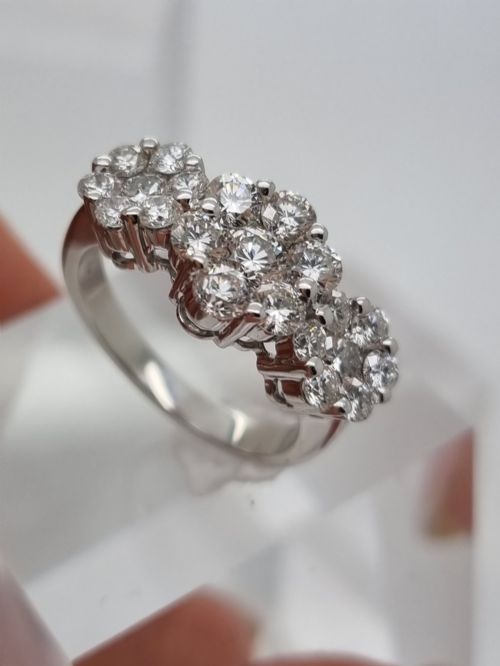
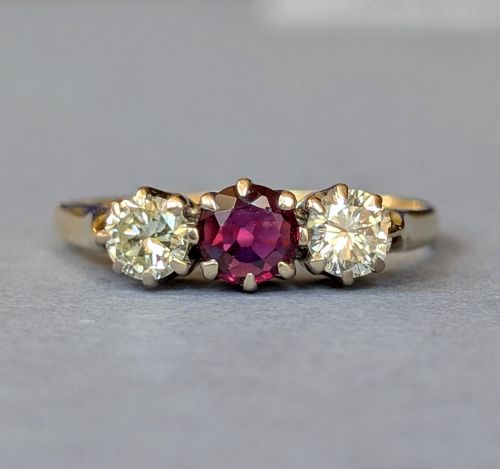
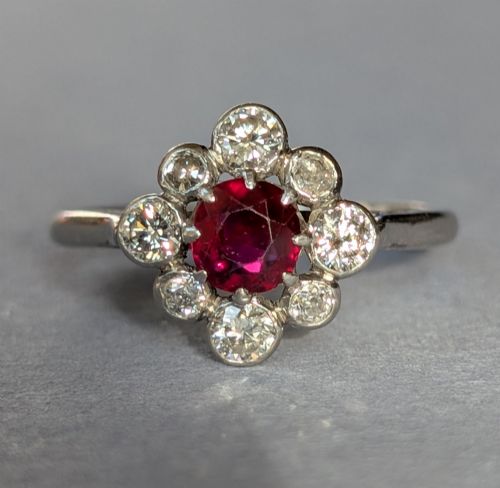
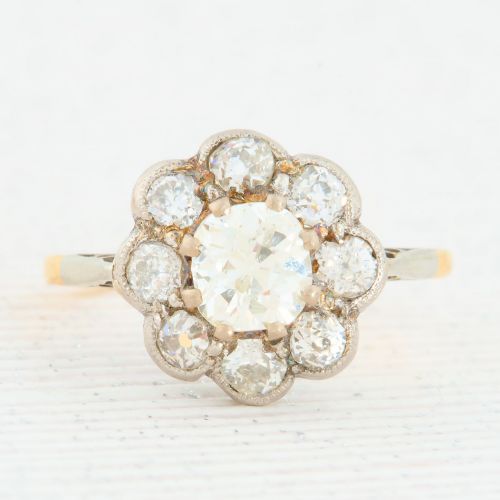
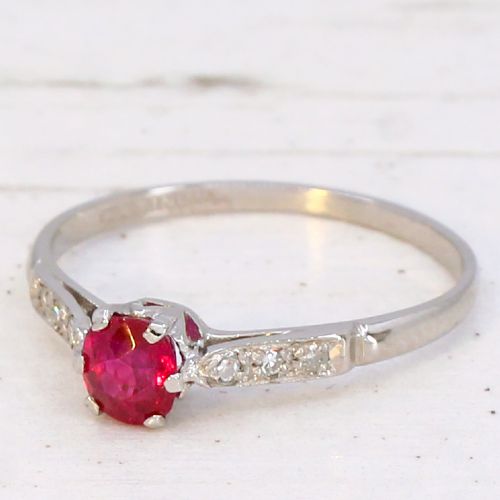
Solitaire and cluster designs dominate the available forms, often incorporating contrasting coloured gemstones such as sapphires, rubies, and opals alongside the central round diamonds. These pieces reflect the prevailing aesthetic shifts of their respective decades, moving from intricate platinum work to substantial gold settings.
Materials and Construction
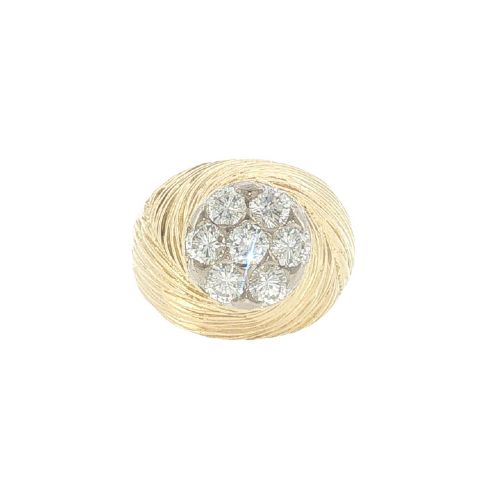
Metals used in these rings include platinum, 18ct yellow gold, 18ct white gold, and occasional gold variations, providing sturdy infrastructure for stone settings. Platinum gained favour during the Art Deco period for its strength in delicate wirework, while yellow and white gold remained popular across mid-century designs.
The diamond cutting styles vary by period, displaying old mine cuts, transitional cuts, and brilliant cuts that dictate how light interacts with the stone. Gemstones are secured using claw settings, channel work, and cluster arrangements designed to maximise visual impact.
Listings feature platinum and 18ct gold mountings combined with diamonds, sapphires, and rubies across multiple decades.
Evaluating the Pieces
Quality differences emerge in the weight, cut consistency, and purity of the central diamonds and accompanying coloured stones. Superior examples demonstrate careful matching of stone sizes and colours within cluster and multi-stone settings.
The execution of the metalwork, whether fine platinum gallery wire or substantial gold band construction, determines the structural integrity and finish of the piece. Signed pieces by established makers often command additional distinction through documented provenance.
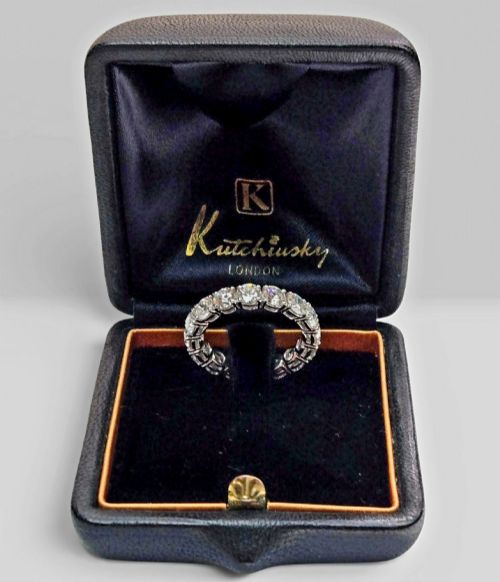
Kutchinsky
The Vintage Round Diamond Ring Glossary
- Solitaire
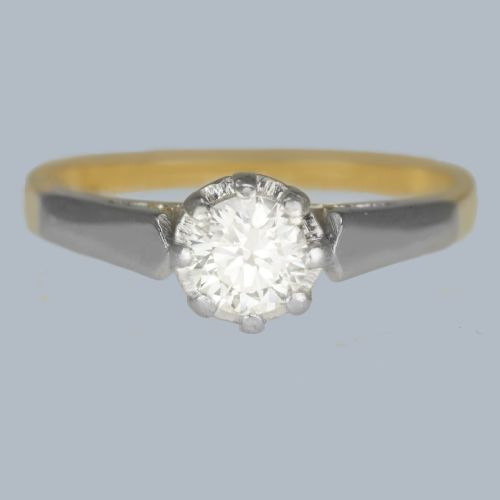
- A ring featuring a single mounting stone, typically a diamond centred on the band. This setting focuses attention entirely on the optical properties of the primary gem.
- Cluster
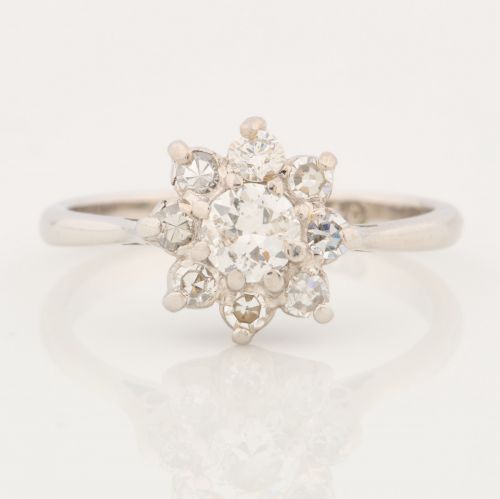
- An arrangement where a central stone is encircled by a ring of smaller gems. This configuration creates a larger visual presence on the hand.
- Platinum
- A dense, durable white metal utilised extensively in mid-century and Art Deco ring mountings. Its strength allows for secure, delicate prongs holding fragile stones.
- Trilogy
- A three-stone ring design representing past, present, and future. The stones are typically graduated in size or matched evenly across the top of the band.
Vintage Round Diamond Ring: Frequently Asked Questions
What periods do these rings come from?
The inventory spans the Edwardian era, the Art Deco period of the 1920s and 1930s, and mid-century decades up to 1960 and beyond.
Each period brings distinct metal choices and stone-cutting techniques that define the visual character of the jewellery.
How do I identify an old cut diamond?
Old cut diamonds feature smaller tables, higher crowns, and larger culets visible at the base of the stone.
These characteristics distinguish them from modern brilliant cuts shaped by automated precision methods.
What is a cluster ring?
A cluster ring places a central gemstone, such as a diamond or sapphire, surrounded by a tight border of smaller stones.
This layout enhances the overall sparkle and presence of the ring on the finger.
Are these rings suitable for daily wear?
Most of these rings are constructed from durable metals like platinum and 18ct gold, making them suitable for regular use.
However, delicate antique settings and softer accent stones like opals require mindful care during heavy physical activities.