




Diamond Toi Et Moi
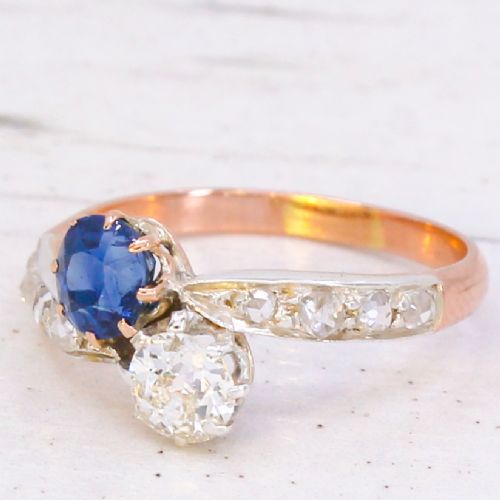
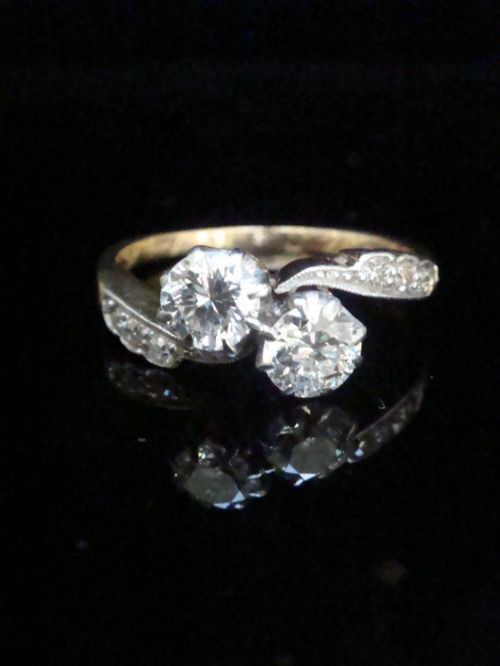
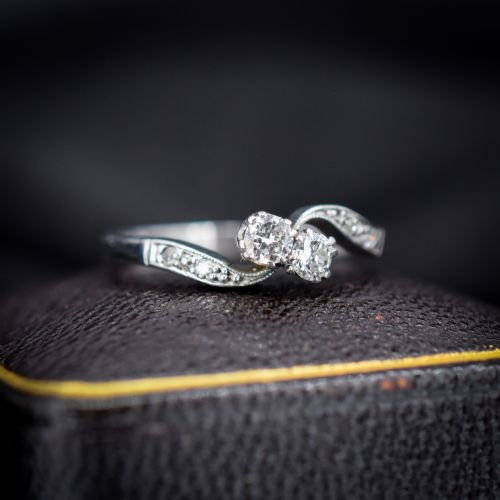
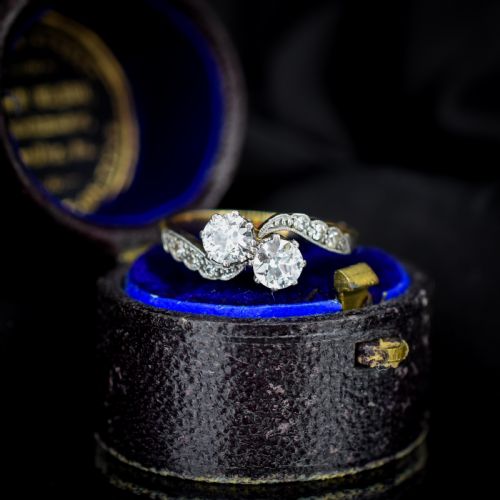
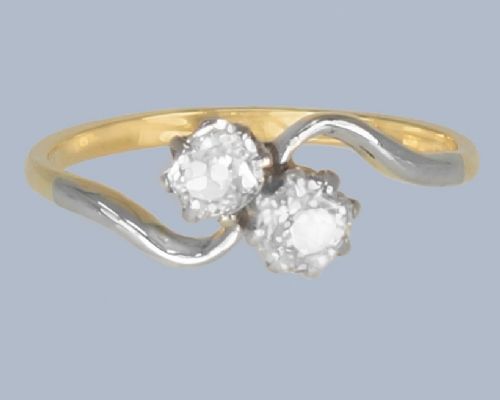
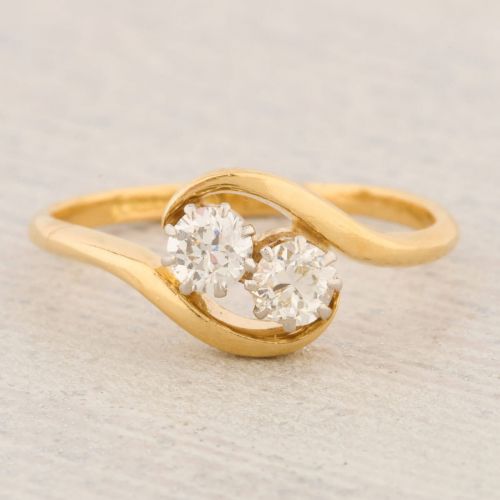
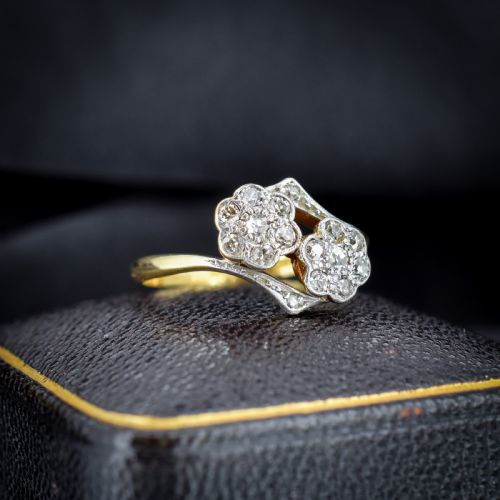
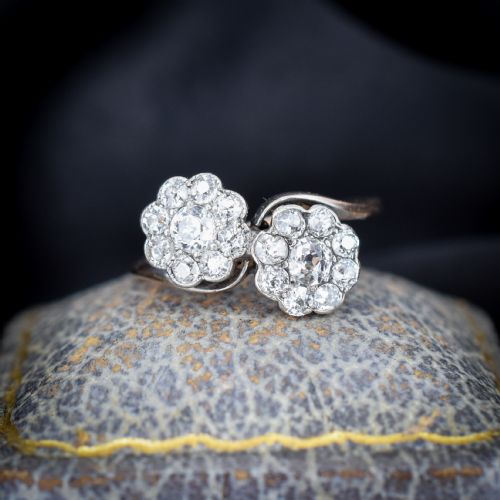
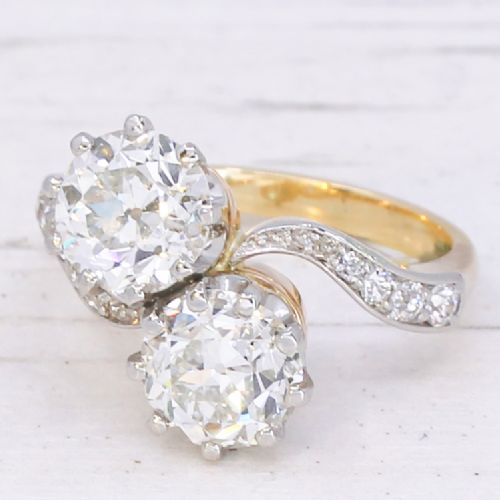
A diamond toi et moi ring brings two opposing gems into a close twist, symbolising two lives joining as one.
Diamond Toi Et Moi
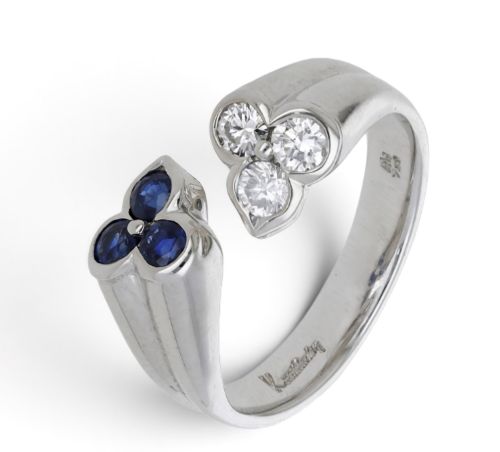
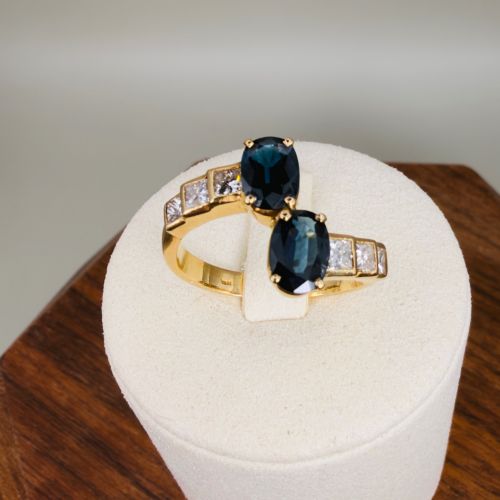
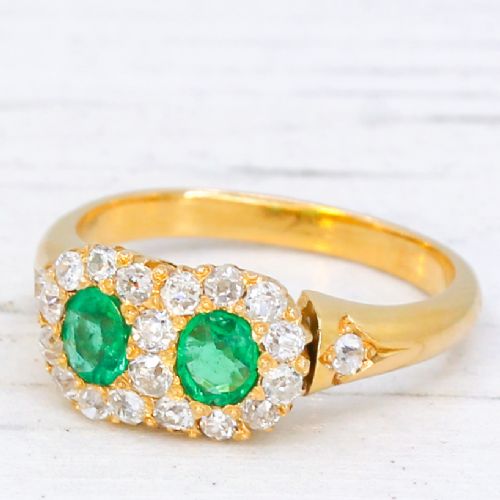
When you search for a diamond toi et moi, you are looking at rings featuring two main stones set side by side in a crossover or twist design.
The selections span Edwardian, Victorian, Art Deco, and mid-century periods, alongside vintage and late twentieth-century examples.
You will most frequently meet Edwardian pieces combining old cut diamonds with natural pearls, sapphires, or rubies in platinum-topped yellow gold.
Materials and Construction
Goldsmiths utilised eighteen-carat yellow and white gold paired with platinum settings to securely hold the stones while keeping the metalwork delicate.
Stones are predominantly shaped in old European, old mine, or transitional cuts, reflecting the hand-faceted techniques of the nineteenth and early twentieth centuries.
Several pieces feature tiny star-like millegrain beads so small they look like frost dusted across the platinum.
Assessing the Pieces
The harmony of the two central gems defines the success of the design, particularly how well their proportions and colours balance each other in the twist.
The crispness of the platinum claw or bezel work against the softer tone of the gold shank shows the standard of the benchwork.
The Diamond Toi Et Moi Glossary
- Toi et Moi
- French for you and me, denoting a ring design featuring two principal stones representing two people.
- Crossover
- A ring band that sweeps over itself to bring two gems into a touching arrangement.
- Old Cut
- A historic diamond cutting style with a small table, high crown, and open culet, shaped by hand before modern machinery.
- Bypass
- A ring shank where the ends pass each other without joining, similar to a crossover.
- Belle Epoque
- A period of fine, garland-style jewellery design spanning the late nineteenth and early twentieth centuries.
Diamond Toi Et Moi: Frequently Asked Questions
How do I care for antique rings?
Antique rings require gentle handling, particularly Edwardian pieces set with pearls or softer gemstones. Remove rings before heavy physical tasks or swimming.
Store each piece separately in a fabric-lined box to prevent stones from scratching one another. Have the settings checked periodically by a professional jeweller to ensure the claws remain secure.
How do I identify an Edwardian ring?
Edwardian rings often feature platinum-topped yellow gold settings, allowing white metal around the stones and warm gold along the band. Look for delicate openwork and millegrain detailing.
Stones from this era are typically old mine or old cut diamonds, frequently accented with natural pearls, sapphires, or emeralds. The overall aesthetic is light, airy, and romantic.
What is the difference between old cut and modern cuts?
Old cut diamonds are shaped and faceted by hand rather than by precision machinery. They feature smaller tables, higher crowns, and larger culets at the base.
These historic cuts produce a softer, candlelight sparkle compared to the brilliant flash of modern diamonds. Each old cut stone displays unique proportions reflecting the hand of the cutter.