

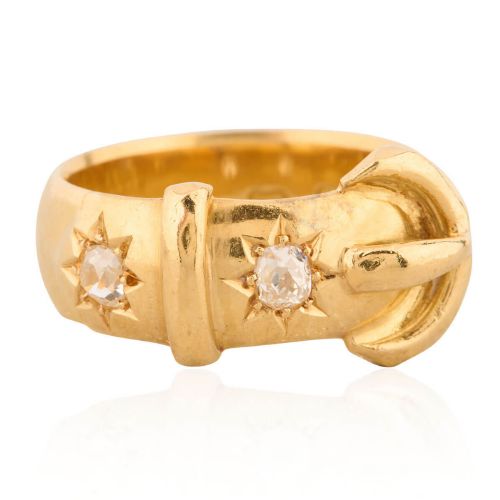


Antique Diamond Star Ring
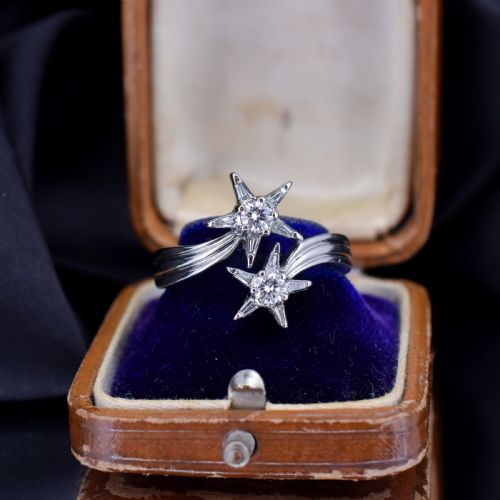
An antique diamond star ring captures the romance of the heavens through celestial motifs crafted across the Victorian, Edwardian, and Art Deco eras.
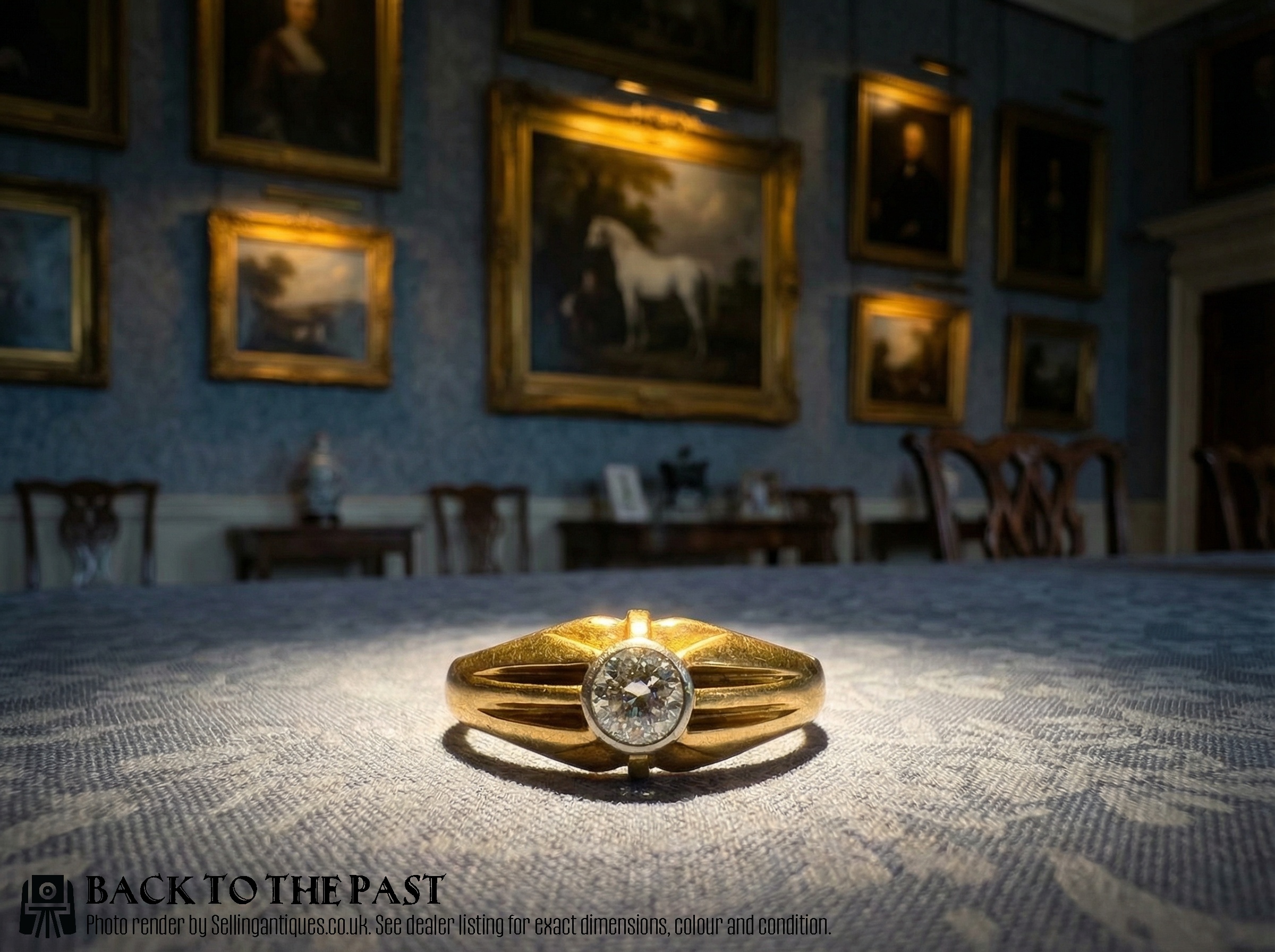
Antique Diamond Star Ring
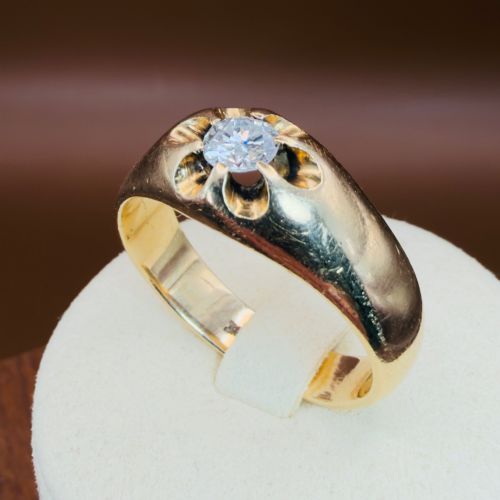
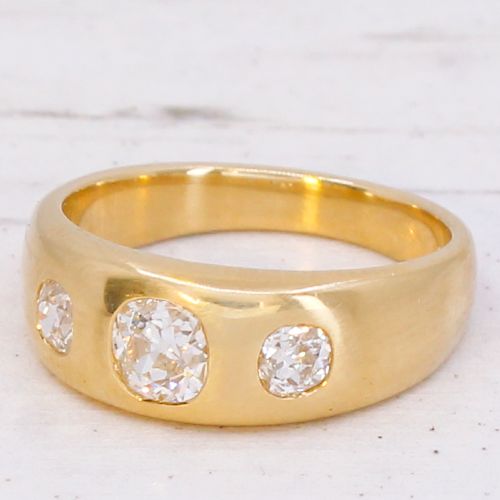
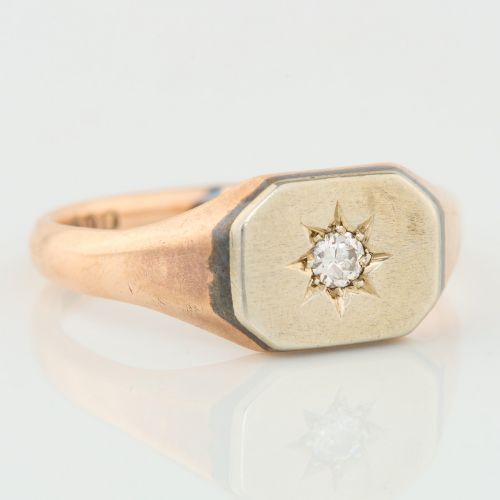
When you search for an antique diamond star ring, you encounter pieces designed to evoke celestial bodies, frequently taking the form of gypsy bands, starburst clusters, or flush-set celestial motifs. The examples you meet on this page span the Georgian, Victorian, Edwardian, and Art Deco periods, incorporating enduring designs that celebrate the night sky.
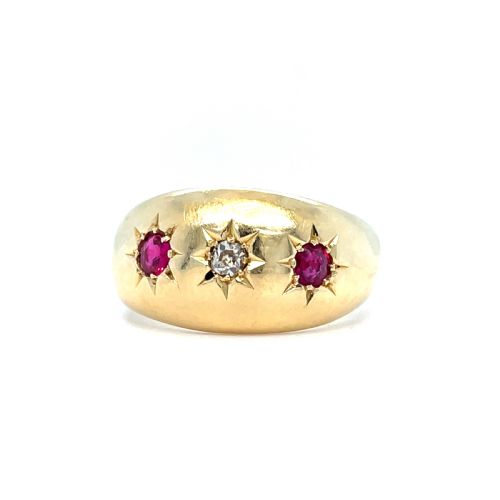
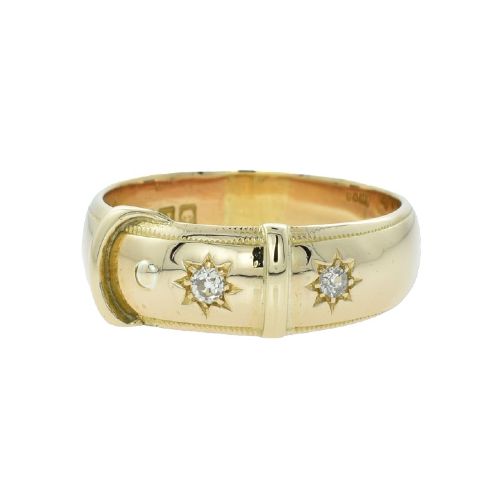
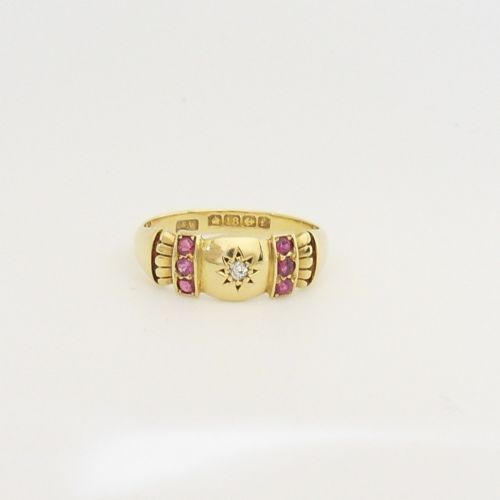
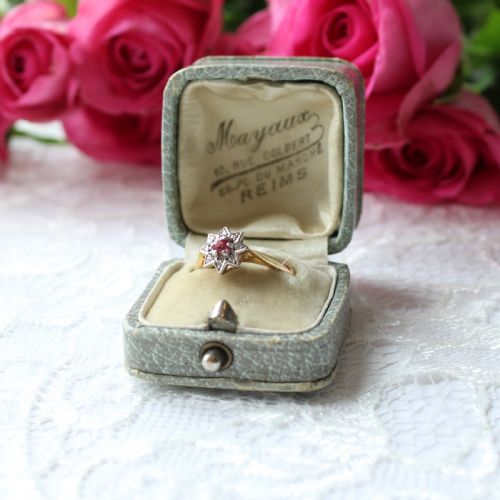
Many of these rings integrate diamonds alongside coloured stones such as rubies, sapphires, garnets, and pearls, often set flush into heavy gold bands or elevated within platinum and palladium star settings. The physical forms range from delicate multi-stone bands and boat rings to robust signet and buckle styles intended for everyday wear.
Materials and Construction Techniques
The metals utilised in these pieces primarily consist of 9ct and 18ct yellow gold, alongside platinum and palladium platings that appeared in later decades to accentuate white diamond sparkle. Jewelers relied on hand-forged and cast yellow gold bands, engraving intricate starburst facets directly into the metal surface.
Gems were secured using traditional techniques including gypsy setting, where stones sit flush with the band, and illusion settings that made smaller diamonds appear substantial. Old cut and rose cut diamonds dominate these pieces, reflecting the hand-faceted diamond-cutting methods of the nineteenth and early twentieth centuries.
Victorian makers occasionally tucked tiny rose cut diamonds inside enamelled pocket watches for fingers, ensuring the wearer could gaze at stars indoors.
Distinctions in Quality and Craftsmanship
The distinction between standard commercial pieces and exceptional examples rests upon the precision of the hand-engraved starburst rays and the integrity of the flush or star settings. Superior pieces display crisp, deep chasing around the diamond centre that has not been worn down by decades of resizing or polishing.
The selection of secondary materials also dictates tier, with finer rings pairing old cut diamonds with unheated natural sapphires, vibrant rubies, or rich blue enamel. Heavier gold weights and clear hallmarks from assay offices like Chester or Birmingham signal superior domestic British manufacturing standards of the period.
S Blanckensee & Son Ltd
The Antique Diamond Star Ring Glossary
- Gypsy ring
- A style of ring where the stones are flush-set into a thick, tapered band, popular during the Victorian and Edwardian eras. This technique protected the girdle of the stone within the metal.
- Old cut
- A precursor to the modern brilliant cut diamond, characterised by a smaller table, higher crown, and a noticeable open culet at the base. These stones were hand-faceted to catch candlelight.
- Rose cut
- A vintage diamond cut featuring a flat base and a domed crown faceted with triangular planes resembling an unopened rosebud. They possess a soft, glassy luminescence rather than modern brilliance.
- Illusion setting
- A metal head designed around a diamond to refract light and make the stone appear larger than its actual carat weight. This technique was frequently utilised in Art Deco and Victorian designs.
- Trilogy ring
- A three-stone ring traditionally symbolising the past, present, and future, often combining diamonds with rubies or sapphires in star settings. These configurations balance central feature stones with graduating side gems.
Antique Diamond Star Ring: Frequently Asked Questions
What periods do these rings originate from?
The pieces span the Georgian, Victorian, Edwardian, and Art Deco periods, alongside mid-century examples from the 1930s through to the 1960s.
Victorian and Edwardian versions form the majority of the collection, reflecting the heavy demand for celestial and gypsy-set motifs during the late nineteenth and early twentieth centuries.
How were star motifs incorporated into the rings?
Goldsmiths engraved multi-pointed starburst patterns directly into the gold band surrounding the diamond, or constructed raised platinum star settings upon gold shanks.
Enamel work and contrasting gemstones like rubies or sapphires were frequently added to enhance the celestial illusion of the night sky.
Are these rings suitable for daily wear?
Many styles, particularly gypsy bands and flush-set star designs, were originally built for robust everyday use with low profiles that resist catching on clothing.
However, delicate antique pieces featuring pearls, soft enamel, or open-backed settings require careful handling and should be removed during strenuous manual tasks.
How can I tell the difference between Victorian and Art Deco pieces?
Victorian examples typically showcase warm 18ct or 9ct yellow gold with hand-chased starbursts, gypsy settings, and occasionally blue enamel or mourning elements.
Art Deco rings lean towards white metals like platinum and palladium, geometric lines, and illusion settings that maximise the visual impact of old cut diamonds.