

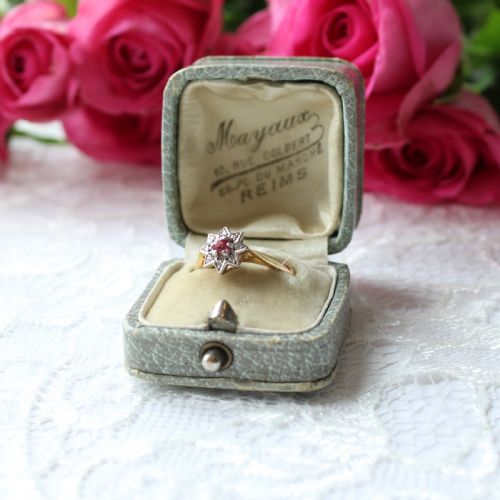
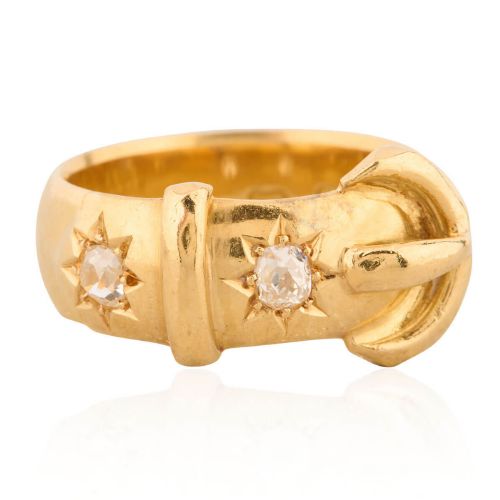


Antique Gold Star Ring
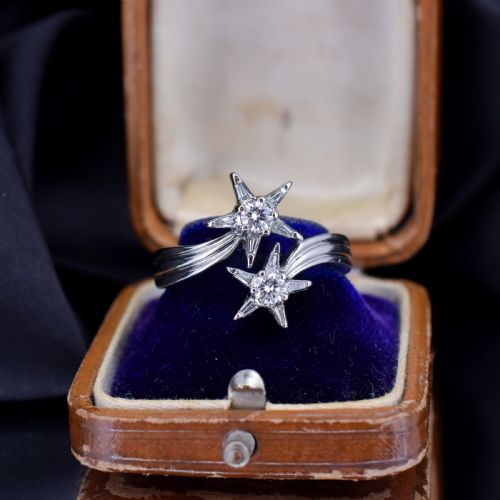
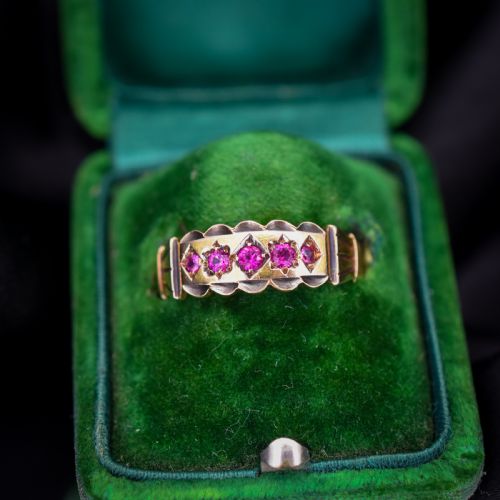
An antique gold star ring brings celestial motifs to the hand, combining warm metal with diamonds or coloured stones set in distinct starry patterns.
Antique Gold Star Ring
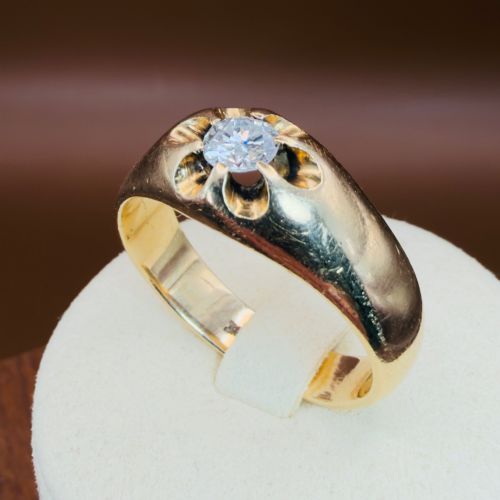
An antique gold star ring spans several decades of craftsmanship, appearing most frequently in Victorian and Edwardian variations where celestial motifs feature prominently.
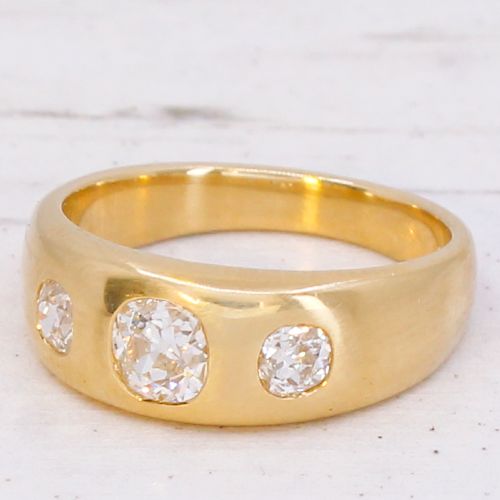
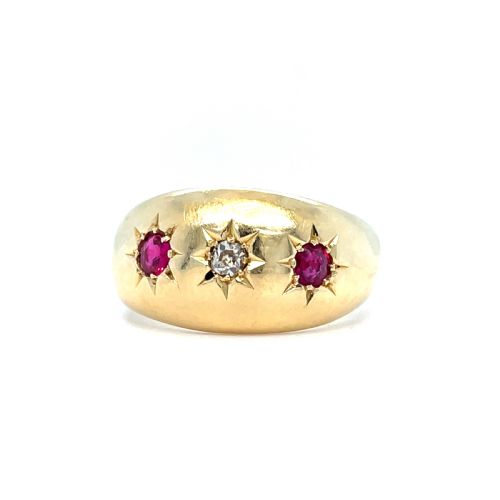
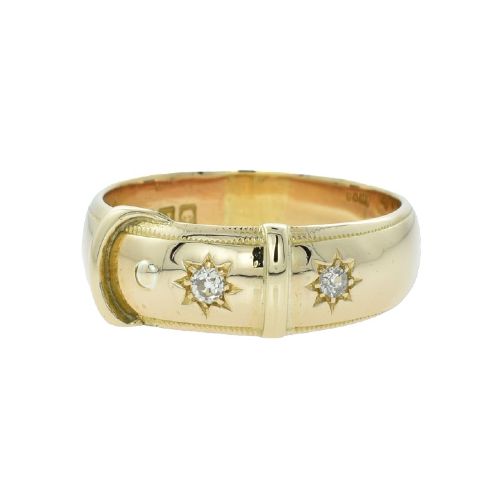
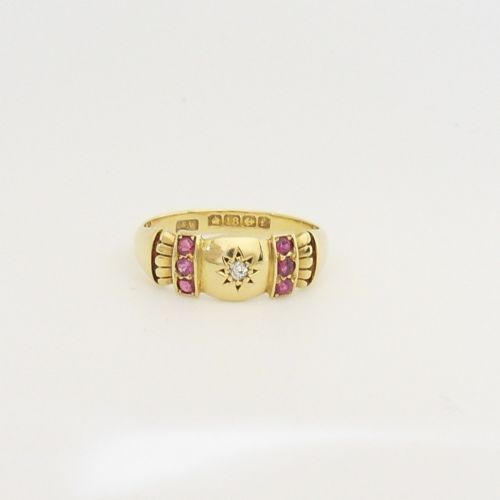
Makers utilised various forms, including gypsy settings, cluster designs, and buckle bands, often incorporating diamonds, rubies, sapphires, or pearls.
The aesthetic ranges from Georgian sentimental pieces to mid-century creations, reflecting shifting tastes in jewellery design.
Materials and construction
Goldsmiths worked with 9ct, 15ct, 18ct, and occasionally higher purities of yellow gold, shaping bands to house flush or star-burst settings.
Gemstones such as old cut diamonds, cabochon garnets, and sapphires were secured within the metal, sometimes complemented by blue enamel or seed pearls.
Several rings feature hidden blue enamel interiors that mimic the night sky beneath the gemstone.
Distinctions in quality
The standard of an antique gold star ring depends on the precision of the hand-engraved star facets and the security of the flush or star-burst stone settings.
Depth of gold weight, clarity of hallmarks, and the match of natural gemstones contribute to the overall integrity of the piece.
S Blanckensee & Son Ltd
The Antique Gold Star Ring Glossary
- Gypsy ring
- A style of ring where the gemstones are flush-set into a thick, tapered band, popular during the late nineteenth century. The metal surrounds the stone securely.
- Old cut diamond
- A hand-faceted diamond cut before modern machinery, typically possessing a smaller table and larger culet. These stones catch candlelight warmly.
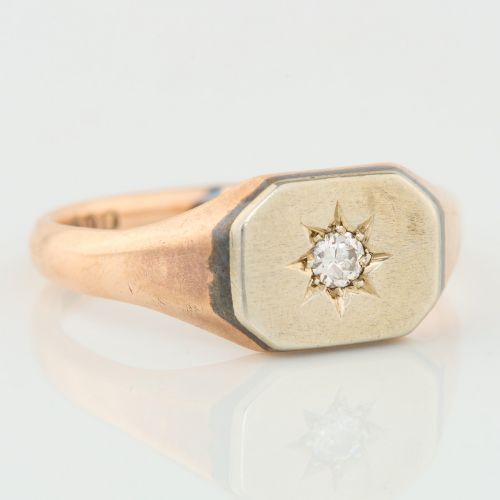
- Star set
- A technique where small triangular facets are hand-engraved into the metal around a stone to resemble a starburst. It creates the optical illusion of a larger diamond.
- Mourning ring
- A piece worn in memory of the deceased, frequently featuring enamel, pearls, or hair compartments. These items carry deep sentimental historical value.
Antique Gold Star Ring: Frequently Asked Questions
What periods do these rings come from?
The pieces span the Georgian, Victorian, Edwardian, and Art Deco eras, extending into mid-century twentieth-century designs.
Victorian and Edwardian examples appear most frequently in the current selection, showcasing distinct mounting styles.
How were stones set into star rings?
Goldsmiths typically used flush settings or gypsy mountings, hammering the gold tightly around the girdle of the diamond or gemstone.
Engravers then chased star-shaped rays into the surrounding metal surface to frame the stone.
What metals are used in these rings?
Yellow gold predominates across the selection, graded in 9ct, 15ct, and 18ct purities depending on the manufacturing decade.
Some later or alternative pieces incorporate palladium or white gold alloys alongside traditional yellow bands.
Can I wear a star ring daily?
Flush-set star designs offer high durability for everyday wear because the stones sit level with the gold surface.
Care should be taken with antique pieces containing softer gems like pearls or enamel to preserve their condition.