
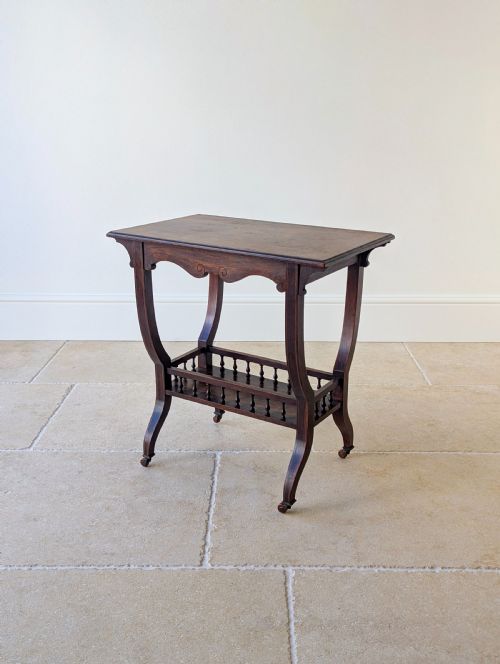


Vintage Rosewood Tea Table
A vintage rosewood tea table brings deep grain and intricate carving into a room, serving as a striking focal point for daily use.
Vintage Rosewood Tea Table
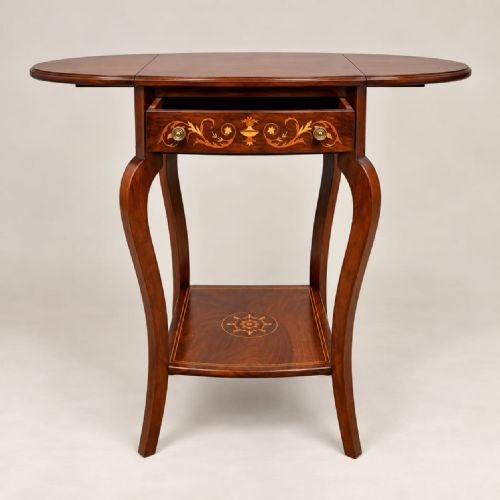
A vintage rosewood tea table encompasses a wide range of imported and domestic forms, from Victorian drop-leaf and card tables to low coffee tables and intricate occasional pieces. The selection spans the nineteenth century through the early decades of the twentieth, reflecting various global influences and cabinet-making traditions.
Origin points vary widely, covering British periods like William IV and Edwardian alongside regional workshops in India, China, and France. Each piece offers a distinct physical footprint shaped by its original cultural context and period of manufacture.
Materials and Techniques
Construction relies heavily on dense rosewood and related hardwoods, often augmented by secondary timbers, brass, satinwood, and boxwood. Artisans shaped these materials using traditional joinery and turning methods suited to each regional workshop.
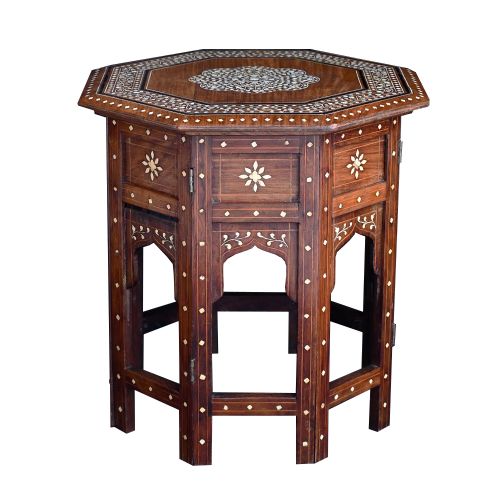
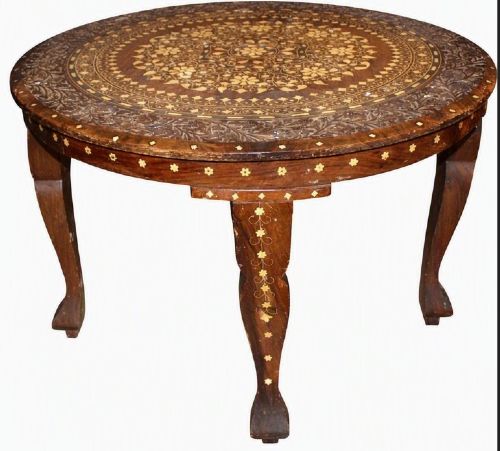
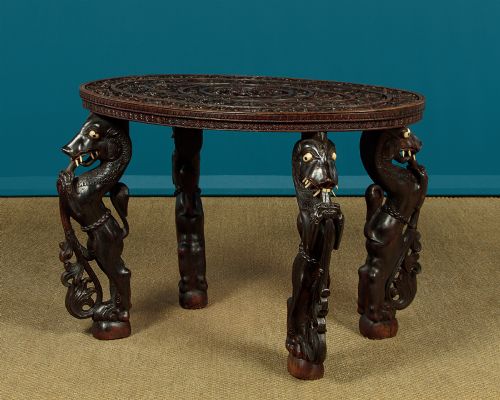
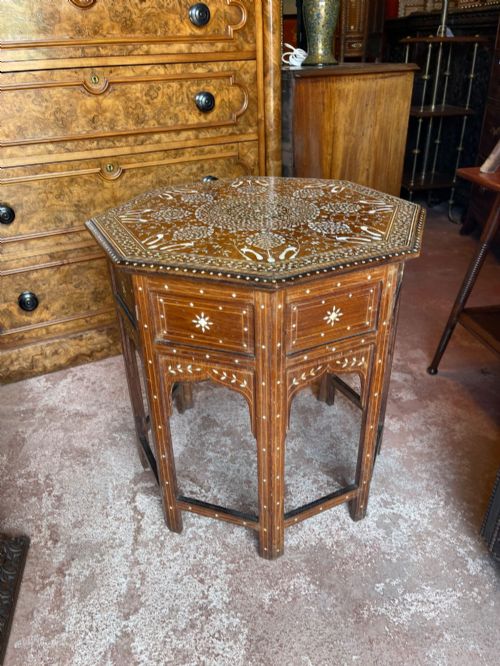
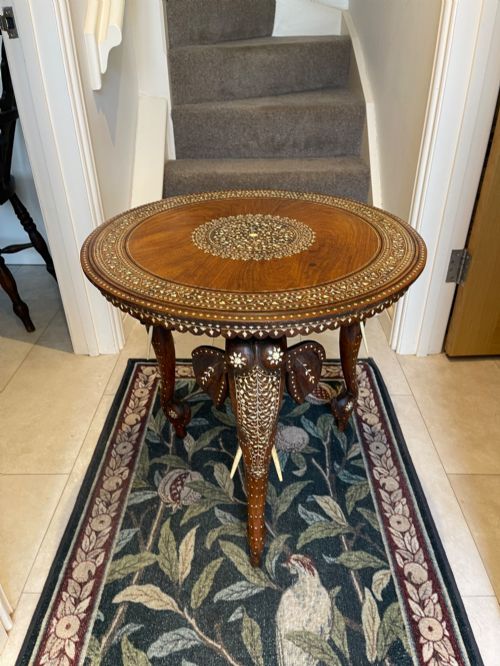
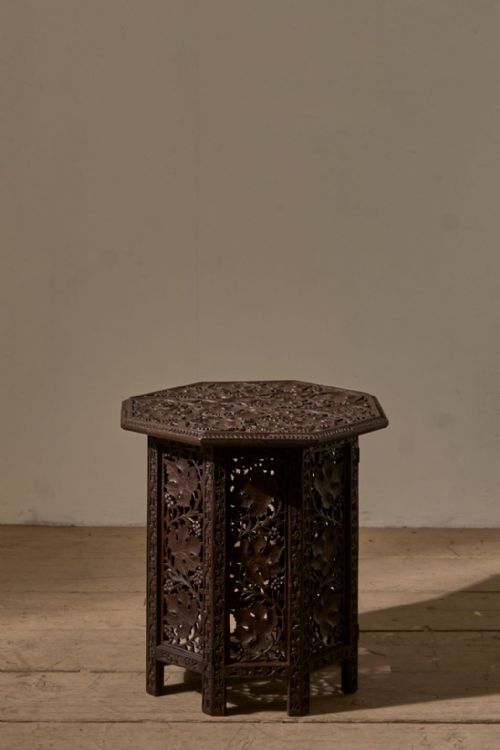
Surface decoration defines many examples on this page, employing bone inlay, mother-of-pearl, and elaborate hand carving. These techniques demand precise handwork to embed contrasting materials smoothly into the dark timber grain or to execute deep relief motifs such as leaves and figures.
Several tables feature carved elephant motifs marching around their rims, bringing an unexpected safari element into the Victorian parlour.
Craftsmanship and Integrity
The standard of a vintage rosewood tea table depends on the crispness of its hand carving and the precision of its inlaid details. Finer examples maintain tight joints and securely seated decorative elements across centuries of use.
Condition of the timber grain and the integrity of the structural frame separate standard production from superior pieces. Original surfaces that retain their depth without modern chemical interference command greater appreciation from collectors.
Liberty & Co
The Vintage Rosewood Tea Table Glossary
- Rosewood
- A dense, heavily figured timber prized for its deep reddish-brown colour and dark grain patterns. It takes a high polish and forms the primary material for many formal and regional tables.
- Opium Table
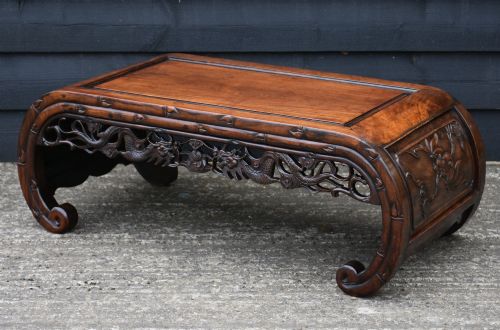
- A low surface traditionally used in East Asia for serving tea or smoking, characterised by short legs and sturdy hardwood construction. These often feature subtle panel tops or carved apron details.
- Inlay
- A decorative technique where contrasting materials such as bone, brass, or lighter woods are set flush into recesses cut into the timber surface. It creates geometric patterns or pictorial motifs.
- Occasional Table
- A small, moveable piece designed for specific, intermittent tasks in a principal room. The category includes coffee, lamp, and side tables.
- Drop-leaf Table
- A table with hinged flaps on either side that fold down to save space or lift up to extend the surface area. Supported by swinging legs or brackets, these items demonstrate flexible nineteenth-century design.
Vintage Rosewood Tea Table: Frequently Asked Questions
How were these tables used originally?
These tables served practical domestic roles ranging from serving tea and holding lamps to displaying decorative objects or playing card games. Lower variations accommodated seating arrangements near the floor, while larger centre tables anchored formal rooms.
Over time, their functions shifted with interior fashions, turning dining and service furniture into decorative centrepieces for reception spaces and studies.
How do I care for rosewood surfaces?
Maintaining rosewood requires keeping the timber away from direct heat sources and strong sunlight, which can dry out the natural oils in the grain. Dust regularly with a dry, soft cloth and avoid commercial silicone polishes.
Occasional application of appropriate wax feeds the wood and helps preserve the natural lustre of the finish without building up a sticky residue.
Can I use an antique table daily?
Most sturdy occasional and coffee tables handle everyday domestic tasks quite well, provided owners use coasters and mats to protect the timber surface from moisture and heat. Regular use contributes to the ongoing history of the piece.
Fragile items with extensive bone inlay or delicate folding mechanisms benefit from gentler placement away from heavy household traffic.
How do I distinguish regional styles?
Regional variations show up clearly in the decorative motifs and construction methods used by the makers. Anglo-Indian pieces frequently display deep foliate carving and intricate bone or brass inlay on octagonal or circular frames.
Chinese forms tend to feature cleaner architectural lines, low profiles, and hardwood construction with dragon or simple linear details. Edwardian and Victorian British tables often follow revival styles with turned pedestals or drop leaves.