


Oriental Rosewood Low Table
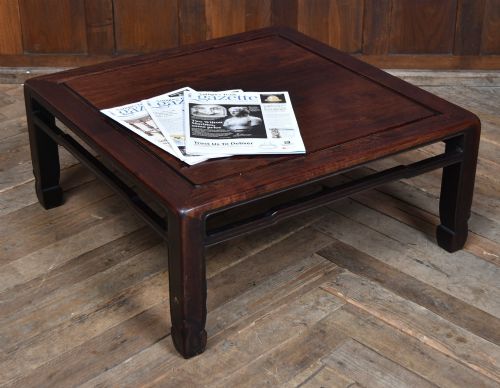
An oriental rosewood low table is a substantial timber platform designed for seating near the floor, bringing tactile warmth and historic craftsmanship to a modern room.
Oriental Rosewood Low Table
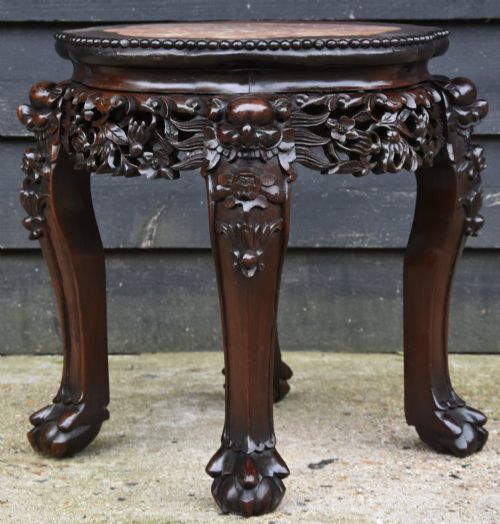
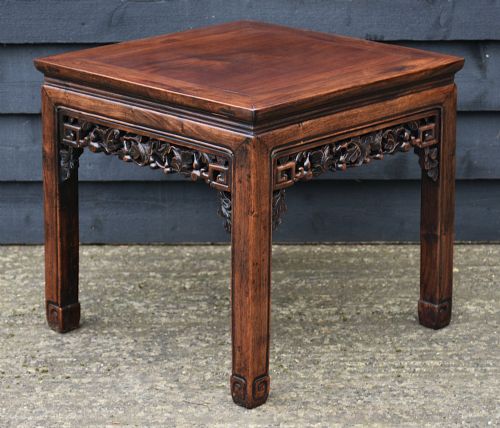
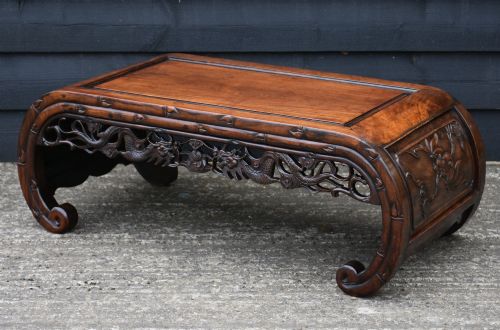
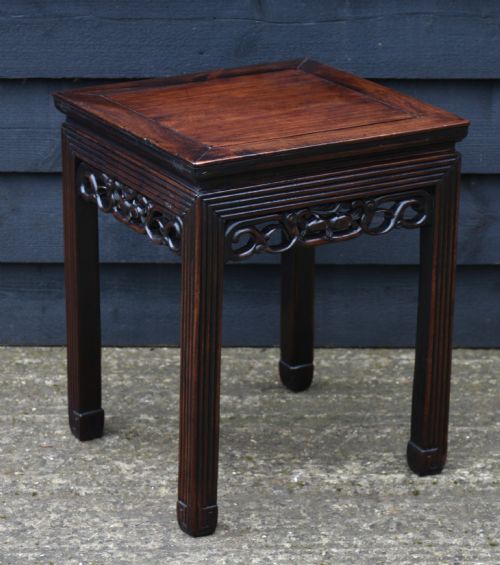
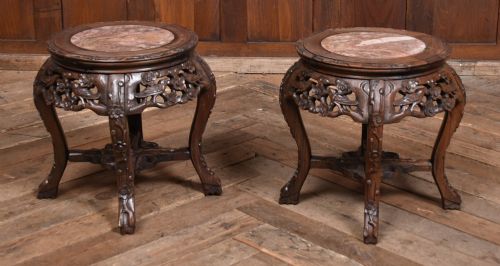
An oriental rosewood low table spans several practical forms, functioning as a traditional kang table, a low coffee table, or a compact plant stand. The pieces gathered under this phrase reflect centuries of Asian joinery tradition, predominantly originating from the nineteenth century and the early decades of the twentieth century.
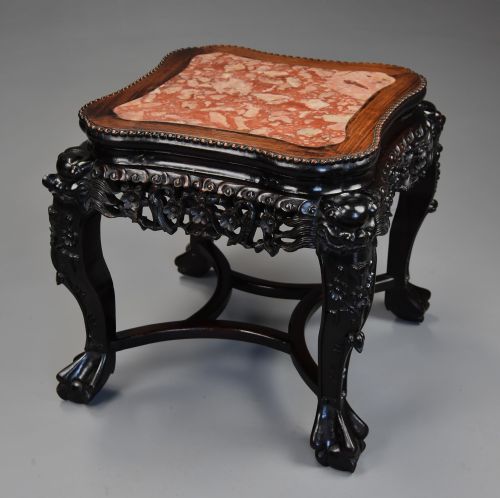
Makers shaped these low tables in various formats, including square, rectangular, circular, and barrel shapes, alongside scroll-end designs. Buyers frequently encounter surfaces inset with marble or porcelain panels, alongside carved timber details featuring dragons or traditional motifs.
Materials and Construction Techniques
Workshops utilised dense timbers such as rosewood, padouk, hongmu, and huanghuali to construct sturdy frames capable of withstanding heavy daily use. Artisans employed traditional joinery methods that relied on interlocking timber joints rather than modern metal fasteners.
Selected examples incorporate contrasting inserts of marble or porcelain directly into the timber frame, requiring precise joinery to secure the stone or ceramic panels within the wooden surround.
Listings feature nineteen-century dates alongside items from 1880, 1890, 1900, 1910, and 1920.
Distinguishing Quality in Construction and Material
The standard of carving distinguishes exceptional examples from simpler utilitarian pieces, with deeply undercut details and well-defined motifs demonstrating superior workshop skill. The choice of timber grain also dictates quality, as highly figured rosewood and dense hongmu command greater appreciation than generic Asian hardwoods.
Structural integrity relies on the precision of the underlying joinery and the stability of inset elements like marble or porcelain. Tables retaining their original surface patination and tight, movement-free construction represent the upper tier of surviving examples.
The Oriental Rosewood Low Table Glossary
- Kang table
- A low platform table traditionally used on a heated brick bed in northern China for dining, writing, or resting. These pieces sit close to the floor and often feature rolled scroll ends.
- Hongmu
- A translation meaning red wood, used in Chinese furniture making to describe dense, heavy tropical hardwoods of deep reddish-brown or purple hues. It encompasses several durable timber species.
- Padouk
- A sturdy tropical hardwood displaying vibrant reddish-orange tones when freshly cut, which gradually oxidises to a deep brown over time. It provides exceptional stability for furniture frames.
- Huanghuali
- A prized yellow-rosewood timber known for its intricate grain patterns and subtle fragrance, frequently utilised in elite scholar's furniture from earlier dynasties.
- Scroll-end
- A decorative terminal feature where the ends of the table top curve outward or inward in a tight roll, typical of traditional kang tables.
Oriental Rosewood Low Table: Frequently Asked Questions
How were low tables used historically?
These tables served various domestic functions in traditional interiors, positioned close to floor-level seating areas for serving tea, displaying scholarly objects, or supporting small lamps and burners.
Occupants used them during daily leisure activities, resting items upon them while seated on cushions or low platforms within the home.
How do I style a low table today?
Position an oriental low table in front of a modern sofa to create a grounded focal point that contrasts with standard furniture heights. The low profile works well for layering books, ceramics, or botanical arrangements without obstructing sightlines across a room.
Keep the surrounding space uncluttered to let the timber grain and carved details remain the visual centrepiece of the interior scheme.
How do I identify a nineteenth-century piece?
Examine the timber surface for natural oxidation, wear patterns, and a deep patina that develops through decades of handling and polishing. Nineteenth-century examples typically display traditional joinery techniques and dense hardwood construction without modern mechanical fasteners.
Look for stylistic markers associated with the Qing period, such as scroll ends or carved dragon motifs executed by traditional workshops.
What is the difference between a kang table and a coffee table?
A kang table originates from the specific architectural tradition of low platform heating beds in northern dwellings, featuring characteristic scroll ends and compact proportions. Western interiors have largely adopted these pieces to function as low coffee tables.
While their original domestic context involved floor-level seating, contemporary placement treats them as low occasional tables for living spaces.