





Vintage Rosewood Armchairs
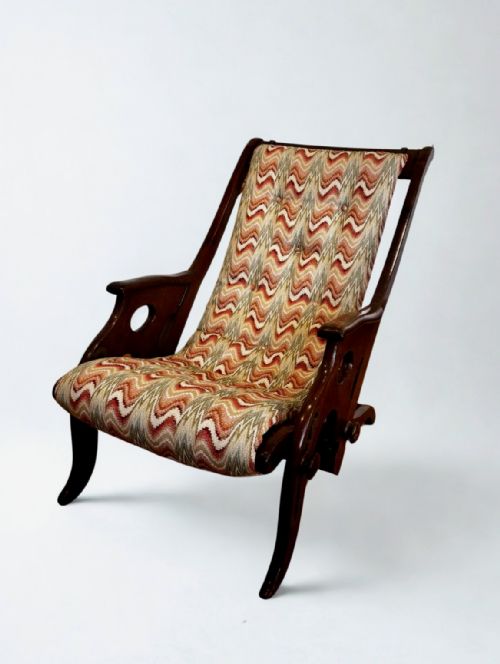
Vintage rosewood armchairs offer deep grain and solid construction, bringing substantial character and enduring style to any room.
Vintage Rosewood Armchairs
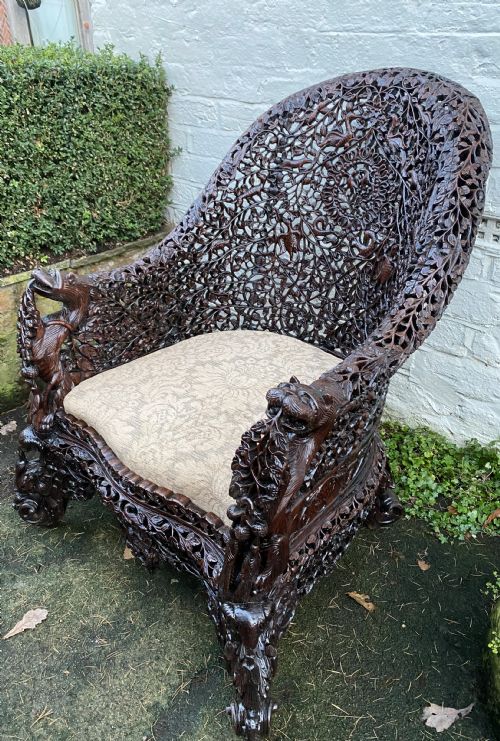
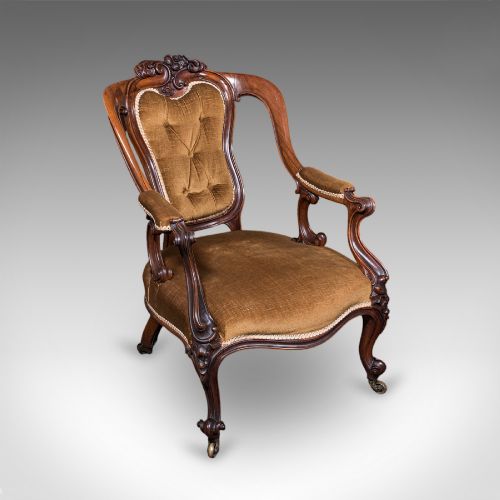
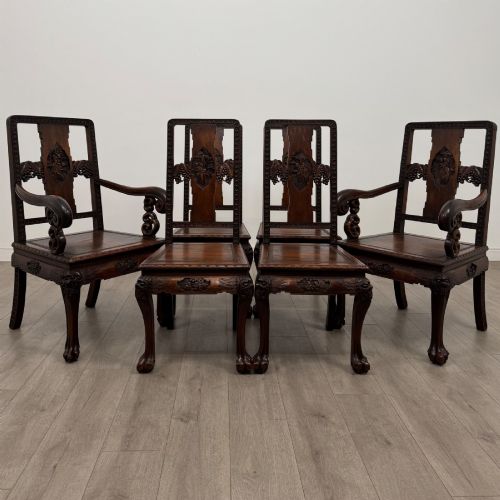
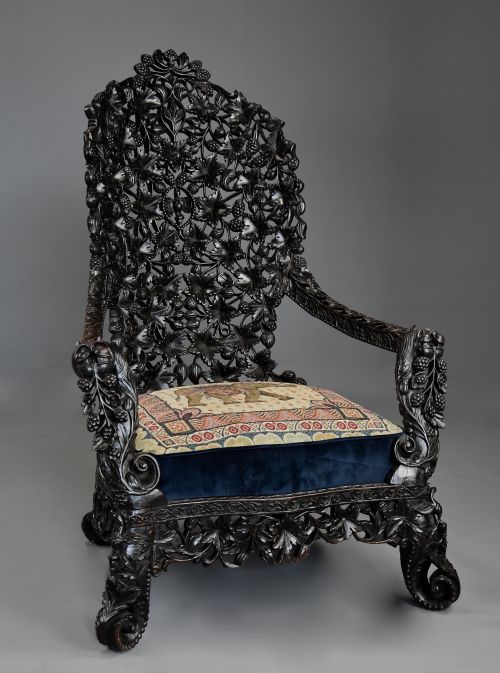
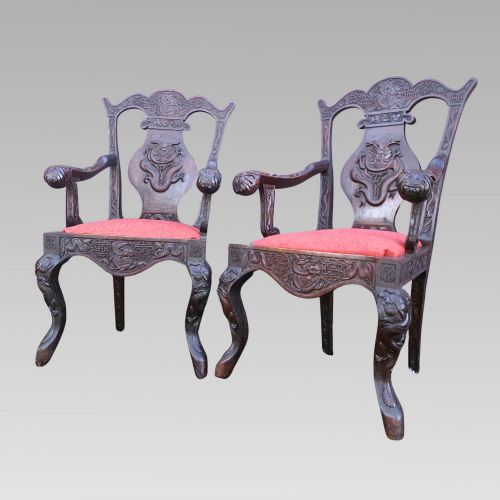
Vintage rosewood armchairs encompass seating designed for libraries, desks, and drawing rooms, spanning from the Regency and Georgian eras through the Victorian and Edwardian periods. Buyers exploring vintage rosewood armchairs will encounter distinct regional interpretations, including English library seating, French Louis Philippe models, and heavily carved Anglo-Indian or Chinese export pieces.
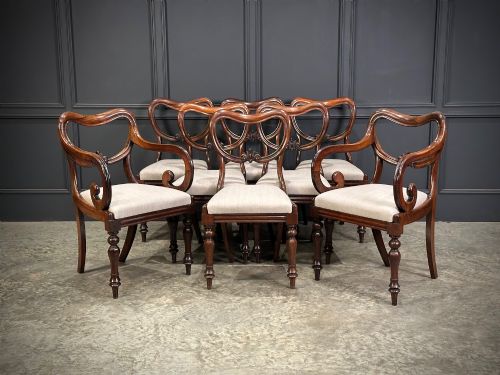
The selection ranges from single library armchairs and nursing chairs to pairs of elbow chairs and complete dining sets featuring carvers. Most examples found here originate from the nineteenth century, utilising dense timbers and traditional joinery methods appropriate for heavy domestic use.
How They Were Made
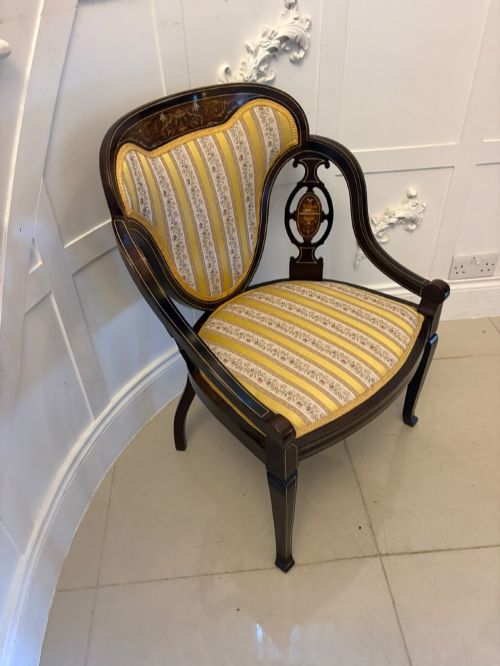
Construction relies heavily on dense rosewood and related hardwoods, often shaped with hand-carved details or inlaid with contrasting brass wire and lighter wood marquetry. Frames frequently incorporate structural elements of cane, while seating surfaces utilise traditional upholstery methods finished in leather, velvet, or woven fabric.
Makers employed robust joinery techniques to support deep frames, cabriole legs, and reclining mechanisms. Metal components such as brass castors appear on many library and desk models to aid movement across heavy carpets.
Vintage Rosewood Armchairs Retail Price Guide 2026
Typical asking prices for vintage rosewood armchairs among the pieces listed under this phrase on Sellingantiques today, from the lower quarter to the upper quarter. They describe what is for sale here now, not the wider market.
Some chairs crossed oceans in military trunks before finding a quiet corner by an English fireplace.
What Varies in Quality
Quality rests upon the crispness of hand-carving and the depth of the timber's natural grain. Pieces exhibiting intricate figural carving from Anglo-Indian or Chinese workshops demonstrate greater artisan input than plain structural frames.
The integrity of the original wood frame and the preservation of brass inlays or leather upholstery dictate the overall standard. Examples retaining their initial hardware and uncompromised joinery stand apart from heavily altered items.
J. Herbert McNair·Robert Daws
The Vintage Rosewood Armchairs Glossary
- Carver
- An armchair designed with armrests, traditionally placed at the heads of a dining table alongside matching side chairs. These often mirror the decorative motifs of the smaller chairs in a set.
- Bergère
- An enclosed upholstered armchair with a wooden frame and cane sides or back panels. This style gained popularity during the Regency period.
- Library Chair
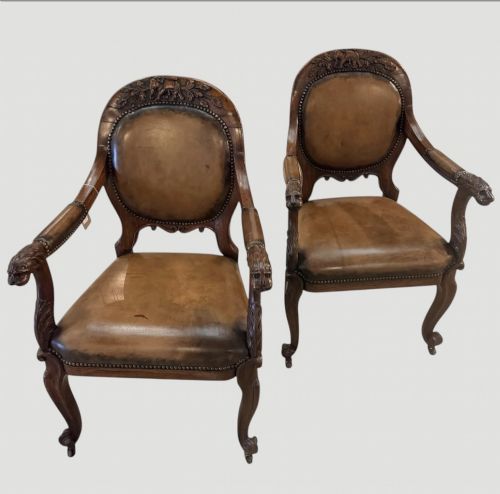
- A sturdy, comfortable armchair intended for prolonged reading, frequently featuring upholstered armrests and leather panels. Many examples include low profiles or reclining functions.
- Marquetry
- Decorative patterns formed by fitting small pieces of veneer into a wooden background. This technique appears on Edwardian and nineteenth-century frames.
- Campaign Armchair
- A portable piece of seating designed for military officers to dismantle or fold for travel. These utilise robust timbers and metal fixings.
Vintage Rosewood Armchairs: Frequently Asked Questions
How do I identify a Regency rosewood armchair?
Regency pieces often display classical lines, sabre legs, and characteristic brass inlay or brass castors. The timber tends to show strong, dark figuring typical of the early nineteenth century.
Such chairs were built for formal libraries and drawing rooms, frequently paired with writing desks or side tables.
What is the difference between an Anglo-Indian and a Victorian armchair?
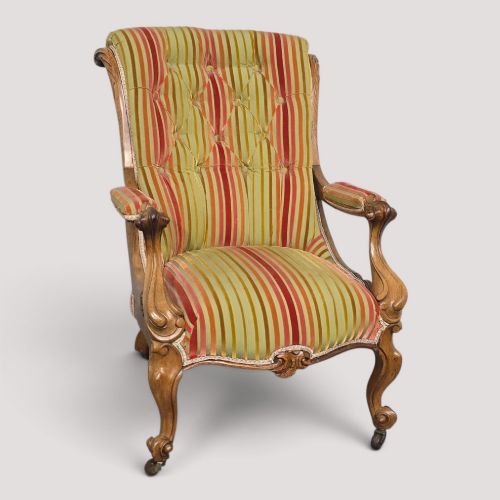
Anglo-Indian armchairs are defined by dense, deep hand-carving depicting foliage, dragons, or figures in hardwoods like blackwood and Bombay rosewood. Victorian models generally focus on curved cabriole legs, button-backed upholstery, and restrained frames.
Both styles date largely to the nineteenth century but reflect entirely different regional carving traditions.
Can I use a vintage rosewood desk chair daily?
Most nineteenth-century desk and library armchairs are constructed from solid timber and sturdy joinery suitable for regular seating. Ensuring the internal webbing and leather or fabric upholstery remain stable will protect the frame during daily use.
Placing the chair away from direct heat sources helps preserve the natural moisture in the rosewood.
What maintenance do rosewood frames require?
Rosewood benefits from occasional polishing with suitable wax to maintain the natural lustre of the grain. Avoid chemical cleaners that can strip the historic polish from the wood.
Keeping the furniture out of direct sunlight prevents the rich reddish-brown tones from fading over time.