


Vintage Rococo Console Table
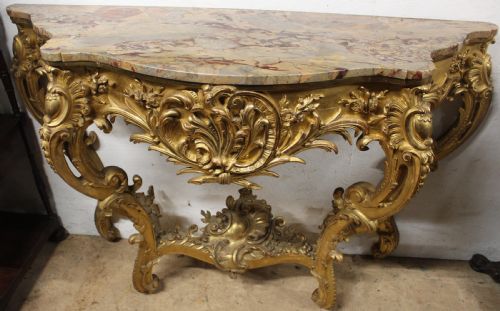
A vintage rococo console table brings theatrical curves and heavy stone tops into a room, offering a dramatic surface for a hallway or living space.
Vintage Rococo Console Table
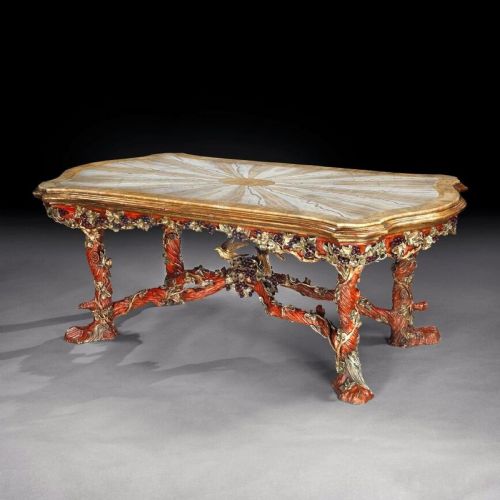
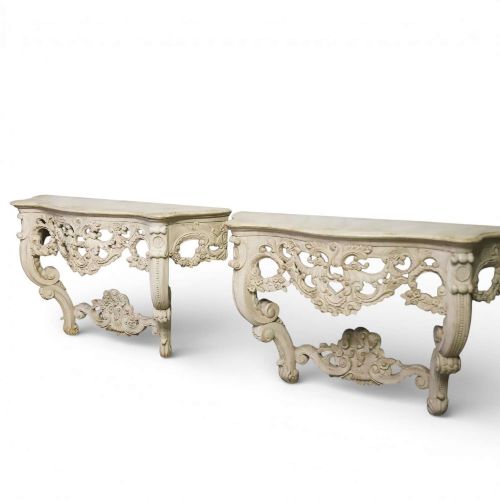
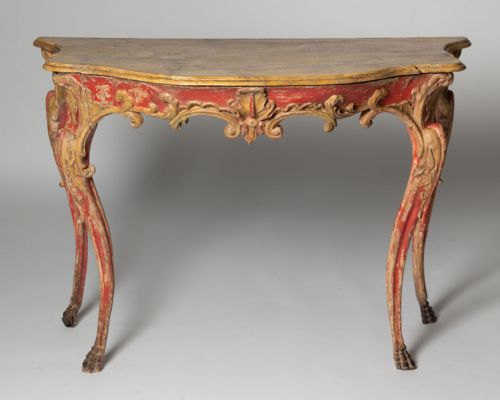
A vintage rococo console table takes the dramatic, asymmetrical scrolls and natural motifs of eighteenth-century design and reinterprets them across various later periods. When searching this phrase, buyers encounter examples ranging from nineteenth-century revival pieces to items dated into the nineteen-twenties and thirties. These tables typically sit against a wall, sometimes paired with a matching wall mirror, serving both decorative and functional roles in a reception space.
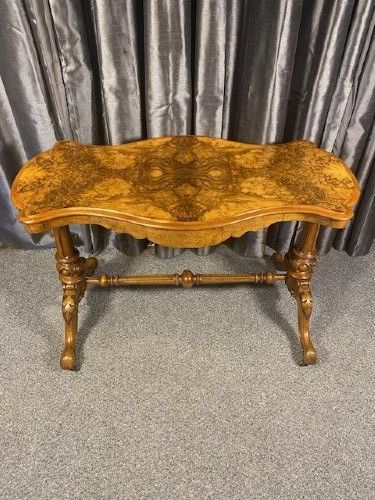
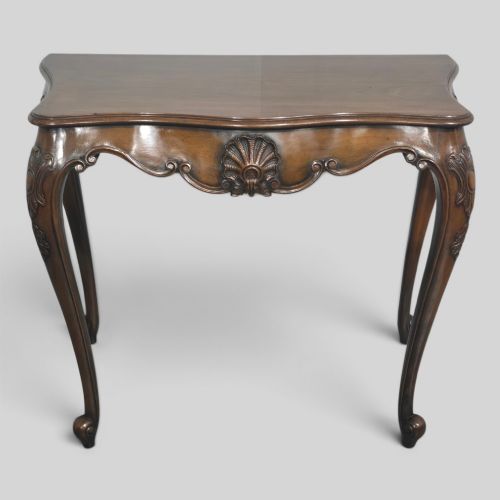
The inventory on this page shows console tables alongside related forms such as side tables, centre tables, and pier tables. Origins span French, Italian, and Swedish workshops, bringing different regional interpretations to the style. Woods like walnut and mahogany appear alongside gilded finishes, painted surfaces, and heavy stone tops.
Materials and construction
Carved wood provides the sculptural framework for these tables, with artisans shaping walnut, oak, and birch into flowing serpentine lines and cabriole legs. Giltwood and gesso finishes add reflective brilliance, while painted and parcel-gilt surfaces introduce softer, antique white or polychrome colour schemes. Marquetry and parquetry techniques create intricate geometric patterns across wooden tabletops.
Heavy marble and onyx slabs frequently form the upper surface, resting upon the elaborately carved wooden bases. These stone tops bring substantial weight and cool textures to counterbalance the ornate underframes. Craftspeople also utilised burr veneers to produce highly figured grain patterns on the aprons and surfaces of occasional tables.
Several tables feature serpentine edges designed to outmanoeuvre awkward hallway corners with theatrical grace.
Distinctions in quality
The depth and crispness of the wood carving separate standard decorative items from finer works. Skilled carvers achieve fluid, undercut relief work on the scrolls and foliage rather than flat, machine-cut replication. The quality of the joinery and the selection of figured burr veneers similarly indicate the maker's investment of time and skill.
The choice of top material also defines the tier of a piece. Thick, well-figured marble or onyx slabs fitted precisely to the wooden frame represent a higher standard than simpler wooden or painted alternatives. Furthermore, the presence of original gilding, gesso work, or hand-painted polychrome decoration retains more artistic integrity than later repainting.
Amleto Bertoni·Maple and Co
The Vintage Rococo Console Table Glossary
- Console table
- A table designed to stand against a wall, traditionally fixed with brackets or resting on front legs. These pieces suit hallways and reception rooms where floor space is limited.
- Giltwood
- Timber coated with gold leaf or a gold-coloured metallic finish. This technique creates a luminous surface that catches candlelight or natural illumination.
- Serpentine
- A shape characterised by a line of alternating convex and concave curves. It provides the characteristic undulating front edge seen on many revival tables.
- Gesso
- A plaster-based mixture applied to wood to create a smooth surface for gilding or painting. It allows carvers to build up crisp decorative details before applying metallic leaf.
- Marquetry
- The art of applying pieces of veneer to a structure to form decorative patterns. Craftsmen use contrasting woods to create pictorial or geometric designs on table tops.
Vintage Rococo Console Table: Frequently Asked Questions
Where should I place a console table?
These tables find a natural home in hallways, entrance passages, and living rooms where they provide a surface for lamps and decorative objects. Wall-mounted versions require secure fixing to support heavy stone elements.
Because many examples feature finished backs or are designed to stand flush against a vertical surface, placement depends largely on whether the piece is a wall console or a freestanding centre table.
How do I care for a marble top?
Stone surfaces require gentle cleaning with mild, pH-neutral soap and warm water to avoid damaging the polish. Acidic substances like citrus juice or wine can etch marble, so coasters should be used.
Applying a suitable stone sealer periodically helps protect the surface from stains while preserving the natural figure of the material.
What distinguishes rococo revival from original pieces?
Revival items date from later centuries, such as the nineteenth or early twentieth century, recreating the fluid, asymmetrical forms of the original eighteenth-century movement. They utilise period manufacturing methods and machinery alongside traditional hand-carving.
Examining the construction techniques, timber shrinkage, and underlying hardware helps determine whether a piece originates from the primary period or a later revival.
How do I maintain gilded wood?
Gilt surfaces benefit from very light dusting with a soft, dry brush to prevent the accumulation of dirt without disturbing the metallic leaf. Moisture and harsh cleaning agents can strip the delicate gold layer.
Keeping gilded furniture away from direct sunlight and heat sources prevents the underlying gesso from cracking or flaking over time.