
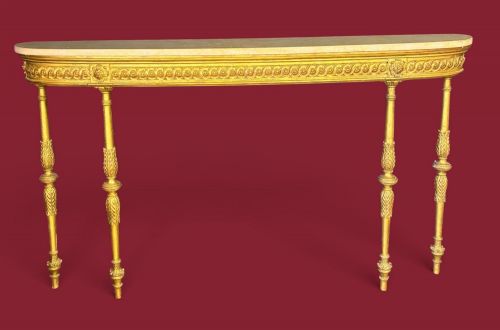


French Gilded Wall Table
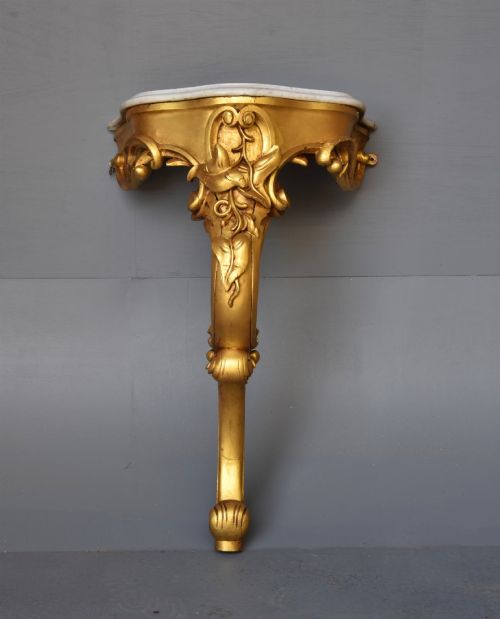
A french gilded wall table brings undeniable presence to a room, offering a surface supported against a wall with rich historical character.
French Gilded Wall Table
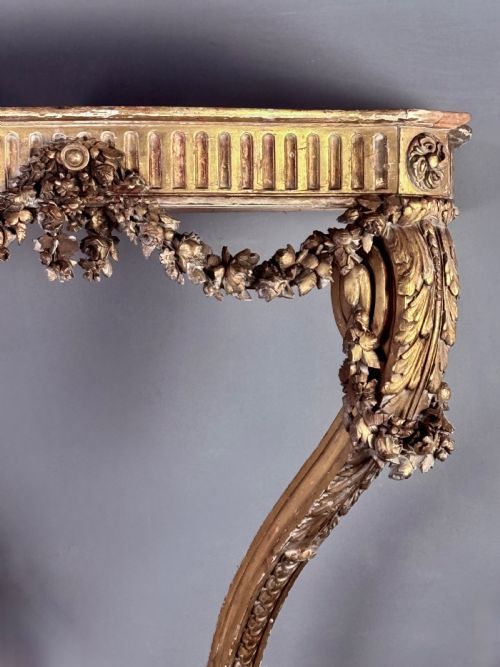
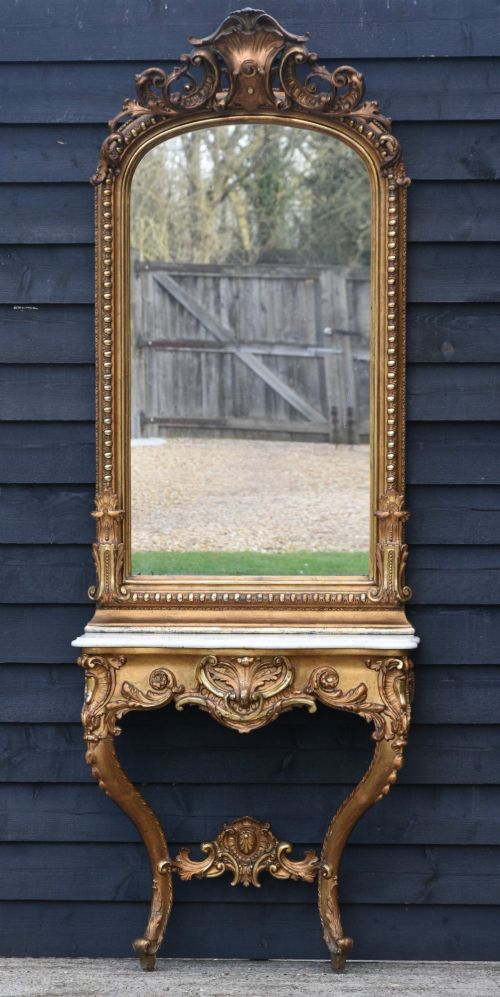
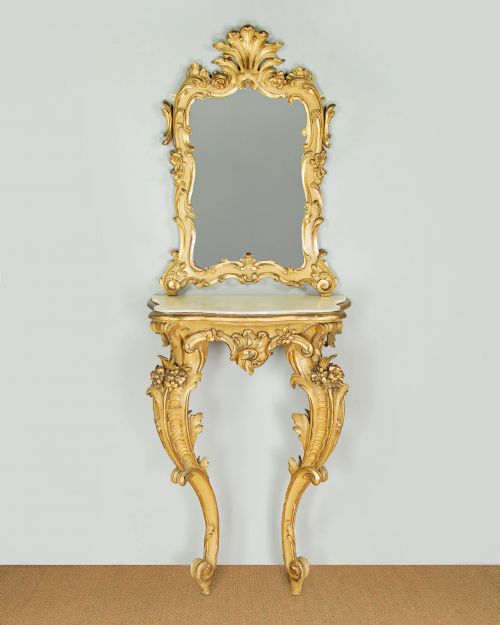
A french gilded wall table serves primarily as a console or side table designed to anchor an interior space, often accompanied by a matching pier mirror. These pieces emerge predominantly from the nineteenth and eighteenth centuries, reflecting historical periods of ornate craftsmanship.
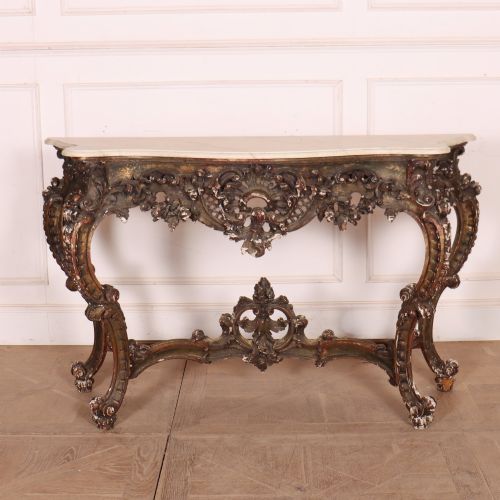
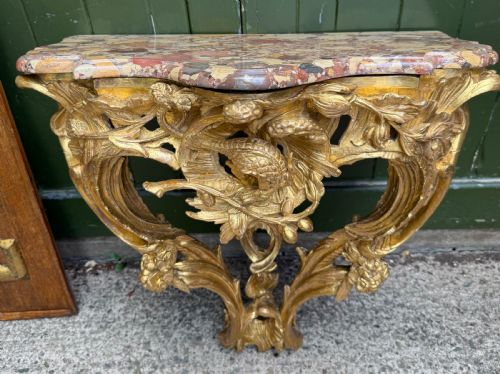
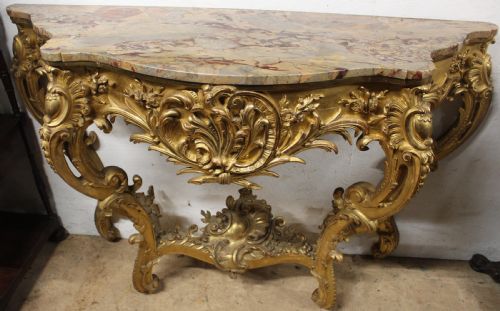
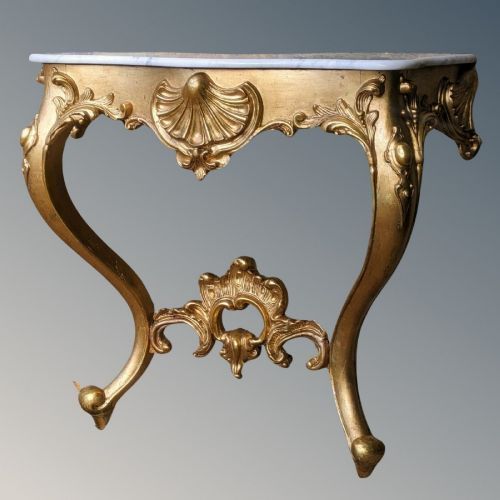
Buyers encounter various forms ranging from compact serpentine front designs to large console tables with figured marble tops. The lineage draws heavily from Rococo, Neoclassical, and Louis XVI design vocabularies.
Origins trace through French and Victorian interpretations, uniting functional wall furniture with decorative arts. Many examples incorporate painted wood, wrought iron, or parcel gilt finishes alongside traditional carved wood structures.
Materials and construction methods
Master craftsmen built these structures using timber foundations shaped through detailed carving, applying gesso as a smooth preparation layer for subsequent gilding. Gold leaf and paint finishes were then meticulously applied to create luminous surfaces.
Heavier elements such as breche d'alep and standard marble slabs were fitted precisely to the table tops, providing durable and contrasting horizontal surfaces. Structural integrity often relied on ironwork or sturdy wood joinery hidden beneath the decorative exterior.
Watch out for cheeky carved putti and baroque rams peering out from beneath heavy marble tops.
Assessing quality and execution
The depth and crispness of the hand-carved wood ornamentation dictate the refinement of a piece, distinguishing robust artisan work from simpler production. Superior examples display fluid lines in serpentine forms and balanced proportions in motifs like putto or rams and maiden heads.
The preservation of the original gold leaf and gesso layers relative to later repainting alters the historical integrity of the object. Furthermore, the quality and geological figuring of the fitted marble top contribute significantly to the standing of the table.
Felix Alfred Ternisien
The French Gilded Wall Table Glossary
- Console table
- A table designed to be fixed against a wall, frequently supported by front legs with the rear secured to the architecture.
- Giltwood
- Timber that has been coated with gold leaf or gold paint over a prepared ground.
- Gesso
- A plaster-like mixture applied to wood surfaces to create a smooth base for carving and gilding.
- Pier mirror
- A tall mirror specifically proportioned to hang on the wall space between windows, often positioned directly above a console table.
- Serpentine
- A curved furniture outline that bends outward in the centre and inward at the sides, creating a wave-like front.
French Gilded Wall Table: Frequently Asked Questions
How do I secure a wall table safely?
Most console tables designed for walls rely partly on the vertical surface for stability and require proper wall fixings to prevent tipping. Brackets or structural anchor points underneath the framework keep the piece secure.
Professional installation is recommended, particularly when heavy marble slabs rest on top of antique wooden bases. Ensuring the weight distributes correctly protects both the wall and the historic furniture.
Did these tables always include mirrors?
Many period interiors paired console tables with matching pier mirrors to create a unified decorative scheme. The frames of the mirror often mirrored the carving style and gilding of the table base below.
While numerous sets survive intact, tables and mirrors were also produced independently. Collectors frequently assemble or separate these pairings depending on the proportions of the room.
How do I clean a gilded surface?
Gilded wood requires extremely gentle maintenance to avoid wearing away the delicate gold leaf layer. Dusting with a dry, soft feather duster prevents the accumulation of grit without harming the finish.
Liquid cleaners and aggressive rubbing must be avoided entirely, as moisture penetrates old gesso and wood. Conservation grade brushes help clear dust from deep carved recesses safely.
What distinguishes Rococo from Neoclassical styles?
Rococo design emphasises asymmetrical curves, shell motifs, and exuberant, flowing ornamentation derived from nature. These tables feature restless, organic shapes with rich textural contrast.
Neoclassical pieces shift toward symmetry, straight lines, and classical architectural details inspired by antiquity. Columns, swags, and restrained geometric balance replace the earlier ornate flourishes.