
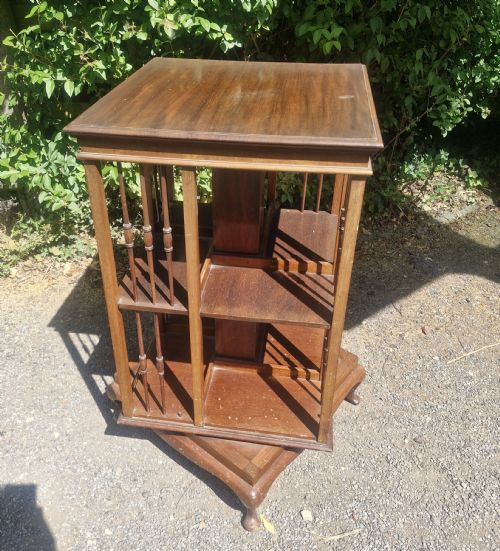
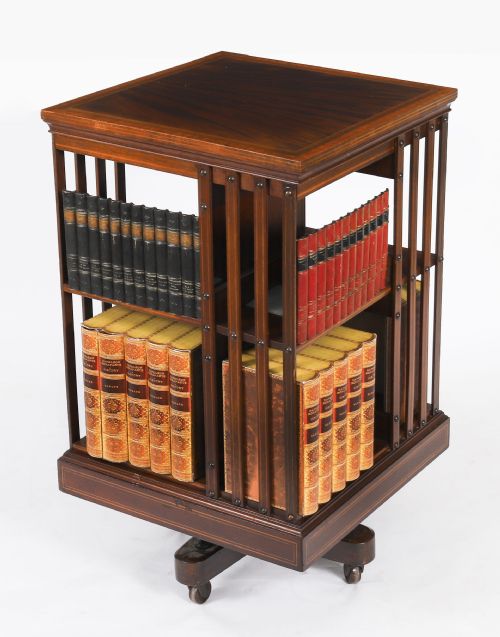
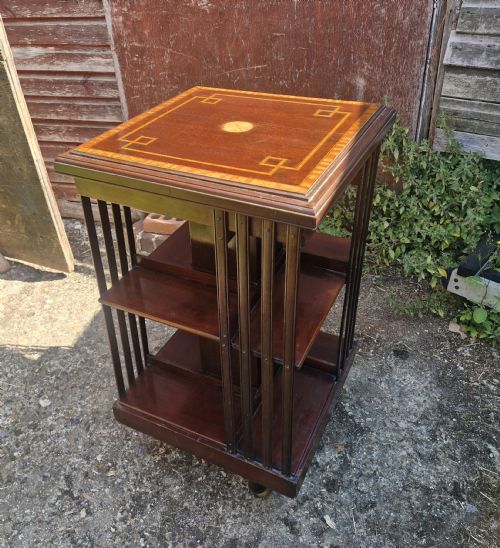
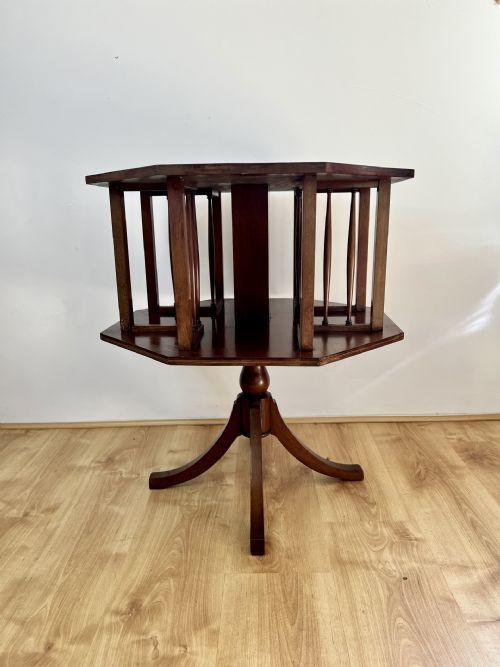
Vintage Revolving Bookstand
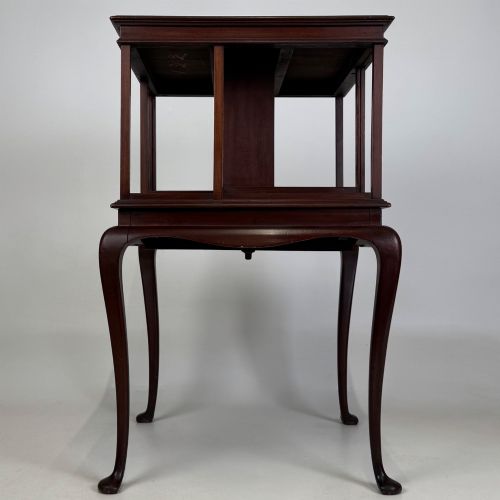
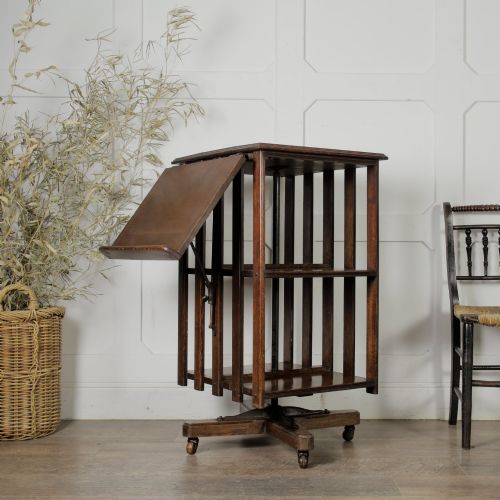
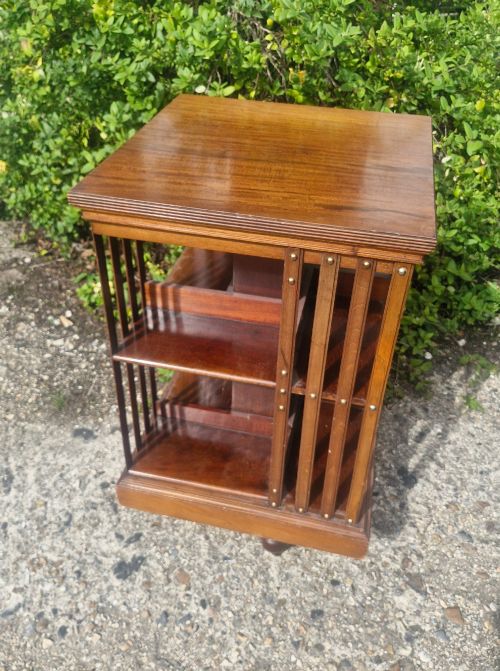
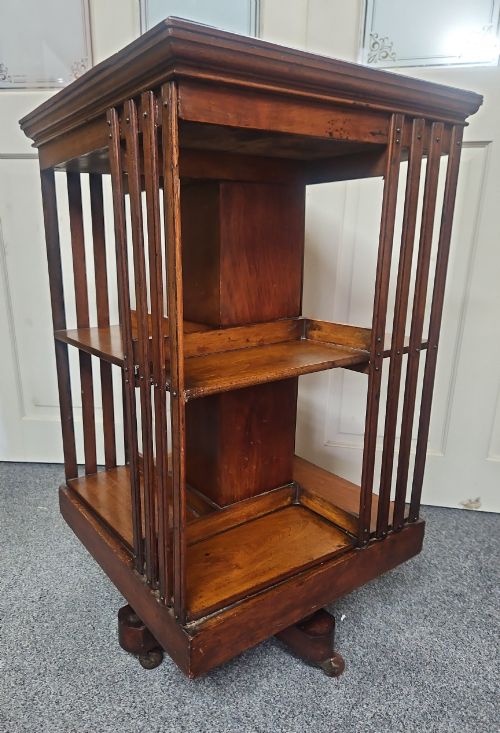
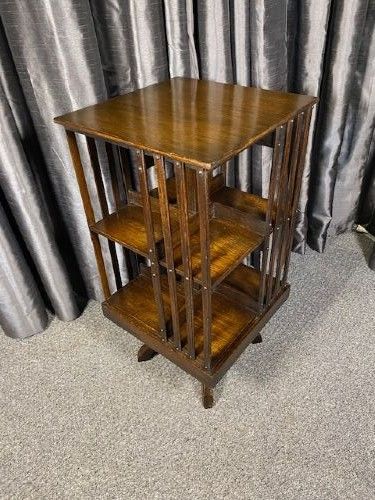
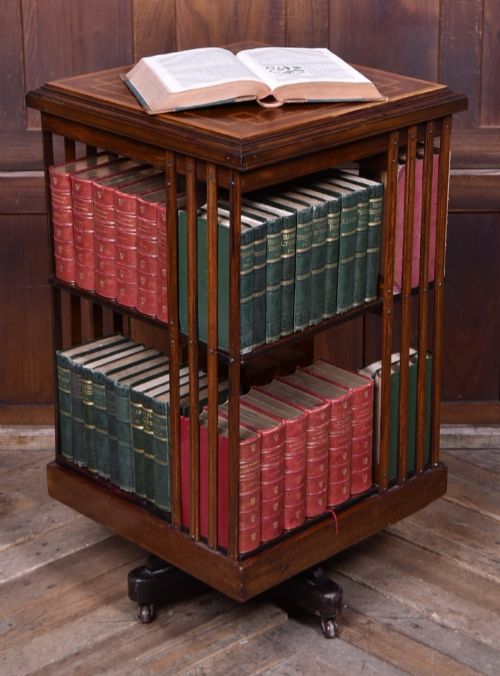
These vintage revolving bookstand pieces bring practical function and period character to a room, turning smoothly to display a library within arm's reach.
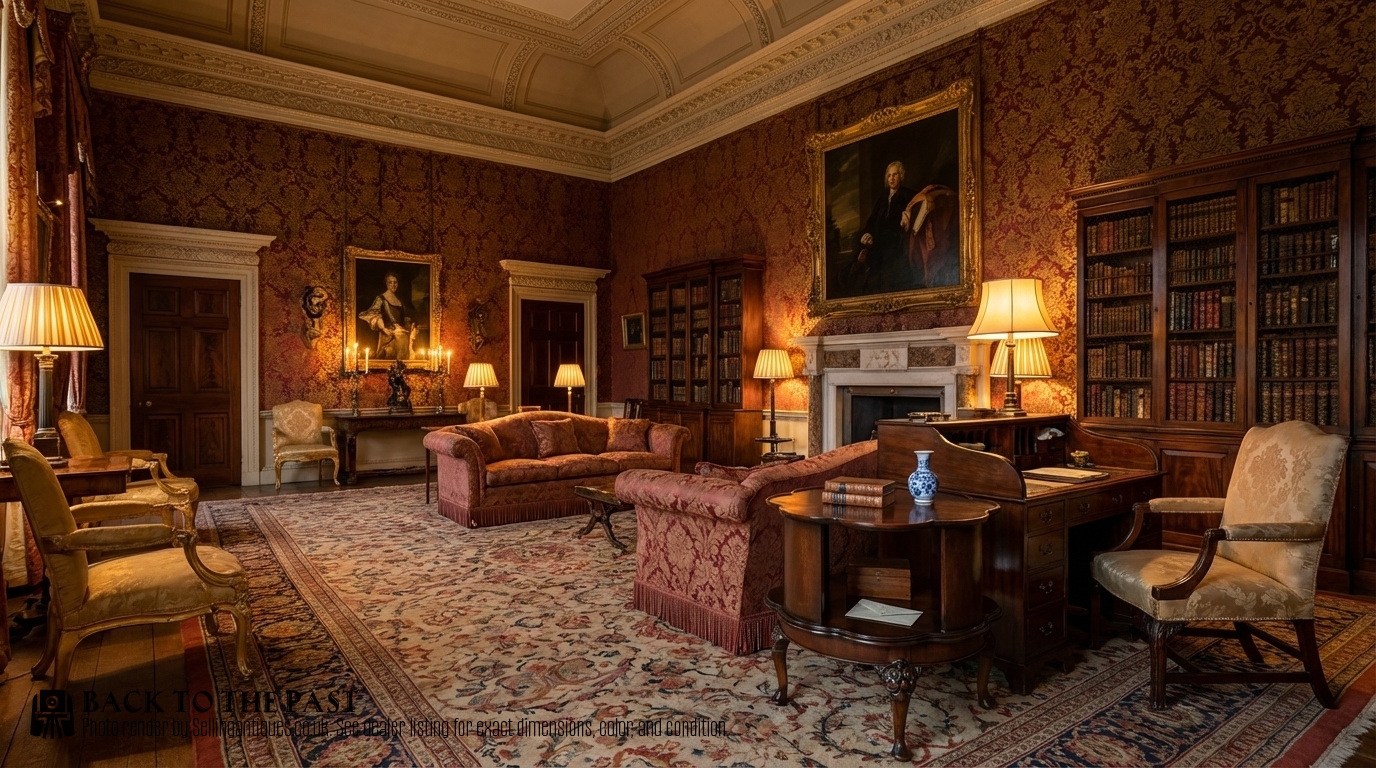
Vintage Revolving Bookstand
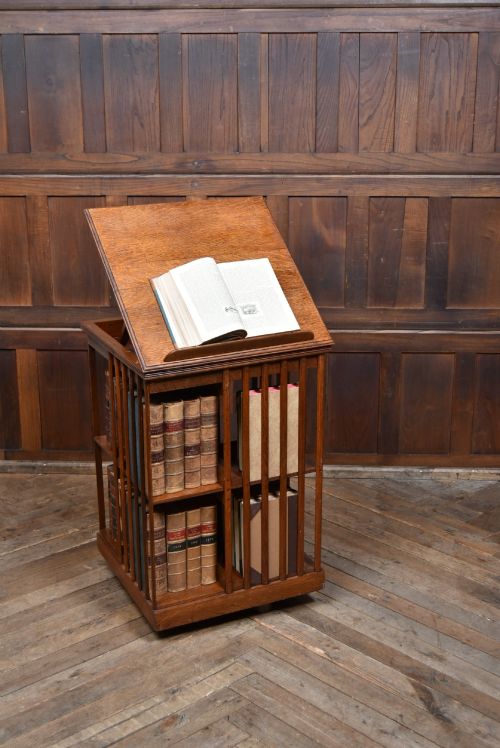
The selections span table-top reading stands to tall floor-standing models with multiple tiers. Most forms emerge from the late nineteenth and early twentieth centuries, reflecting the period appetite for compact domestic organisation.
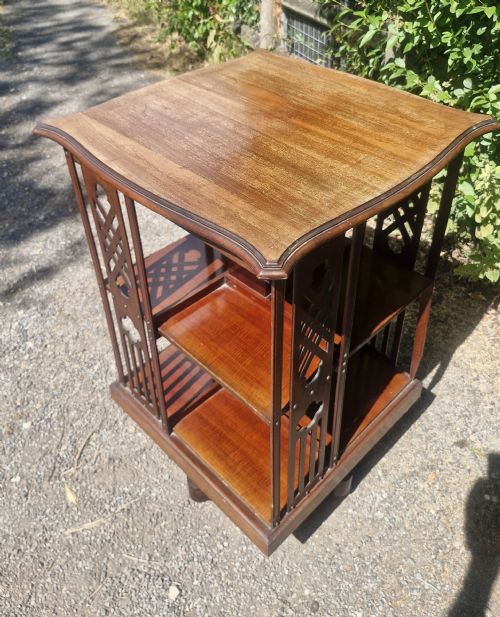
Makers utilised various timbers such as mahogany, oak, and walnut to build these rotating units for studies, libraries, and drawing rooms. The physical rotation mechanism allows a reader to access a collection of books from a single seated position.
How they were made
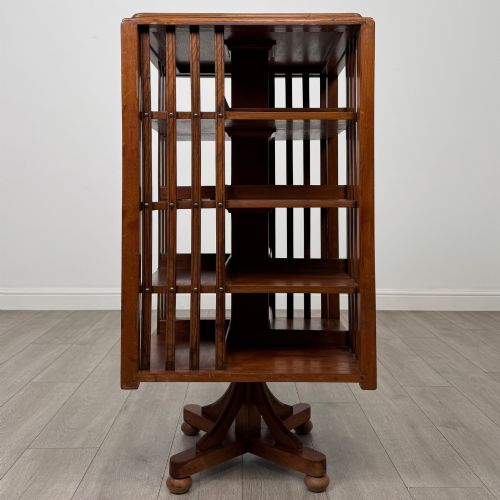
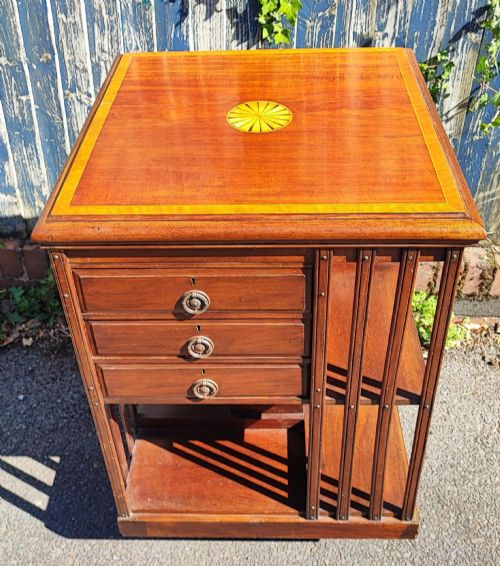
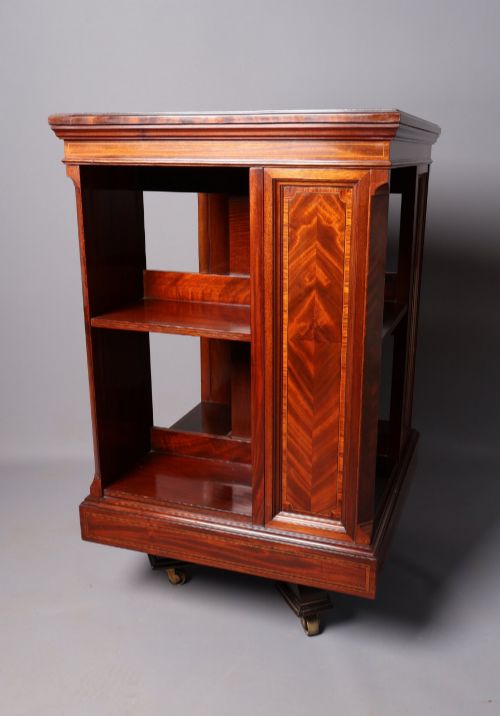
Cabinetmakers constructed the main body using timbers such as mahogany, oak, and walnut, often selecting flame veneers or incorporating satinwood inlay for decorative contrast. The internal pivot mechanism frequently relies on iron or brass components to ensure the superstructure turns smoothly.
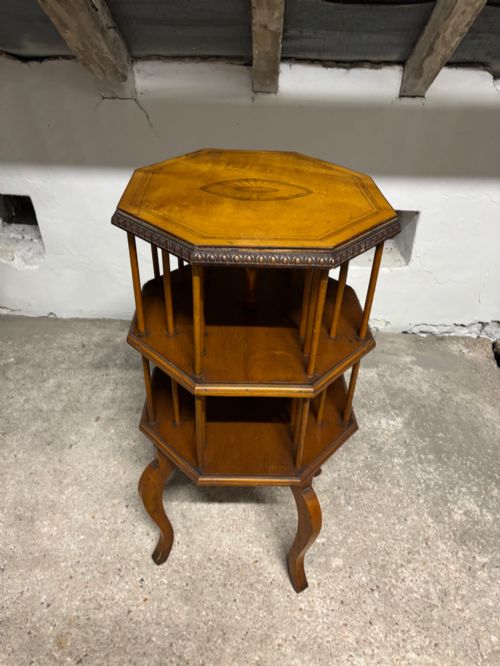
Joinery techniques combined solid framing with sturdy shelving to support the considerable weight of bound volumes. Inlaid versions integrated fine stringing or patterned veneers into the woodwork before finishing with polish.
Several bookstands include brass mechanisms that whisper quietly as they spin your favourite volumes into view.
What varies in quality
The refinement of the timber selection dictates much of the distinction, separating plain utility pieces from those featuring figured mahogany or detailed satinwood inlay. Superior examples display tighter joinery and smoother rotation of the internal pivot mechanism without excessive wobble.
Proportion and scale also separate standard models from larger or taller designs that require careful engineering to remain stable while loaded with books.
Maple and Co
The Vintage Revolving Bookstand Glossary
- Revolving bookcase
- A freestanding or table-top piece of furniture designed to rotate on a central pivot for easy access to books. These stands appeared frequently in domestic libraries during the Victorian and Edwardian eras.
- Satinwood inlay
- A decorative technique where contrasting light-toned wood is inserted into recesses in a darker primary timber, such as mahogany. This method created geometric borders or floral motifs on cabinet furniture.
- Flame mahogany
- A veneer cut from the branch junction of a mahogany tree, producing a distinctive, rippled wave pattern in the grain. Cabinetmakers utilised this timber on prominent surfaces to catch the light.
- Edwardian Sheraton Revival
- A design style popular around nineteen hundred that drew inspiration from eighteenth-century neoclassical furniture forms. Pieces from this movement often incorporate delicate inlay and lighter timbers.
Vintage Revolving Bookstand: Frequently Asked Questions
How do I care for the wood?
Dust the timber regularly with a soft, dry cloth to prevent the accumulation of grit in the carved details and inlay.
Apply a traditional beeswax polish occasionally to nourish the grain and maintain the natural lustre of the mahogany or oak.
Can these hold heavy books?
The sturdy construction of oak and mahogany models allows them to support standard octavo volumes and heavier reference books without strain.
Distributing heavier books on the lower tiers helps maintain stability when the stand is rotated.
Where should I place it?
Floor-standing models suit placement beside a favourite armchair or desk where accessibility is paramount.
Table-top versions fit comfortably on top of side tables or larger desks to keep current reading material close at hand.
How do I identify the period?
Examining the timber choices, construction methods, and decorative motifs helps distinguish Victorian pieces from Edwardian revivals.
Earlier nineteenth-century examples often feature heavier proportions, while Edwardian models frequently display lighter satinwood inlay.