


Vintage Red Wall Mirror
A vintage red wall mirror brings a striking splash of colour and period character to a room.
Vintage Red Wall Mirror
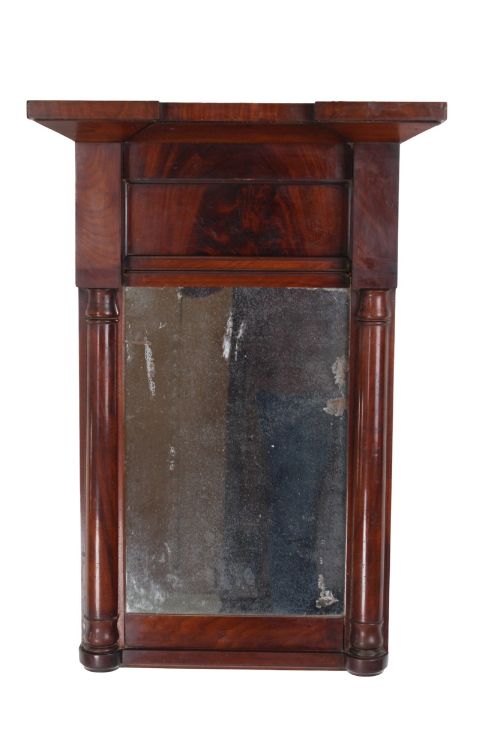
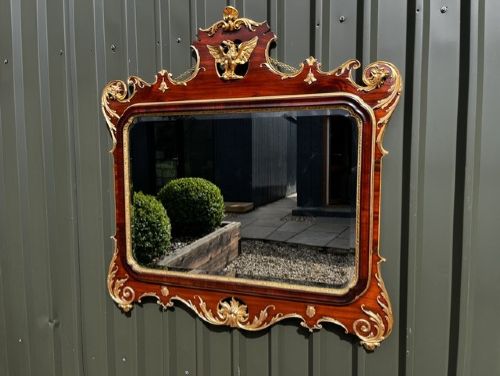
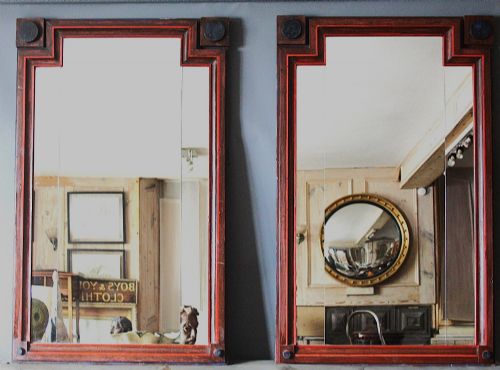
A vintage red wall mirror spans several distinct decorative movements, taking the form of overmantel mirrors, pier mirrors, and painted cushion frames. These pieces rely on rich red tones, painted finishes, and ruby glass borders to catch the eye.
The selection on this page ranges from early nineteenth-century French designs to art deco Odeon pieces and Chinoiserie lacquered styles. Buyers will frequently encounter wooden frames finished in red paint, gilt on red preparations, and Venetian cut glass with ruby accents.
How they were made
Frames are constructed from woods such as mahogany, traditional giltwood, and carved timber, then layered with paint, gesso, or lacquer. Many examples utilise traditional red japanning or painted cushion moulding to build depth around the glass plate.
Mirrors such as the Venetian pieces incorporate cut and etched glass sections, often surrounding a distinct ruby red border. French and English workshops applied gold leaf over red bole grounds, creating a warm undertone visible where the surface ages.
The object forms on this page include overmantel mirrors, pier mirrors, cushion frames, and dressing mirrors alongside Venetian glass designs.
What varies in quality
Quality rests in the depth of the finish, whether through hand-applied lacquer, layered red paint, or the crispness of the carving on giltwood and mahogany frames. Superior pieces display harmonious proportions and original mirror plates that show natural foxing rather than modern replacement.
The intricacy of the glass work also defines the tier of the piece, particularly in Venetian mirrors with detailed etching and cut borders. Construction methods, from pegged wooden joints to hand-turned elements, separate standard decorative items from finer period examples.
The Vintage Red Wall Mirror Glossary
- Japanning
- A European imitation of East Asian lacquerwork, created by applying layers of varnish and heat-curing the surface. This technique produces a glossy red or dark finish common on eighteenth and nineteenth-century style frames.
- Pier mirror
- A tall, narrow mirror traditionally designed to hang on the wall space between two windows. These pieces often sit above a pier table and feature slender proportions.
- Gesso
- A plaster-like mixture applied to wood frames to provide a smooth base for gilding or painting. It allows craftsmen to carve intricate relief details before adding colour or gold leaf.
- Cushion frame
- A mirror frame with a broad, rounded profile that slopes outward or inward like a pillow. This convex shape helps reflect light from multiple angles into the room.
- Overmantel mirror
- A wide mirror specifically designed to hang above a fireplace mantelpiece. They often mirror the horizontal proportions of the hearth below.
Vintage Red Wall Mirror: Frequently Asked Questions
Where should I hang a red wall mirror?
These mirrors work well above a fireplace, in an entryway, or as a focal point on a neutral wall where the red colour can stand out. Their reflective properties also help bounce natural light around darker corners of a room.
Consider the scale of the surrounding furniture when choosing a location, ensuring a pier mirror or overmantel piece matches the width of the console or mantel beneath it.
How do I identify the period of a red mirror?
Dating relies on examining the construction of the wooden frame, the composition of the glass plate, and the style of the decoration. Art deco pieces feature geometric lines, while nineteenth-century and earlier styles often show hand-carved wood or traditional japanning.
Looking at the backboards, fixings, and the type of edge bevel on the mirror glass also offers clear clues to the manufacturing era.
Are the mirror plates original?
Many vintage and antique mirrors retain their original glass, which often exhibits light oxidation, minor speckling, and gentle distortion known as foxing. These natural signs of age confirm the long history of the piece.
Some mirrors have received replacement glass over the decades to maintain a clearer reflection for daily use in a modern home.
How do I clean a painted or lacquered frame?
Painted and lacquered surfaces require gentle dusting with a dry, soft microfibre cloth to remove surface particles. Avoid using harsh chemical sprays, abrasive cloths, or excessive water that might lift the old paint or lacquer.
Glass cleaner should be applied sparingly to a cloth rather than sprayed directly onto the mirror, preventing the liquid from seeping behind the frame and damaging the backing.