
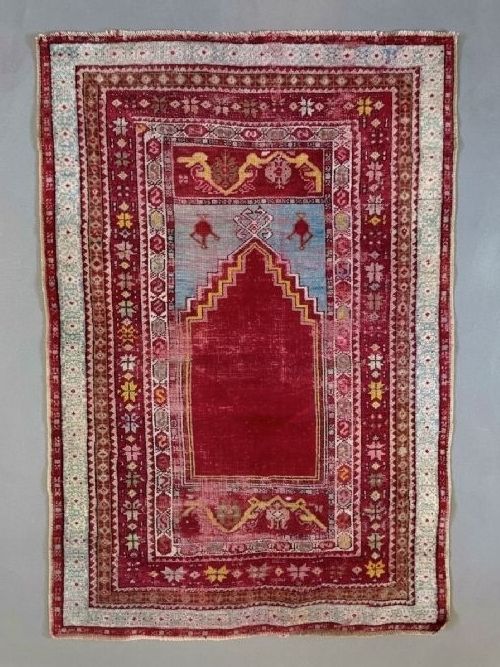
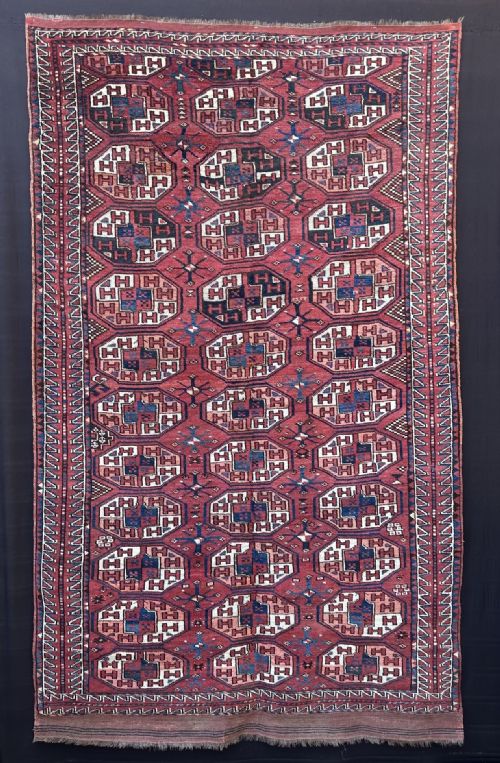



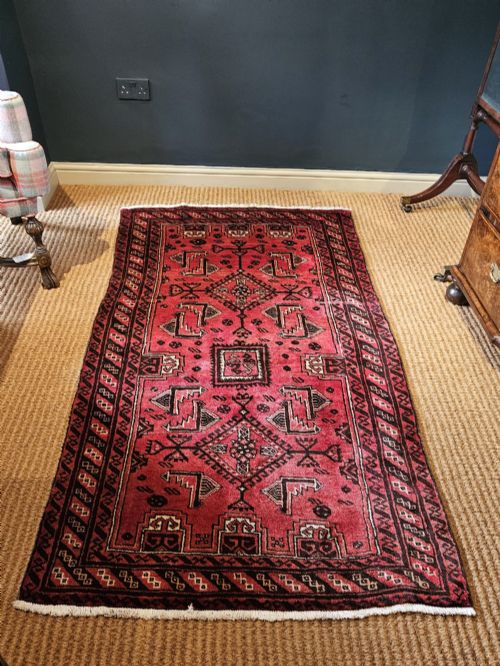




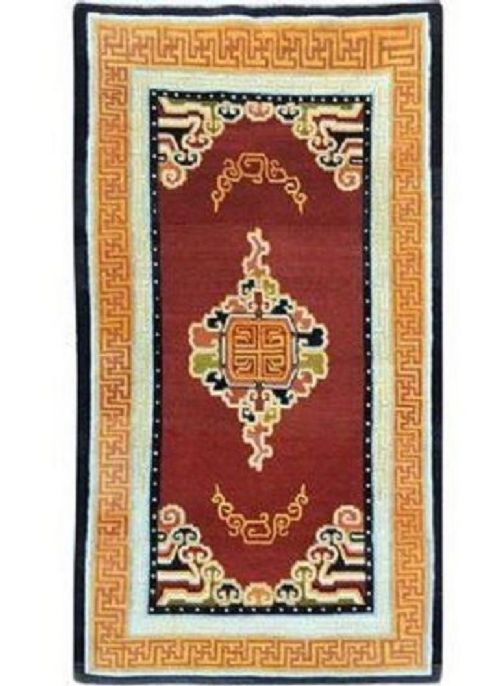
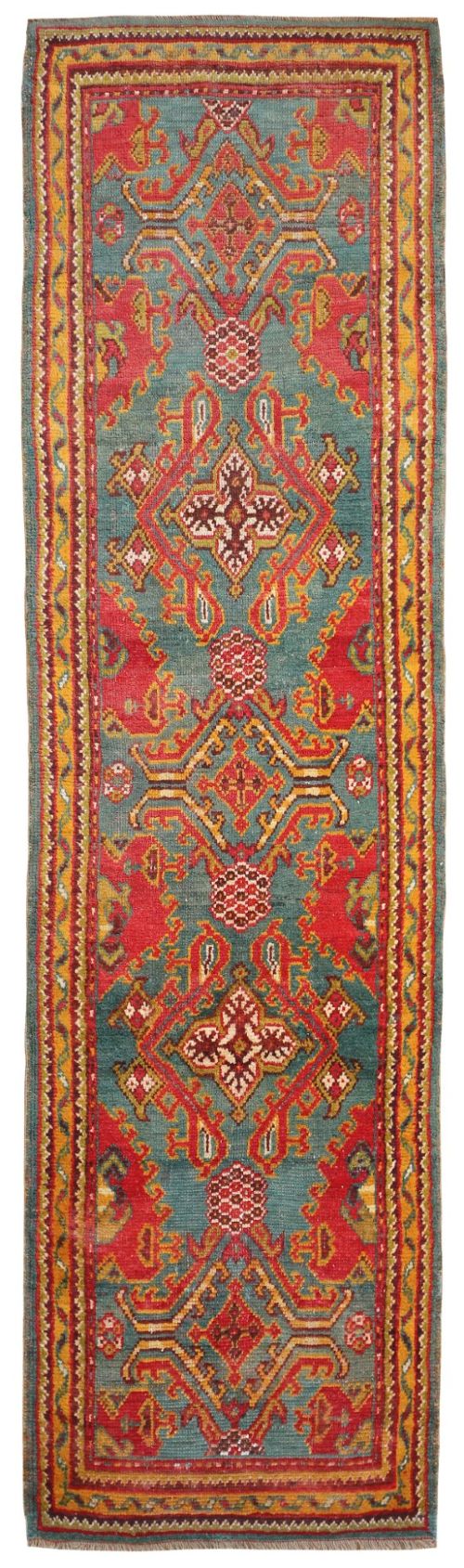
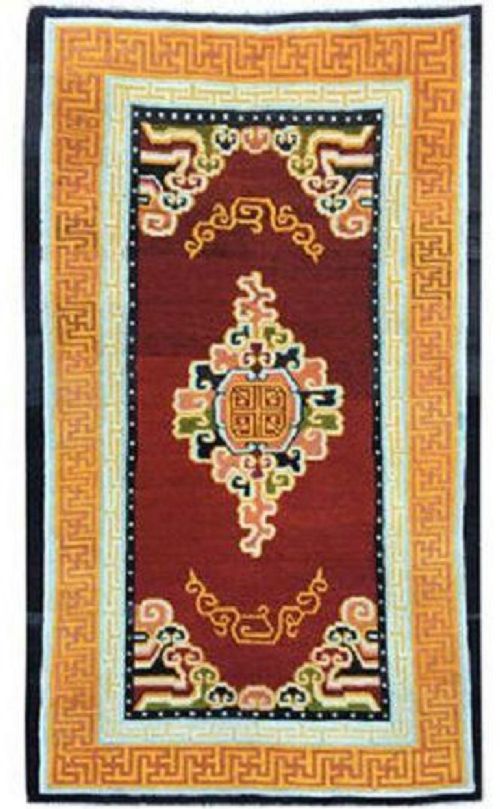
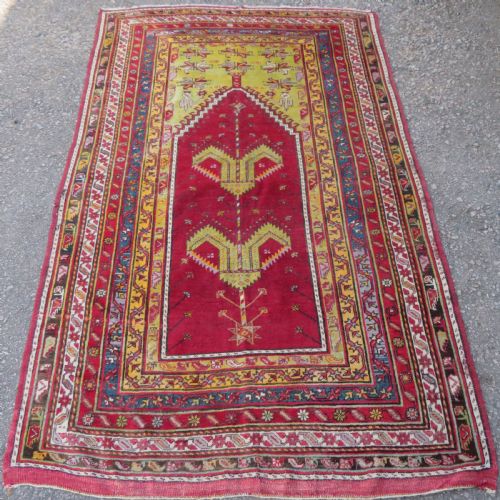

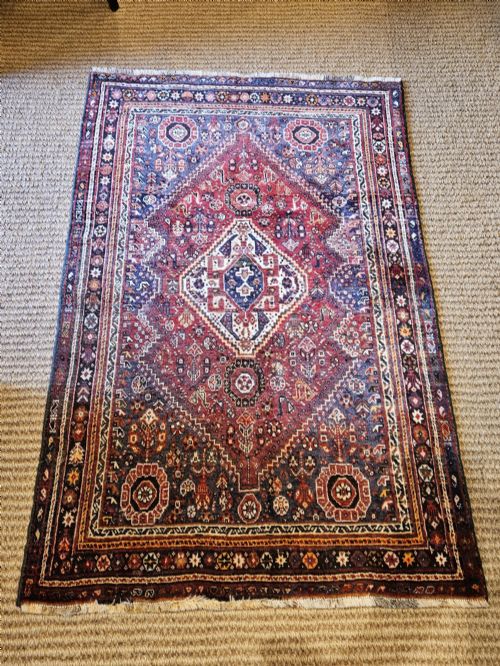
Vintage Red Runner
A vintage red runner brings warmth and pattern to long corridors, uniting rooms with the rich history of woven Persian, Caucasian, and Anatolian textiles.
Vintage Red Runner
A vintage red runner serves narrow spaces such as hallways, landings, and corridors by offering an elongated format dominated by rich crimson and madder hues. When exploring this selection, buyers encounter long carpets originating from diverse weaving traditions across Persia, the Caucasus, and Turkey.
The inventory encompasses specific tribal and village formats, including Heriz, Kazak, and Kurdish long rugs dating from the late nineteenth century through the early decades of the twentieth century. These narrow floor coverings balance practical utility with traditional geometric or floral motifs suited for heavy foot traffic.
Makers from various regional groups utilised characteristic dyeing techniques to produce striking terracotta, rust, and ruby backgrounds. Each piece reflects the distinctive knotting methods and design vocabulary of its specific origin, whether from northwest Persia or Anatolian workshops.
Materials and construction methods
Weavers relied principally on natural wool and pure wool foundations, often paired with cotton warps and occasionally incorporating silk or metallic thread for detail. These organic materials provide durability and a soft pile that withstands decades of use in residential hallways.
Dyers employed natural dyes to achieve the varied red tones found across the pieces, utilising plant and insect extracts to create enduring depth of colour. Skilled artisans knotted the pile by hand onto sturdy vertical looms, following generational patterns specific to their tribe or region.
Materials recorded in this selection include wool, pure wool, cotton, silk, and metallic thread, alongside traditional natural dyes.
Distinctions in quality and execution
The fineness of the knot count and the precision of the geometric or floral drawing separate standard village work from master tribal weaving. Finer execution allows complex medallion and lattice designs to maintain crisp definition along the length of the narrow format.
The integrity of the wool pile and the stability of the foundation dictate the condition of a runner over time. Examples that retain even pile height and secure edge binding demonstrate superior original construction and careful historic preservation.
The Vintage Red Runner Glossary
- Runner
- A long, narrow carpet designed specifically for hallways, stairs, and corridors. It typically measures significantly greater in length than in width.
- Pile
- The upright yarn loops or cut ends that form the soft surface of a carpet. It provides the texture and protects the structural foundation beneath.
- Warp
- The stationary vertical threads stretched tightly on a loom before weaving begins. Wefts are passed across them to hold the knots in place.
- Natural Dyes
- Colourants derived from plants, roots, and insects rather than synthetic chemicals. They impart nuanced, rich tones that age gracefully over generations.
Vintage Red Runner: Frequently Asked Questions
Where should I place a long runner?
These narrow formats suit hallways, corridors, and long landings where floor protection and visual warmth are required.
They also function effectively in narrow kitchens or beside beds, bridging open spaces with traditional pattern.
How do I care for wool floor coverings?
Regular gentle vacuuming without a rotating brush roll prevents dust accumulation within the wool pile.
Professional cleaning by specialists in antique textiles ensures the natural dyes and fibres remain protected.
What indicates a tribal origin?
Tribal pieces display characteristic geometric motifs, asymmetric designs, and spirited colour combinations specific to nomadic or village weavers.
Such carpets often feature coarser knotting and designs handed down through generations without written patterns.
How do I distinguish regional styles?
Caucasian pieces tend to display bold geometric structures and stark primary colours, while Persian examples often feature intricate floral medallions.
Anatolian and Kurdish runners reveal distinct local palettes and border arrangements tied to their specific weaving communities.