




Vintage Rectangular Dining Table
A vintage rectangular dining table grounds a room with timber character, offering solid craftsmanship and everyday utility for modern homes.
Vintage Rectangular Dining Table
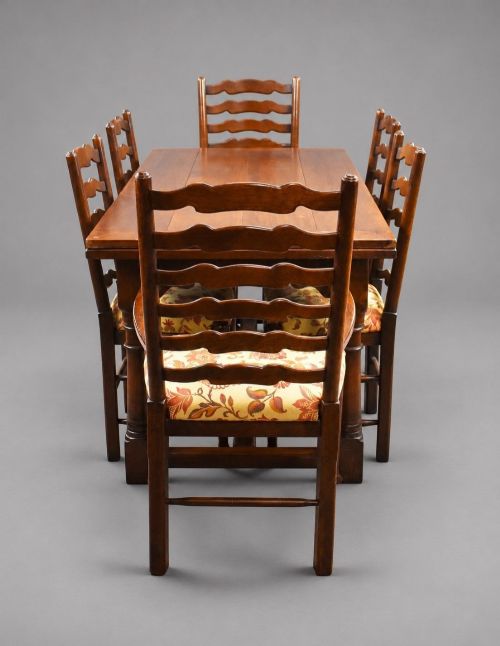
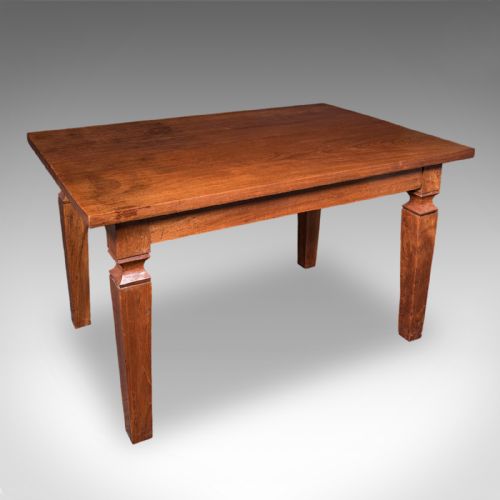
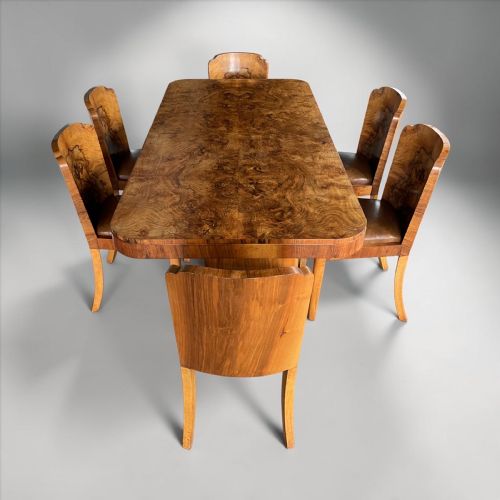
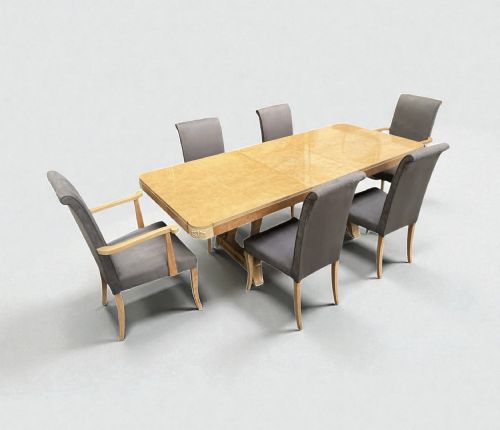
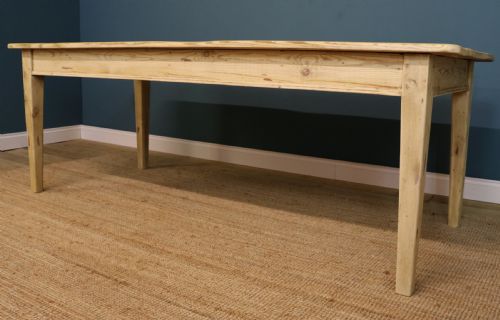
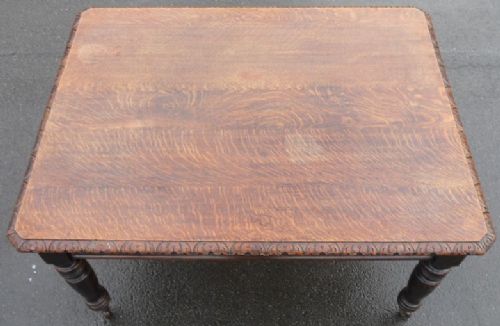
A vintage rectangular dining table covers a broad span of periods and designs, ranging from Victorian oak to Art Deco walnut pieces. These tables serve daily meals and gatherings, shaped by the practical needs of past generations.
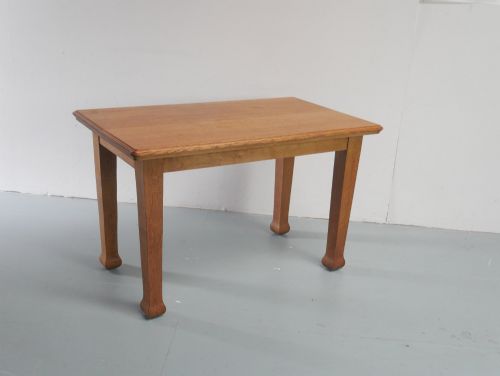
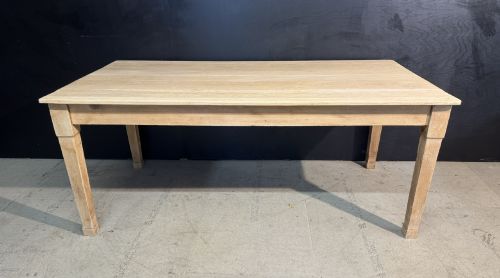
The version most commonly met on this page is the oak or walnut kitchen dining table, often dating from the Edwardian era through the nineteen-thirties. Buyers frequently find extendable models or compact bistro tables suitable for smaller spaces.
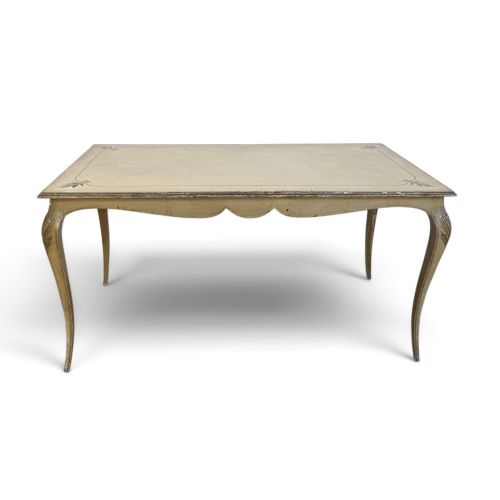
Origins stretch from English workshops to French provincial settings, encompassing styles like Arts and Crafts, rustic farmhouse, and French Louis XV revival. Each piece reflects the architectural and domestic tastes of its specific decade.
Materials and construction methods
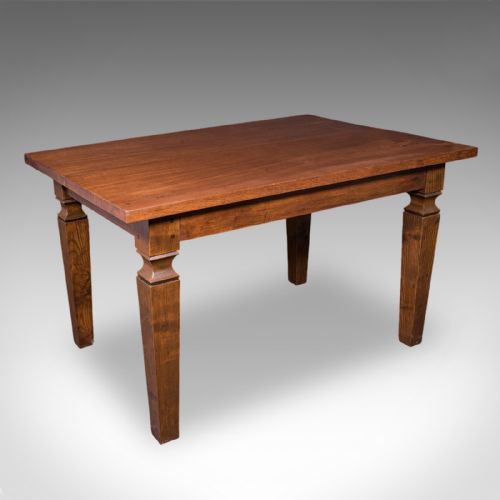
Construction relies heavily on durable hardwoods like oak, walnut, and mahogany, chosen for their strength and grain. Carpenters utilised traditional joinery to build frames that withstand daily use over generations.
Industrial elements appear in pieces combining cast iron bases with wooden tops, particularly in bistro and pub tables. Surface finishes include painted wood, gold leaf details, and polished timber veneers such as burr walnut.
Vintage Rectangular Dining Table Retail Price Guide 2026
Typical asking prices for vintage rectangular dining table among the pieces listed under this phrase on Sellingantiques today, from the lower quarter to the upper quarter. They describe what is for sale here now, not the wider market.
Listings feature oak and walnut predominantly, alongside mahogany, cast iron, and painted wood surfaces spanning the nineteenth and twentieth centuries.
Evaluating build and finish
Quality separates through the selection of timber and the precision of the joinery, distinguishing sturdy period pieces from simpler utility items. Fine examples show careful attention to grain matching and structural stability.
The integrity of secondary materials, such as cast iron scrollwork on bases or retained surface patination, influences the overall character. Original finishes and intact extension mechanisms elevate a piece beyond standard workshop output.
Hille
The Vintage Rectangular Dining Table Glossary
- Refectory table
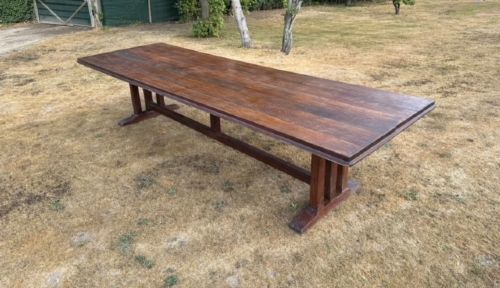
- A long narrow dining table originally built for monastic dining halls. These sturdy tables typically feature heavy timber legs connected by a central stretcher.
- Breakfast table
- A smaller dining or centre table popular during the nineteenth century. These often stand on a central pedestal base with branching feet.
- Bistro table
- A compact small table designed for hospitality settings. They frequently pair a heavy cast iron base with a round or rectangular wooden top.
- Burr walnut
- A veneer sliced from walnut tree growths that produces intricate, swirling grain patterns. Cabinet makers utilised this timber for decorative tabletop surfaces.
Vintage Rectangular Dining Table: Frequently Asked Questions
How do I choose the right size?
Measure your dining space carefully to allow clearance for chairs to pull out comfortably on all sides. Consider whether you need an extending model to accommodate extra guests during occasional gatherings.
Take note of the table width and leg placement, as these factors determine how many chairs fit along the length of the rectangular top.
Can I use these for daily dining?
Most of these tables were built for daily domestic use and handle routine family meals with ease. Hardwood surfaces in oak and walnut offer strong resistance to normal wear.
Using placemats and coasters helps protect historic timber finishes from heat marks and moisture over time.
How do I tell Edwardian from Victorian?
Victorian pieces often feature heavier carved details, darker polished woods, and robust proportions reflecting mid-nineteenth-century taste. Oak and mahogany dominate this earlier period.
Edwardian furniture tends to display lighter frames, simpler lines, and a greater emphasis on walnut or lighter oak finishes as domestic interiors opened up.
What maintenance do old wood surfaces need?
Regular dusting with a soft, dry cloth prevents particulate buildup on polished timber surfaces. Applying appropriate beeswax periodically nourishes the wood and maintains a gentle sheen.
Avoid placing wooden tables near direct heat sources or strong sunlight to prevent the timber from drying out or splitting.