

Vintage Reading Desk
A vintage reading desk requires proper illumination and a comfortable chair, bringing together lamps, magnifiers and library seating.
Vintage Reading Desk
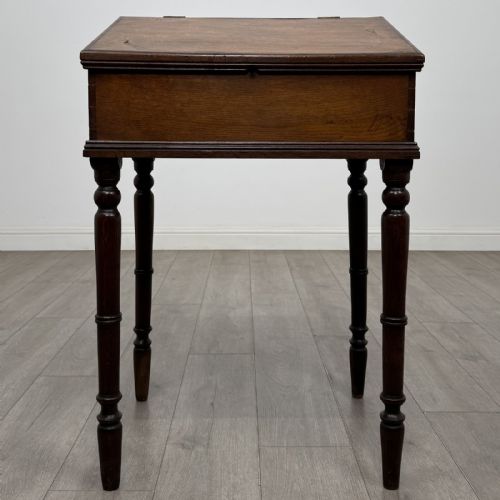
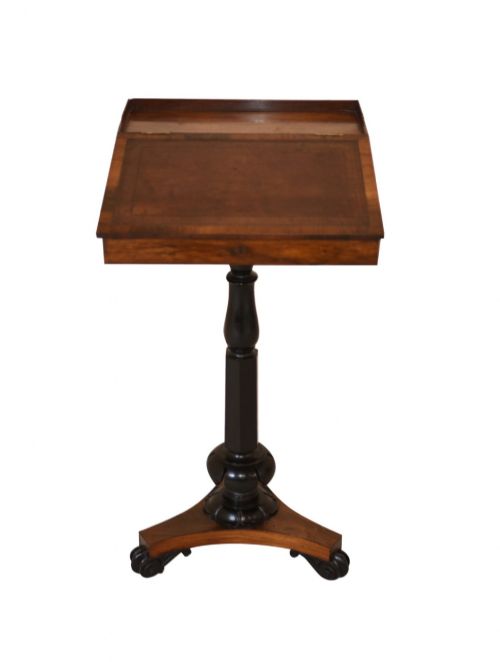
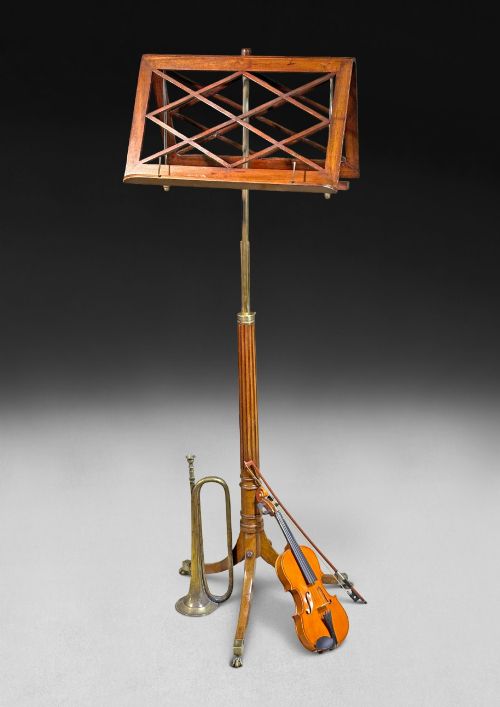
A vintage reading desk setup involves the study furniture and accessories used for reading, writing and consulting large volumes. The pieces found here span the nineteenth century through the mid twentieth century, encompassing utilitarian library items and decorative study accessories.
The most common forms on this page include brass table lamps, mahogany library armchairs, magnifying glasses and revolving bookcases. These items originate from Victorian, Edwardian, Regency and Art Deco periods, reflecting the changing tastes in domestic and institutional study spaces over time.
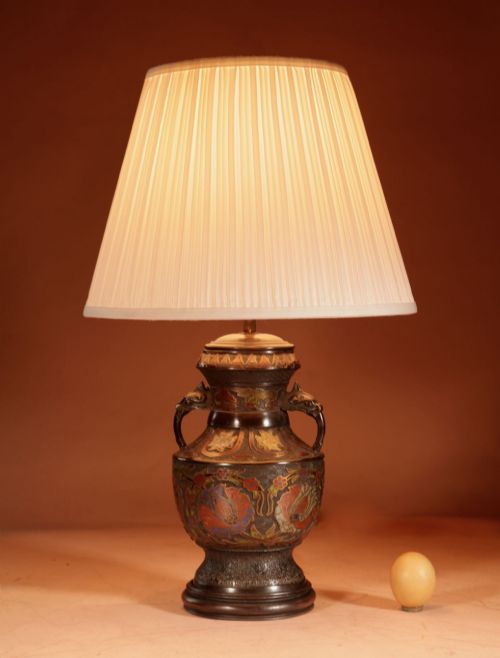
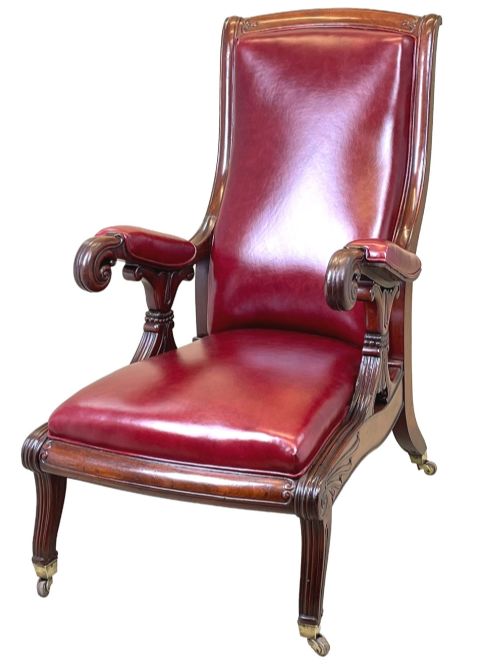
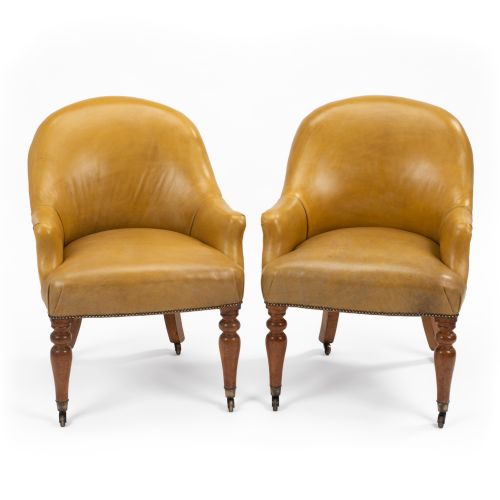
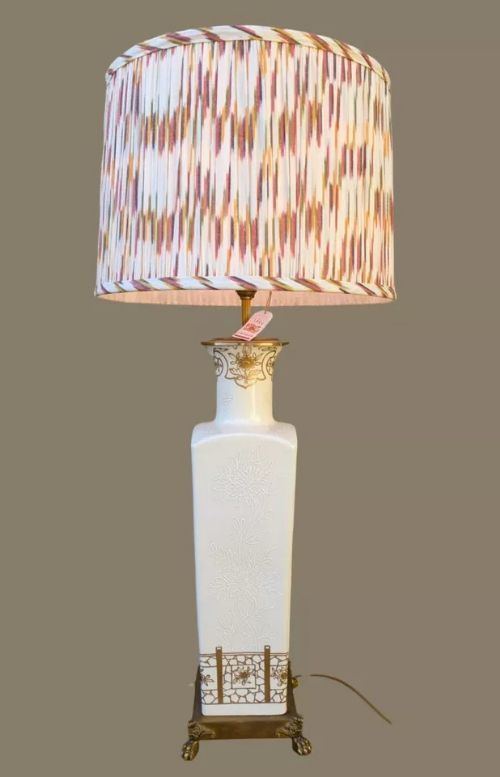
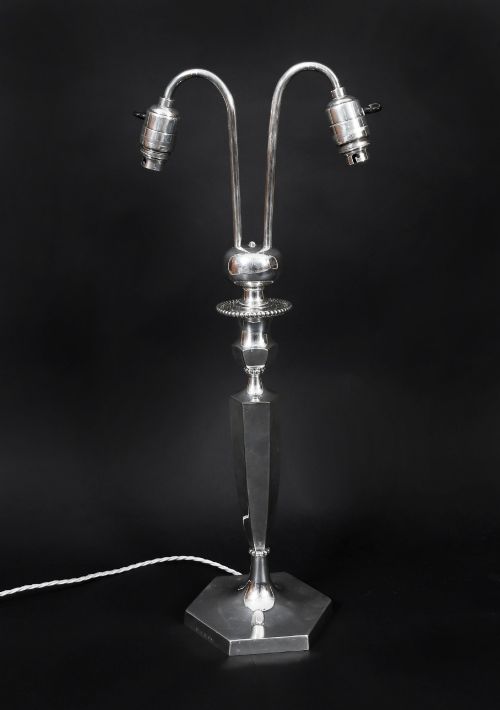
Seating ranges from cane tub chairs to leather upholstered library armchairs in mahogany and walnut. Lighting is represented by cast brass column lamps, silver plated Corinthian designs and adjustable wall or table lights.
Materials and construction
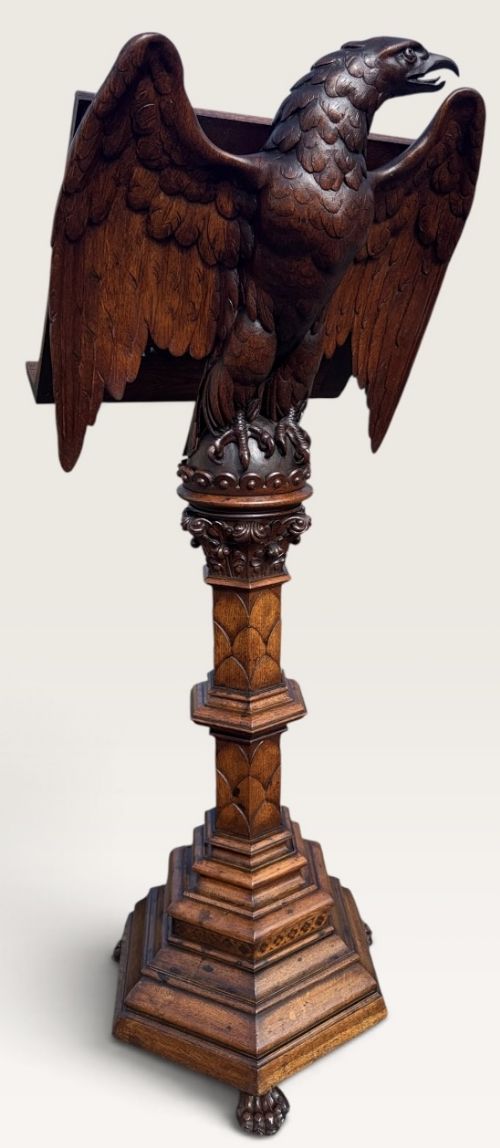
Timbers such as mahogany, walnut and rosewood form the structure of the library armchairs and revolving bookcases, often joined with traditional cabinetmaking techniques. Solid oak is utilised for carved lecterns and structural elements.
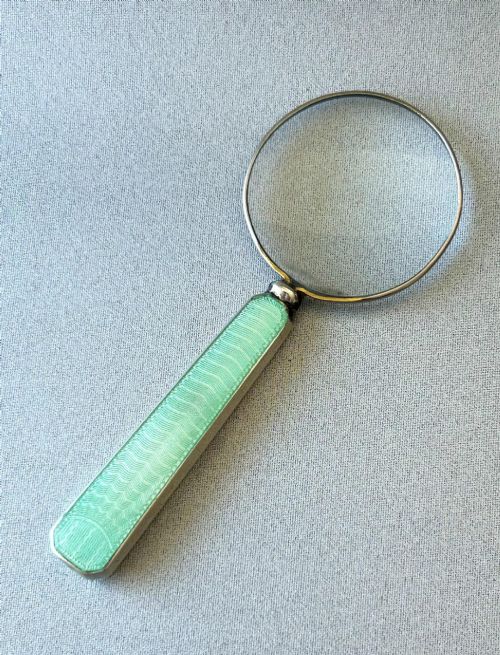
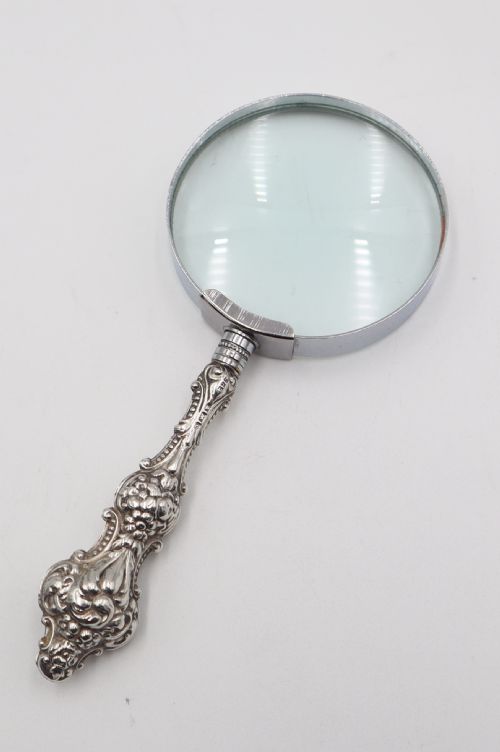
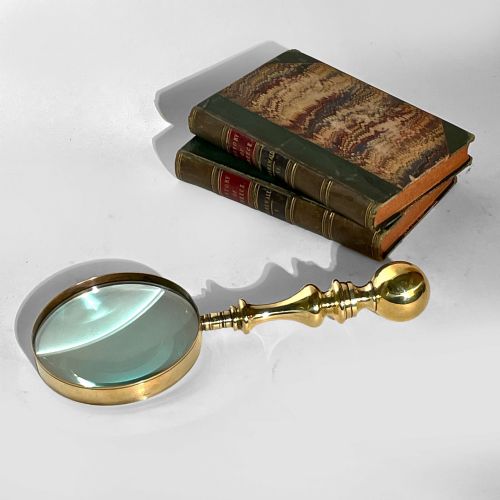
Metalwork relies heavily on cast brass, silver plate and patinated bronze, shaped into Corinthian columns, adjustable reading lights and desk magnifiers. Glass lenses, leather upholstery and fabric accents complete the functional components of these study pieces.
Vintage Reading Desk Retail Price Guide 2026
Typical asking prices for vintage reading desk among the pieces listed under this phrase on Sellingantiques today, from the lower quarter to the upper quarter. They describe what is for sale here now, not the wider market.
The periods represented stretch from the Victorian and Regency eras through the Art Deco and mid century years.
Evaluating quality
Quality rests in the weight and purity of the cast brass or silver plating on the lamps and magnifiers, alongside the crispness of classical detailing such as fluted columns. Heavier castings and finer proportions distinguish superior library accessories.
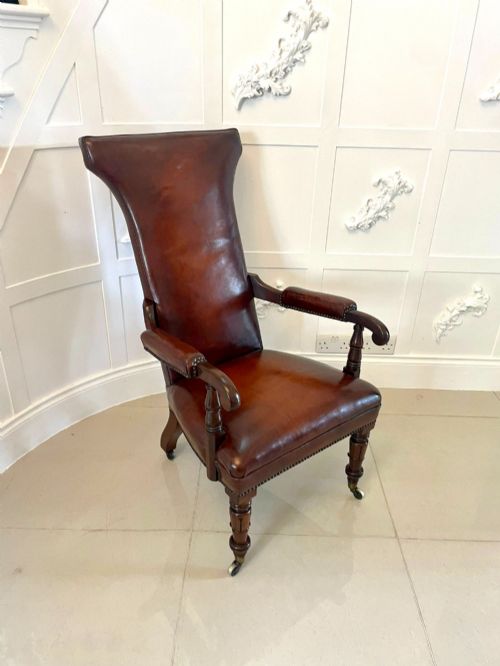
In seating, the distinction lies in the selection of timbers, the integrity of cane work and the quality of leather upholstery. Pieces retaining original patination and robust joinery stand apart from lesser examples.
Hermes Paris·W.A.S. Benson·Eileen Grey
The Vintage Reading Desk Glossary
- Corinthian column
- A classical architectural column form frequently utilised for nineteenth and twentieth century table lamps. The capital is decorated with acanthus leaves.
- Tub chair
- An armchair with a rounded back that curves continuously into the arms. These are frequently encountered in mahogany or cane for library use.
- Revolving bookcase
- A freestanding tiered bookcase mounted on a hidden rotating pivot base. This allows multiple volumes to be accessed from a seated position.
- Optimus lens
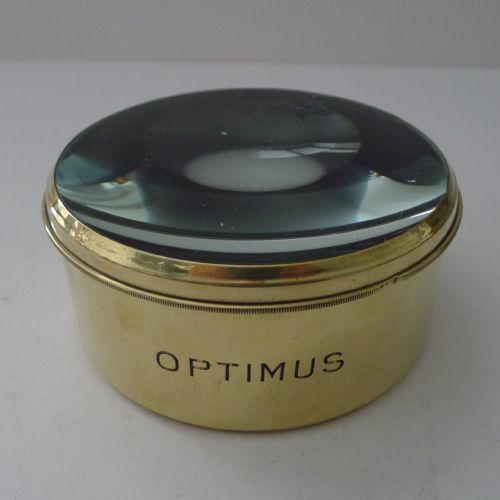
- A specific historical designation for high quality optical magnifying glasses used in library settings. These lenses provide clear, distortion free magnification.
- Bakelite
- An early synthetic thermosetting plastic developed in the early twentieth century. It appears on modernist and Art Deco desk lamp components.
Vintage Reading Desk: Frequently Asked Questions
What defines a library armchair?
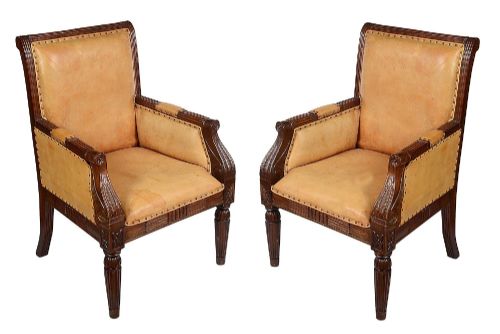
A library armchair is built for prolonged reading, typically featuring supportive upholstered arms and a generous seat. These chairs utilise dense hardwoods such as mahogany and walnut to ensure structural longevity.
Leather and cane are the primary materials for the seating surfaces, offering durability and comfort in a study environment.
How do I identify a Corinthian lamp?
Corinthian lamps are recognised by their distinctive column capitals adorned with carved acanthus leaves and scroll details. This classical architectural style became popular for nineteenth century brass and silver plated lighting.
They frequently appear as tall table lamps designed to illuminate reading desks and library tables.
Where were revolving bookcases used?
Revolving bookcases were placed beside desks or armchairs to keep reference books and dictionaries within arm's reach. Their rotating mechanism allowed users to select volumes without standing up.
Mahogany and Edwardian hardwoods are the standard materials found in these practical study items.