






Vintage Qing Table
These vintage qing table pieces bring centuries of craftsmanship and rich materials into modern rooms through low tables, plant stands, and occasional furniture.
Vintage Qing Table
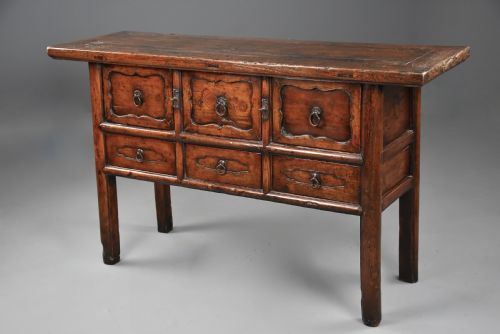
A vintage qing table encompasses low coffee tables, altar tables, console tables, and plant stands rooted in traditional Chinese designs. The selection relies heavily on pieces originating from the nineteenth century alongside items dated around nineteen hundred.
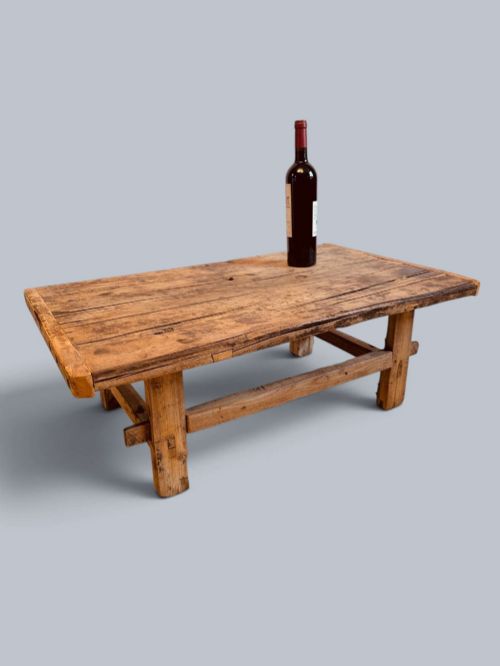
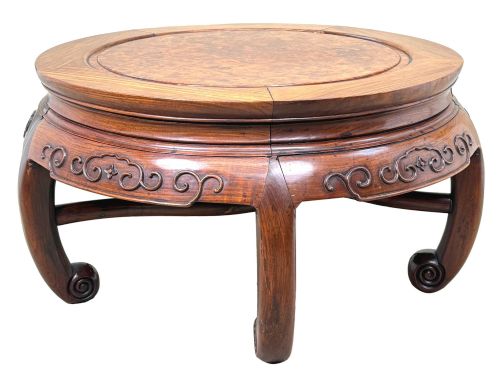
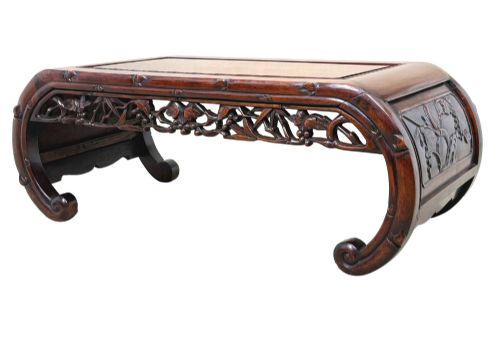
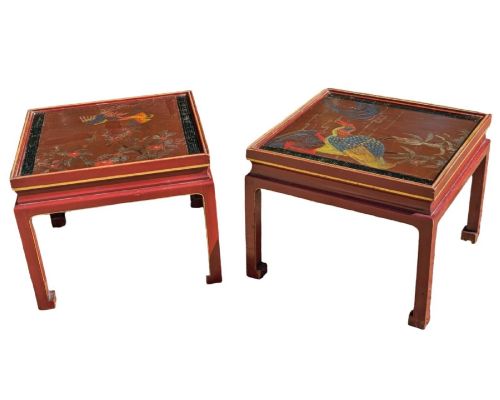
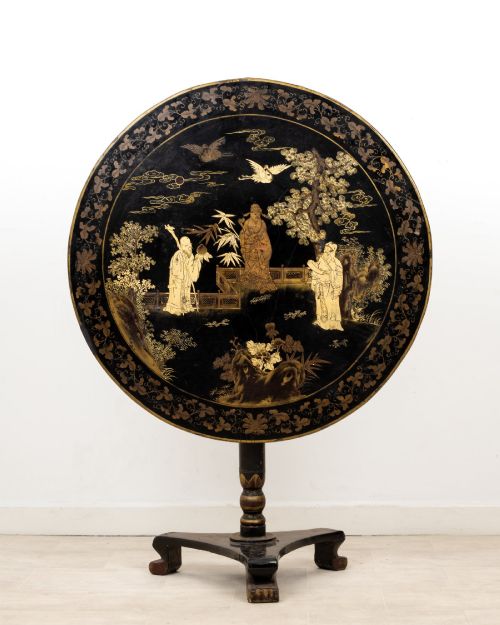
Buyers frequently encounter hardwood coffee tables, marble top plant stands, and lacquered occasional furniture in this category. These forms reflect centuries of Chinese export craftsmanship adapted for domestic use.
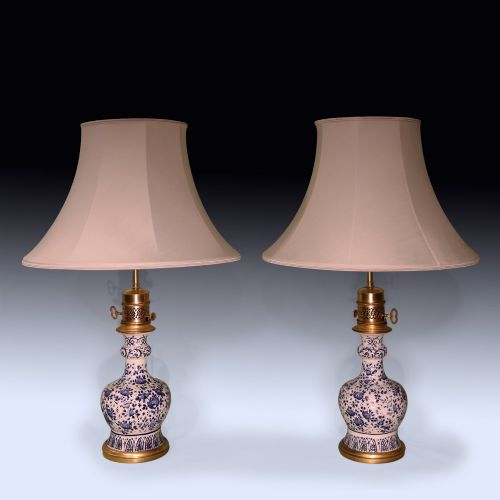
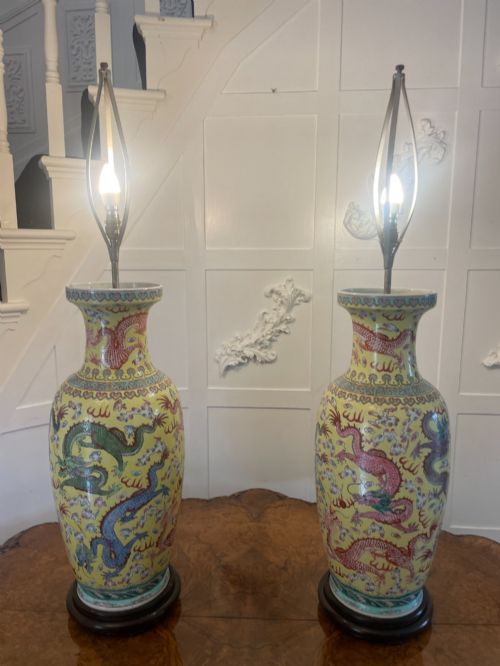
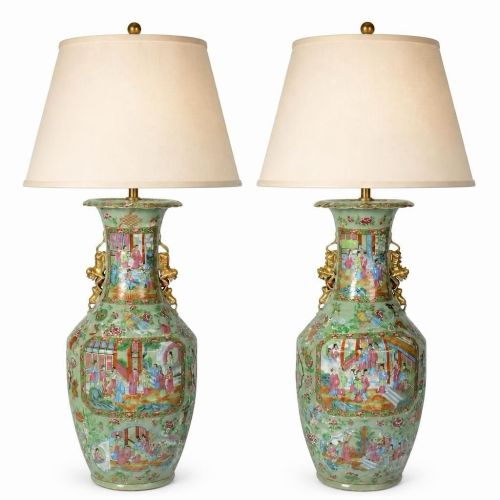
The objects span varied domestic functions, ranging from opium tables and side tables to intricately carved root wood or porcelain lamp bases mounted on wooden stands.
Materials and Technique
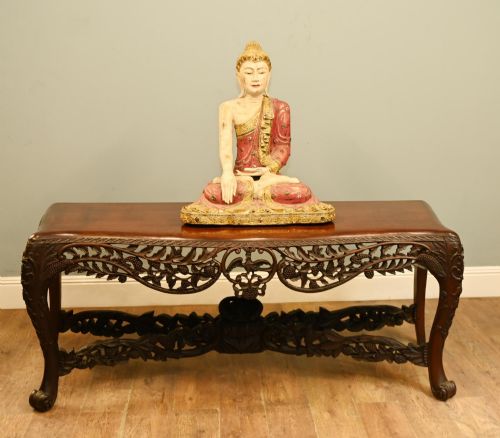
Construction heavily utilises dense hardwoods like rosewood and elm, often paired with inset rouge marble or porcelain panels. Artisans also employed traditional lacquer techniques, mother-of-pearl inlay, and cloisonne enamel work on brass bases.
Joinery methods prioritize traditional framing without metal fasteners, allowing dense timbers to expand and contract naturally. Carved root wood, detailed brass mounts, and silk inserts further demonstrate the specialised techniques applied across these items.
Vintage Qing Table Retail Price Guide 2026
Typical asking prices for vintage qing table among the pieces listed under this phrase on Sellingantiques today, from the lower quarter to the upper quarter. They describe what is for sale here now, not the wider market.
Listings feature items dated across the nineteenth century, eighteen-eighty, eighteen-sixty, and nineteen hundred, utilising hardwood, elm, marble, porcelain, and brass.
Assessing Quality
Quality rests upon the depth and precision of the wood carving, the integrity of inlaid mother-of-pearl, and the preservation of original lacquer finishes. Superior examples maintain crisp detailing on carved motifs without heavy restoration obscuring the timber's grain.
The selection of materials marks another division, with solid rosewood and substantial marble inserts standing apart from simpler elm constructions. Surface patination and the original condition of brass mounts or cloisonne enamel distinguish exceptional pieces from ordinary examples.
The Vintage Qing Table Glossary
- Hardwood
- Dense timber such as rosewood or elm utilised in traditional Chinese furniture making. These materials provide structural stability and take fine, intricate carving.
- Cloisonne
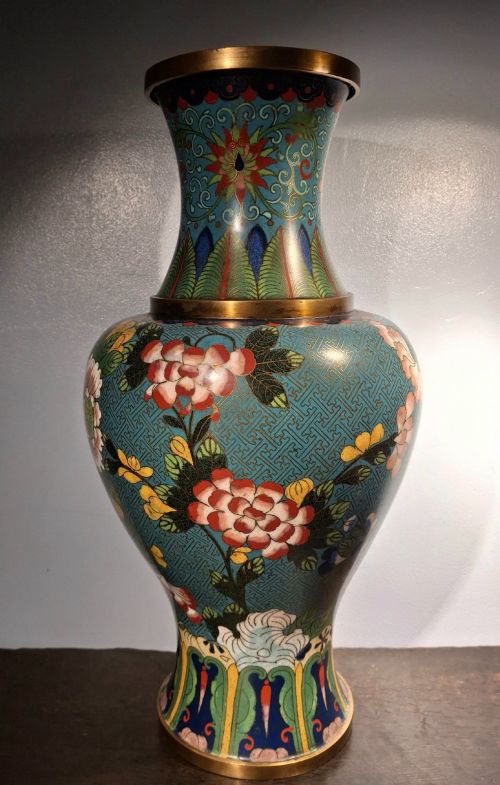
- Enamel work created by pouring coloured pastes into compartments formed by soldered metal wires on a brass or bronze base. This technique appears on decorative plaques and vase lamps.
- Famille Verte
- A palette of green enamels dominant in Chinese porcelain decoration, often featuring floral or figural scenes. Pieces decorated this way frequently appear converted into table lamps.
- Opium Table
- A low rectangular or square table traditionally used in domestic settings for resting items or social use. These low tables form a distinct category of vintage qing table designs.
- Jardiniere Stand
- A small pedestal or table designed specifically to elevate plant pots or decorative vases. They often feature inset marble tops and carved wooden aprons.
Vintage Qing Table: Frequently Asked Questions
What is a vintage qing table?
A vintage qing table covers low coffee tables, altar tables, side tables, and stands originating from the nineteenth century or around nineteen hundred.
These pieces reflect traditional Chinese forms constructed from hardwoods, elm, or lacquered wood, often featuring marble inserts or mother-of-pearl inlay.
How were these tables used?
Original uses varied from serving low seating arrangements as opium or coffee tables to functioning as altar tables and display surfaces for plants and vases.
Many low tables and stands served practical roles in domestic interiors for holding lamps, ceramics, and decorative objects.
How do I style a vintage qing table?
These tables integrate into contemporary spaces as coffee tables, plant stands, or occasional surfaces that anchor a room with rich timber textures.
Their compact scale and detailed carvings allow them to function independently or alongside modern furniture without dominating a space.
How do I identify the period?
Dating relies on construction methods, timber patination, and stylistic markers associated with nineteenth-century Chinese export workshops.
Examining the joinery, lacquer wear, and integration of materials like marble or brass helps distinguish nineteenth-century examples from later adaptations.