

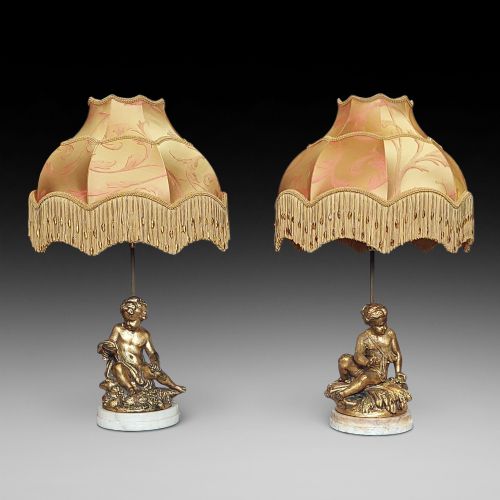


Vintage Putto Lamp
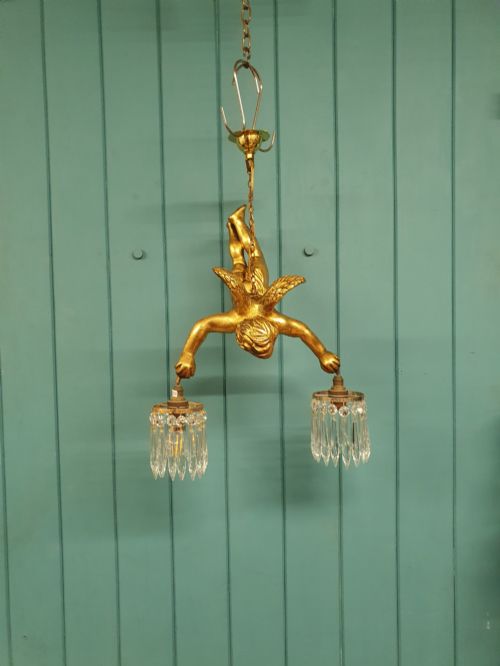
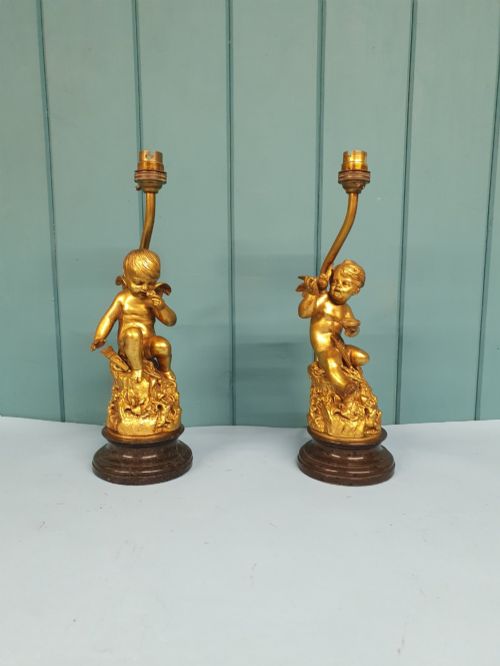
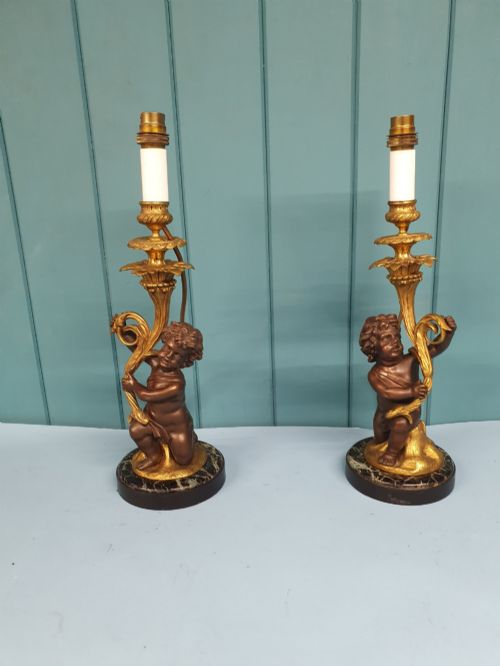
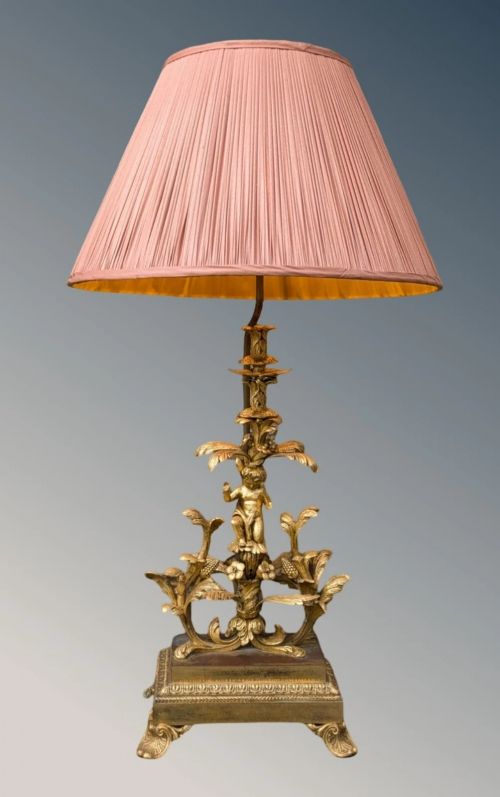
A vintage putto lamp brings sculptural charm and warm illumination into a room, featuring winged figures rendered in bronze, porcelain, and gilt metal.
Vintage Putto Lamp
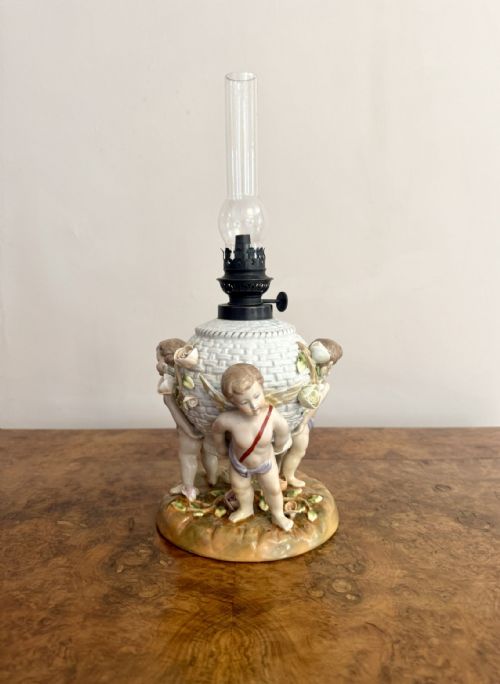
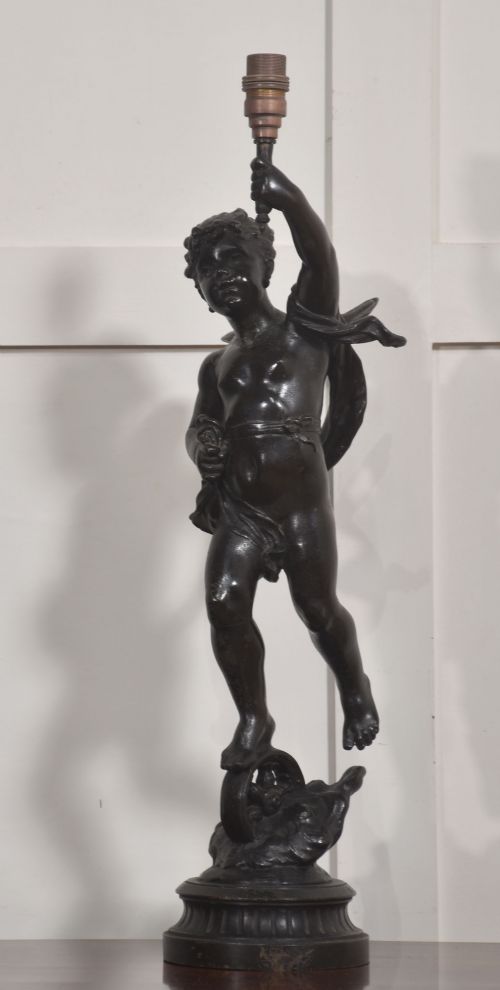
When you search for a vintage putto lamp, you encounter a diverse array of lighting forms featuring winged cherubic figures. These pieces range from substantial nineteenth-century bronze statuettes converted to electricity to early twentieth-century porcelain and brass table lamps.
The selections on this page span several decades and styles, heavily featuring French Rococo Revival, Neoclassical, and Continental Baroque influences. You will frequently find pairs of table lamps or wall sconces alongside individual monumental lamp bases.
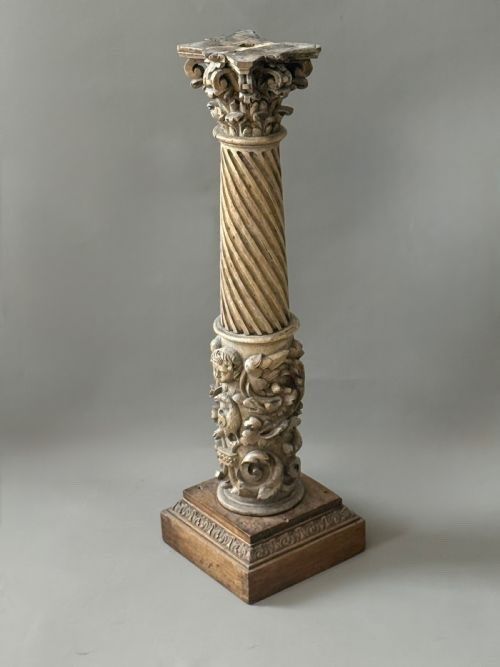
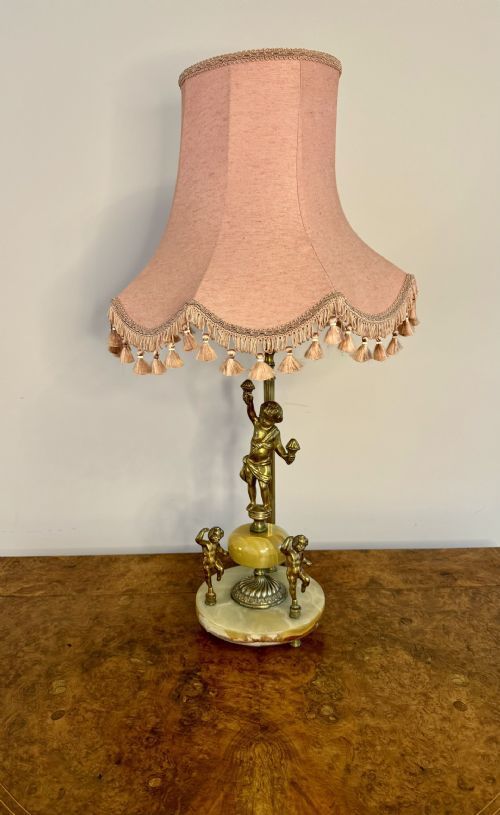
Makers and manufacturers utilised varied materials to depict these celestial infants, incorporating marble, alabaster, onyx, and carved wood. Many pieces integrate fabric shades or cut glass crystal elements to complement the figurative metalwork.
How they were made
Artisans employed traditional casting methods such as lost-wax bronze casting or spelter moulding to shape the intricate putto figures. These metal elements were frequently gilded, patinated, or finished in ormolu to achieve a luxurious surface sheen.
Porcelain examples, such as those from Sitzendorf or Italian maiolica workshops, required careful firing and hand-painting before being mounted onto metal or stone bases. Stonework components like marble, onyx, and alabaster were turned and polished to support the heavy figural sculptures.
Several cherubs double as dolphins, proving that even mythological infants occasionally need aquatic transport.
What varies in quality
Material selection also dictates overall grade, with heavy patinated bronze, fine porcelain, and genuine marble commanding greater presence than lighter moulded plaster or basic brass. The integration of original decorative elements like toleware shades or cut glass crystals elevates the integrity of the completed piece.
Sitzendorf·Moreau
The Vintage Putto Lamp Glossary
- Putto
- A figure of a human baby depicted as a chubby male child, frequently winged, often seen in Renaissance and later revival decorative arts. These cherubic motifs form the central sculptural element of the lamps.
- Ormolu
- Gilded bronze, typically produced by applying a finely ground high-carat gold-mercury amalgam to a bronze object. This technique imparts a rich, lasting golden sheen to the metal mounts.
- Spelter
- A zinc alloy used as a less expensive substitute for bronze in decorative figures. It is easily cast and finished to resemble bronze or gilt metal.
- Torchère
- A tall ornamental stand or lamp designed to resemble a torch or candleholder. These pieces often incorporate figurative standards holding light sources aloft.
Vintage Putto Lamp: Frequently Asked Questions
What is a putto lamp?
A putto lamp is a decorative lighting fixture that incorporates the sculptural figure of a cherub, putto, or winged infant into its base or structural arms.
These pieces function primarily as table lamps, wall sconces, or oil lamps, combining figural art with functional illumination.
How old are these lamps?
The pieces available range from nineteenth-century antiques to early twentieth-century Edwardian and Art Deco designs. Victorian and Continental Baroque revival styles also feature prominently across the collection.
Dates generally span the 1850s through the 1930s, reflecting various historicism movements.
Were these originally electric?
Many older examples started life as oil lamps, gas fixtures, or decorative bronze statuettes before being converted to electricity later in their lifespan. Others were manufactured specifically as electric lamps during the early twentieth century.
Conversion methods vary depending on the age and original purpose of the object.
How do I style a putto lamp?
These ornate lamps work well as statement pieces on sideboards, mantels, or large bedside tables where their sculptural form can be fully appreciated. Pairing them with complementary fabric shades helps balance the weight of the metal or porcelain bases.
They anchor traditional, eclectic, or maximalist interior schemes effectively.