


Vintage Pub Stool
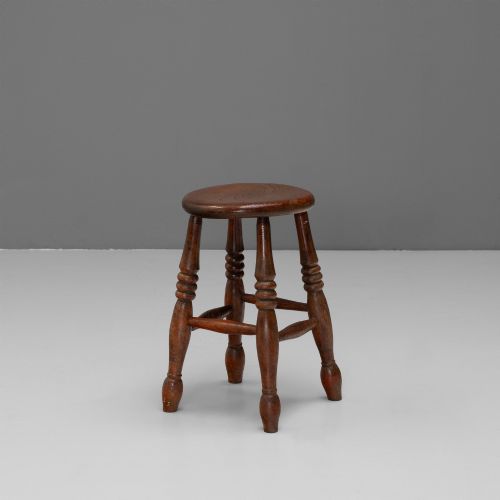
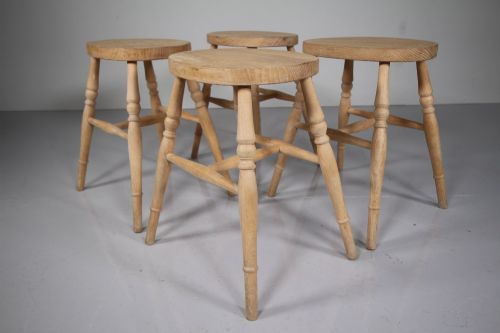
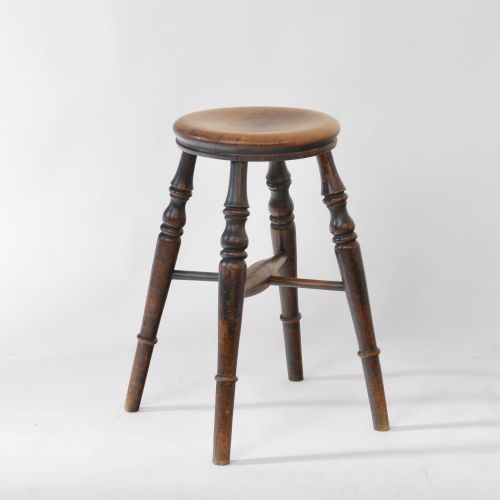
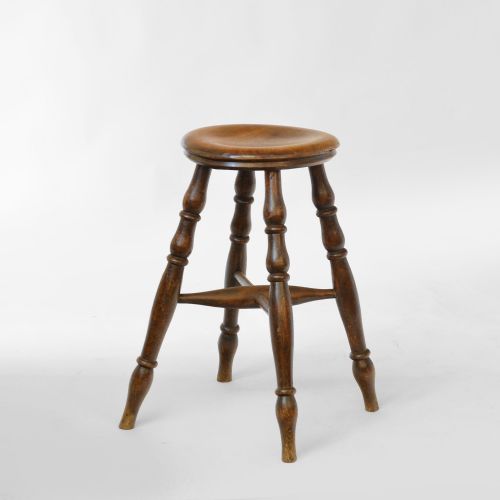
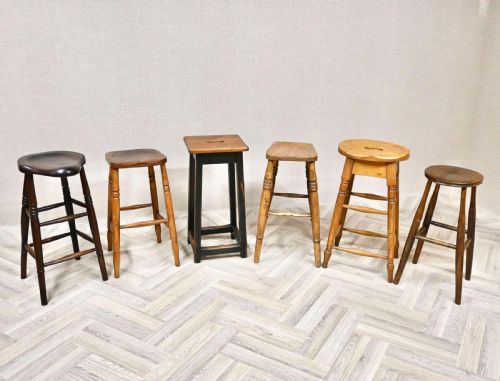
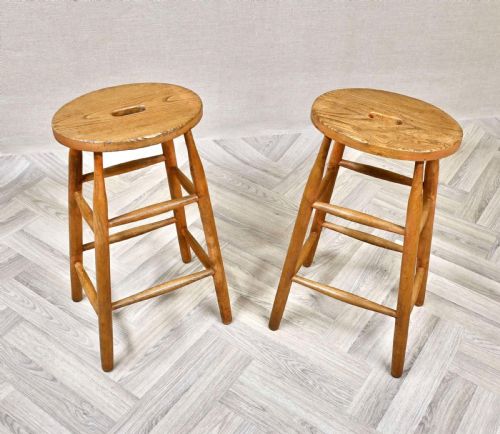
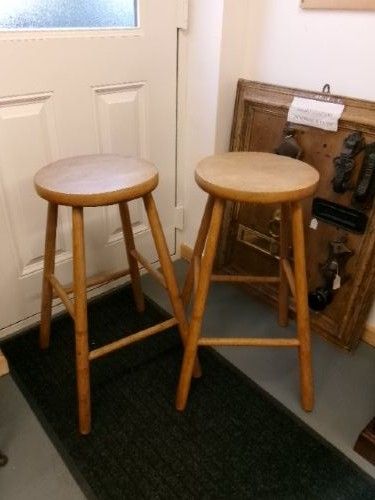
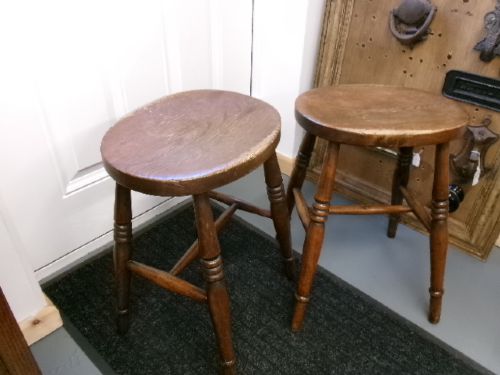
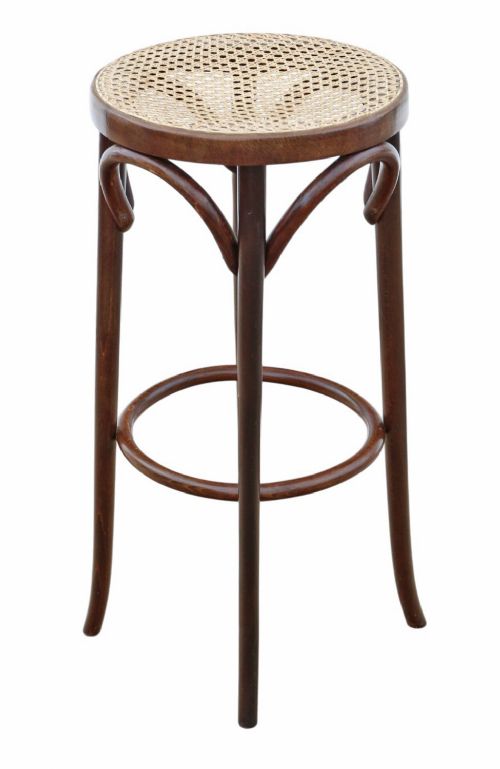
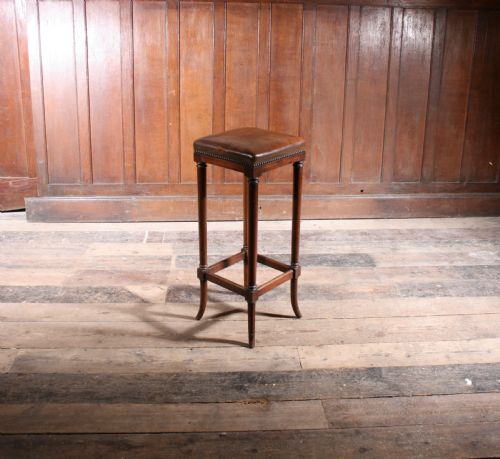
These vintage pub stool examples are sturdy vernacular seats built for public houses and alehouses, offering honest character and practical height.
Vintage Pub Stool
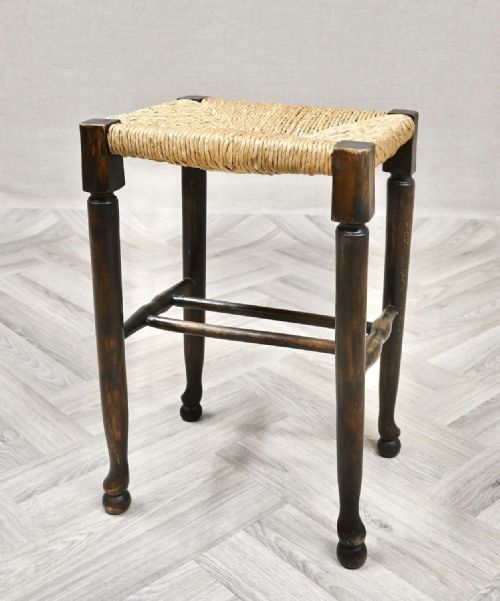
A vintage pub stool is a utilitarian seat designed for taverns, alehouses, and rural pubs, appearing here in forms such as tall bar stools, tavern stools, and clerk's stools. Buyers searching for a vintage pub stool will encounter robust seating shaped by practical demands rather than courtly fashion.
The pieces on this page span the nineteenth century through the 1940s, drawing on Victorian country, Edwardian country, and rustic farmhouse traditions. You will frequently find sycamore, elm, and beech timbers shaped into tall bar seating or dining stools.
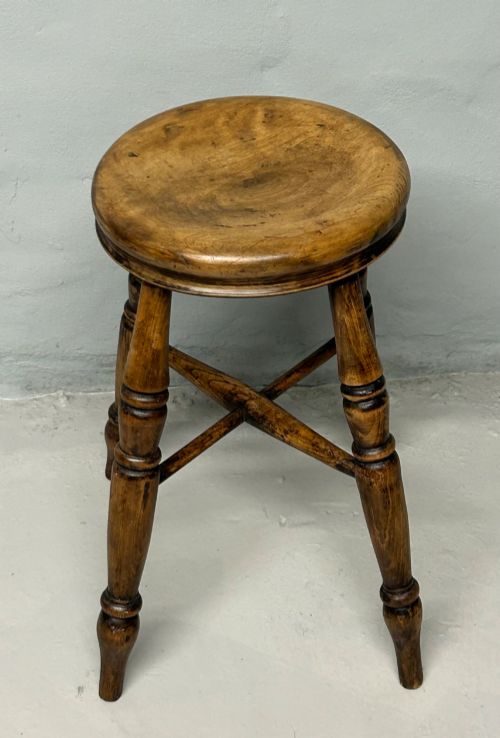
Makers produced these objects for steady commercial use, resulting in sturdy footrests, dished seats, and turned supports. The inventory leans heavily toward nineteenth-century origins and traditional English country styles.
Materials and construction methods
Turned beech and solid elm form the backbone of these pieces, providing the dense grain required to withstand heavy tavern traffic. Craftsmen utilised solid pine, sycamore, and birchwood for turned legs and thick wooden tops.
Joinery relied on traditional methods like turned spindles and wedged tenons to keep tall frames rigid. Makers often dished the wooden seats to improve comfort during long hours at the bar or high desk.
Mill workers and clerks once perched on these very seats before they found a second life pulling up to modern kitchen islands.
Factors that define quality
Subtleties in timber selection and turning detail separate standard utilitarian seating from finer examples. Grain patterns in elm tops and the crispness of turned beech legs reveal the hand of a more careful maker.
Structural integrity and the retention of original surface patination dictate the standing of each piece. Minimal replacement of structural members preserves the authentic character developed through decades of tavern service.
The Vintage Pub Stool Glossary
- Dished top
- A wooden seat hollowed into a shallow concave shape to fit the user. This shaping provides comfort without the need for upholstery.
- Vernacular furniture
- Everyday objects made by local tradesmen for specific practical tasks rather than high-style design. These pieces prioritize function and local materials above all else.
- Turned wood
- Timber shaped on a lathe by rotating it against cutting tools. This technique created the slender legs and stretchers found on tall bar seating.
- Alehouse stool
- A low or high seat designed for drinking establishments before the modern pub era. They were built heavy to endure rough handling by patrons.
Vintage Pub Stool: Frequently Asked Questions
Are these stools comfortable to sit on?
The wooden tops are often shaped with a slight hollow to make sitting more comfortable over longer periods. Many people use them daily at kitchen islands or high breakfast bars.
While they lack soft padding, their ergonomic dishing and sturdy footrests offer surprising support for casual seating.
How do I care for wooden seats?
Keep the wood conditioned with a traditional wax to protect the dry surface from moisture and everyday wear. Avoid placing them near direct heat sources that could cause the timber to split.
Routine dusting and occasional buffing will maintain the deep patina built up over decades of use.
Can I use these at a kitchen island?
Many examples are built to a tall bar height, making them well-suited for modern kitchen counters and raised breakfast bars. Their narrow footprints allow them to tuck neatly beneath overhangs when not in use.
Check the specific height dimensions of each piece to ensure a comfortable clearance for your legs.
How do I date an old stool?
Look closely at the tool marks, timber species, and the style of the turned legs to determine the era of manufacture. Nineteenth-century examples often display hand-turned components and deep patination on the seat.
Later pieces from the early twentieth century may show slightly more standardised machining while retaining solid hardwood construction.