



Vintage Pub Furniture
Vintage pub furniture brings robust character into the home through honest utility and enduring materials.
Vintage Pub Furniture
Vintage pub furniture encompasses sturdy seating, heavy tables, and architectural fittings designed for commercial hospitality spaces. Buyers searching for vintage pub furniture seek authentic pieces that carry the marks of heavy public use.
Origins span English country settings and urban taverns, utilising robust timbers and metalwork. These utilitarian items now serve domestic interiors as striking focal points.
How these pieces were made
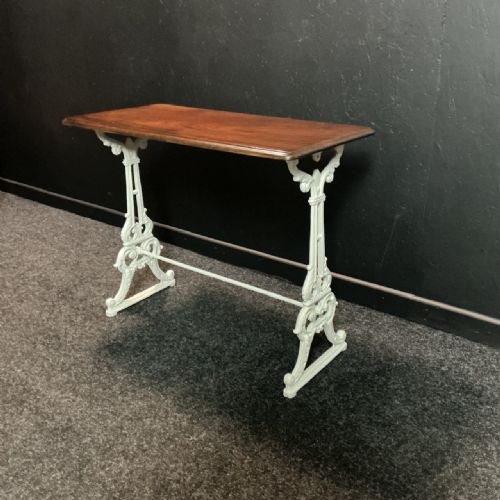
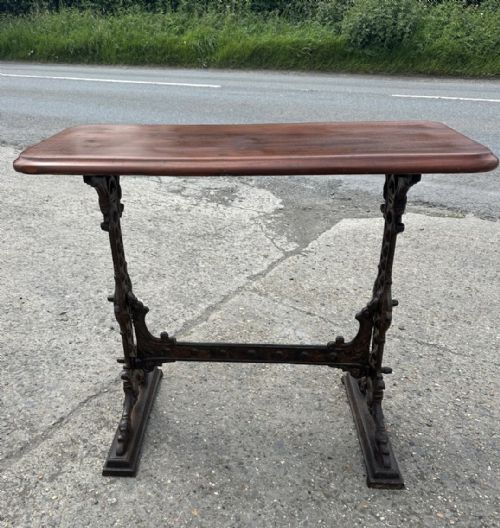
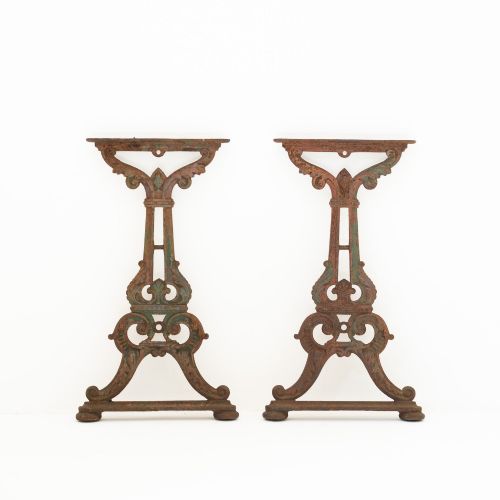
Construction relies heavily on durable combinations of cast iron, mahogany, pine, and beech. Cast iron bases provide the necessary weight and stability for busy public environments.
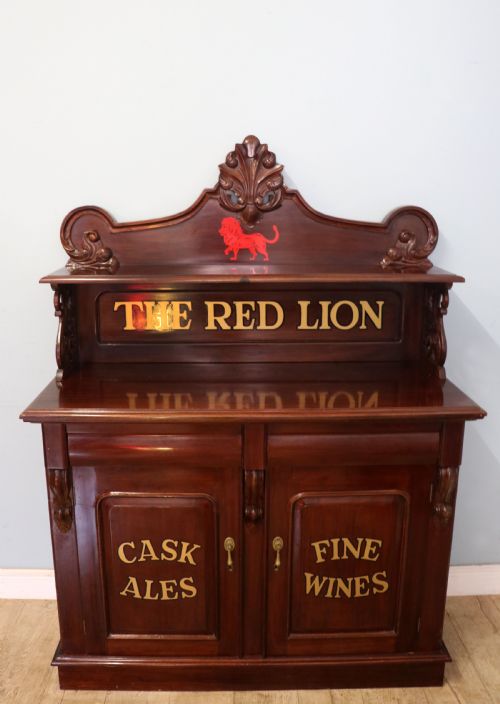
Wooden elements incorporate solid timbers like sycamore, elm, and pitch pine, shaped for daily wear. Painted finishes and natural wood patinas develop organically from years of service in alehouses and public spaces.
Current listings feature nineteenth-century cast iron, mahogany, pine, and sycamore configured into tables, benches, and tavern stools.
Judging quality in tavern pieces
Quality rests upon the originality of components and the depth of surface wear. Pieces retaining their original timber tops paired with stamped or moulded iron bases command greater interest.
Structural integrity matters deeply in pieces subject to heavy historical usage. Examples featuring uncompromised joinery and honest patination distinguish themselves from heavily restored alternatives.
The Vintage Pub Furniture Glossary
- Britannia
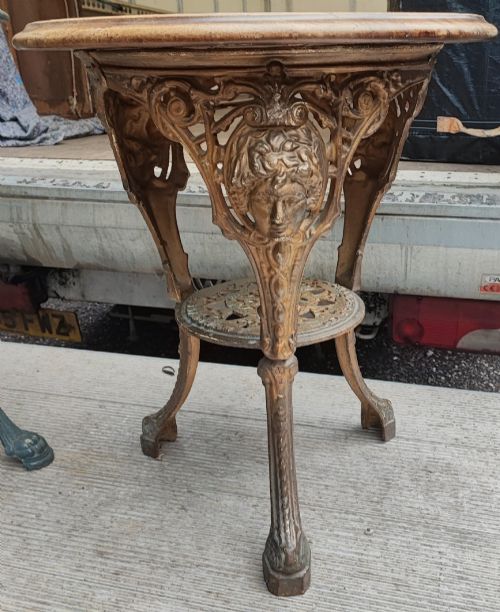
- A classic pub table design featuring a heavy cast iron base, often cast in the figure of Britannia. This form became a staple of British taverns during the Victorian period.
- Tavern stool
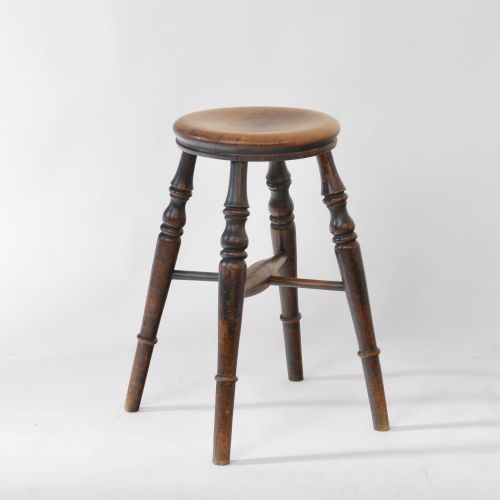
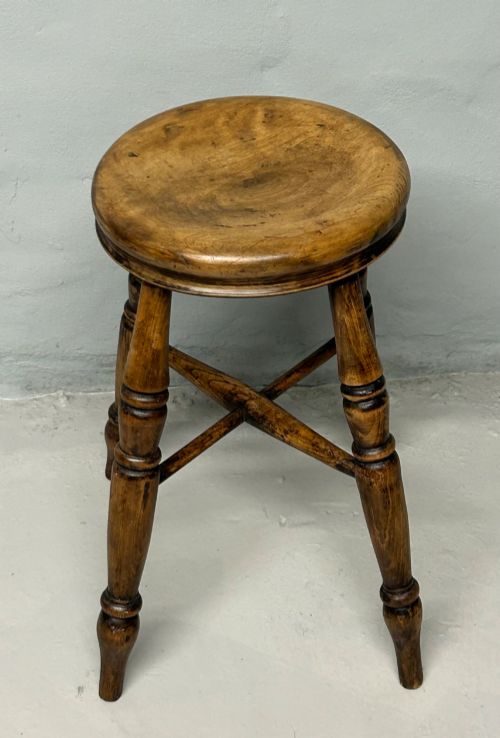
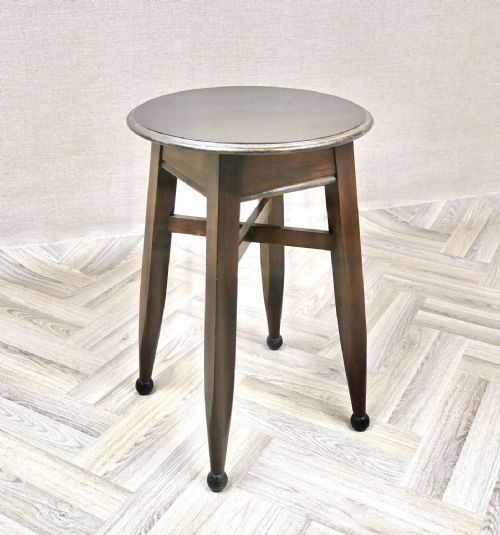
- A tall or low seating form constructed without a back, designed for shifting space around crowded bars. They typically employ robust woods like beech, elm, or sycamore.
- Cast iron base
- The heavy metal support beneath a pub table, engineered to prevent tipping in busy social settings. These bases frequently display intricate Victorian moulding or classical revival motifs.
- Alehouse
- A traditional establishment focused on the sale and consumption of beer. Furniture from these sites was built strictly for utilitarian endurance rather than delicate display.
Vintage Pub Furniture: Frequently Asked Questions
How do I clean a cast iron pub table base?
Maintain the metal by gently dusting and applying a light microcrystalline wax to protect the surface from moisture.
Avoid harsh chemical cleaners that strip the historic patina and expose raw iron beneath.
Can I use a vintage tavern bench outdoors?
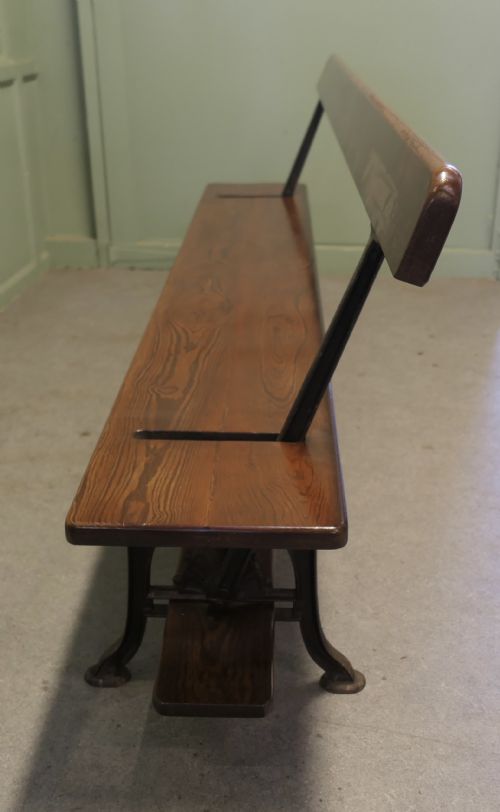
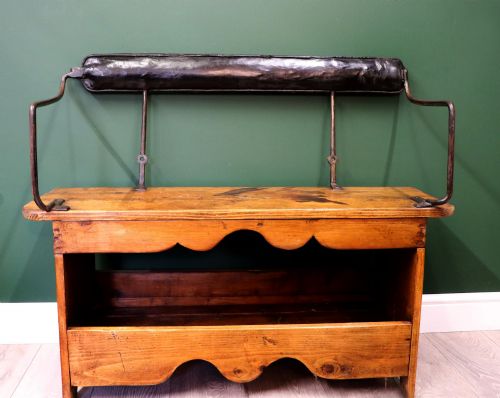
Most surviving tavern benches were constructed for interior use in public houses and lack weather-resistant treatments. Placing them outside exposes pine, beech, and mahogany to damaging dampness.
Keep these pieces within interior spaces or covered conservatories to preserve the timber and historic paint.
What woods were commonly used in Victorian pub furniture?
Joiners utilised sturdy domestic timbers capable of withstanding heavy daily knocks and constant movement. Mahogany and pitch pine appeared frequently on tabletops, while beech and elm formed sturdy structural framing.
Sycamore and pine also served well for everyday seating and secondary surfaces.
How do I date a cast iron pub table?
Examine the complexity of the iron casting and the bolts or fixings securing the top. Victorian examples often display robust classical revival or Britannia designs with registration marks.
Later pieces from the 1930s transition into cleaner Art Deco geometric forms.