

Vintage Print Artwork
These vintage print artwork pieces bring centuries of ink, paper, and hand-drawn character straight to your walls.
Vintage Print Artwork
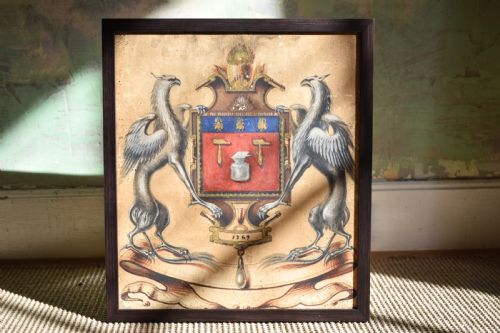
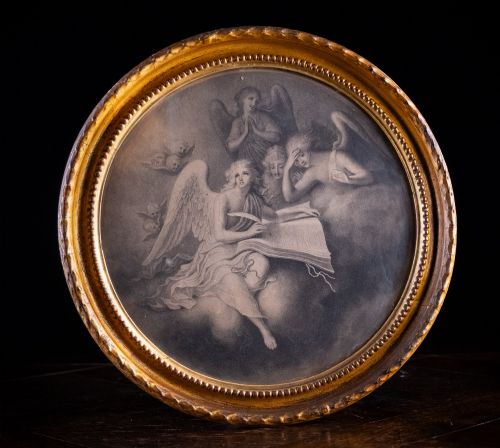
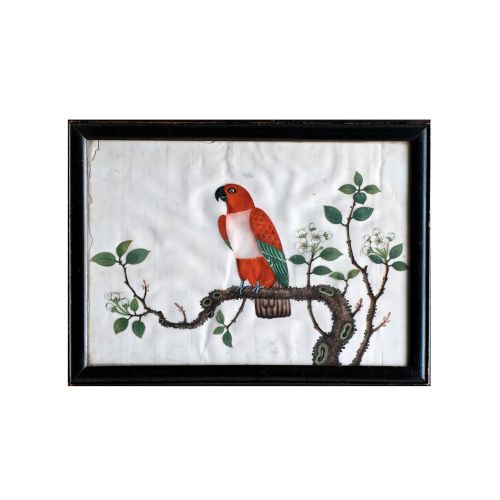
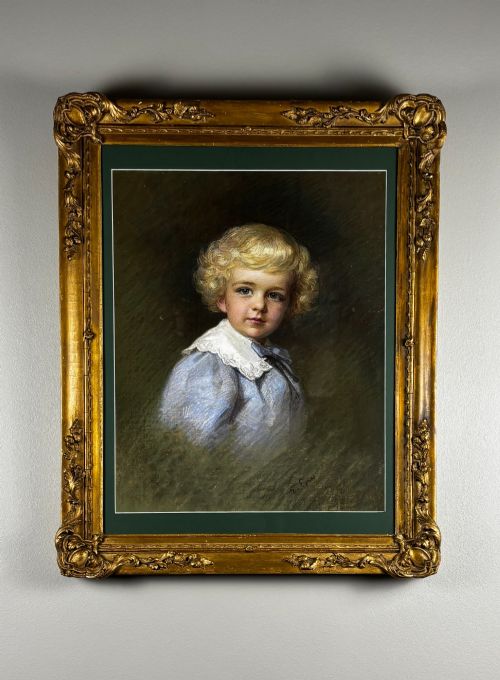
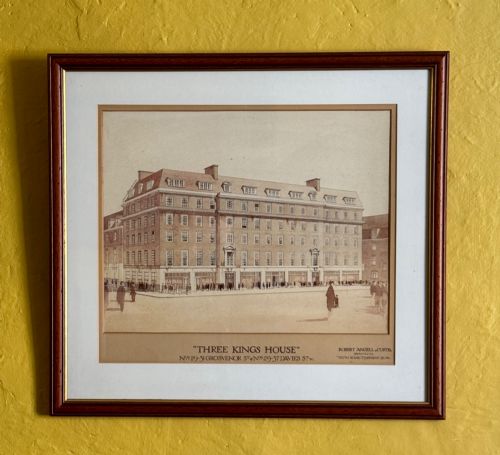
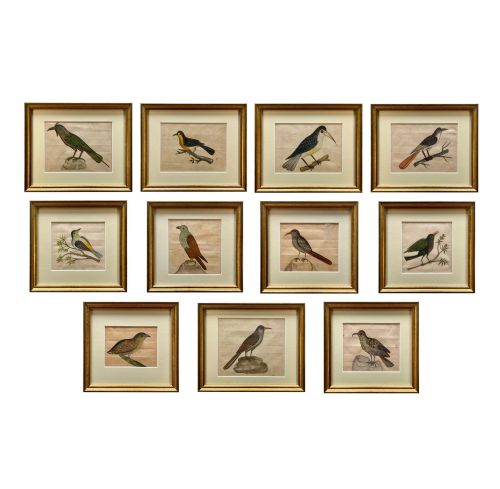
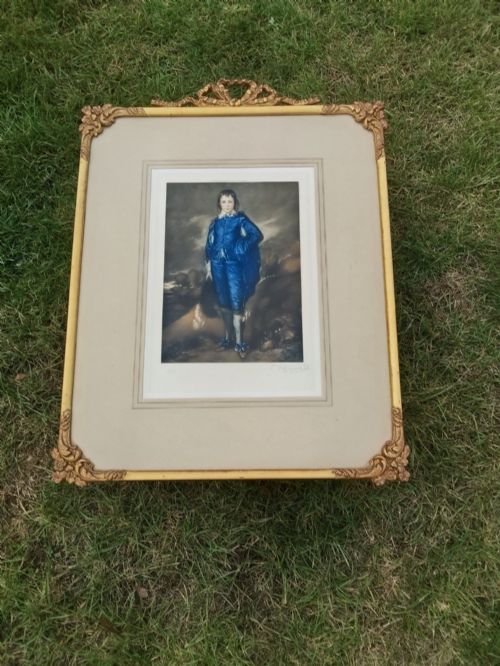
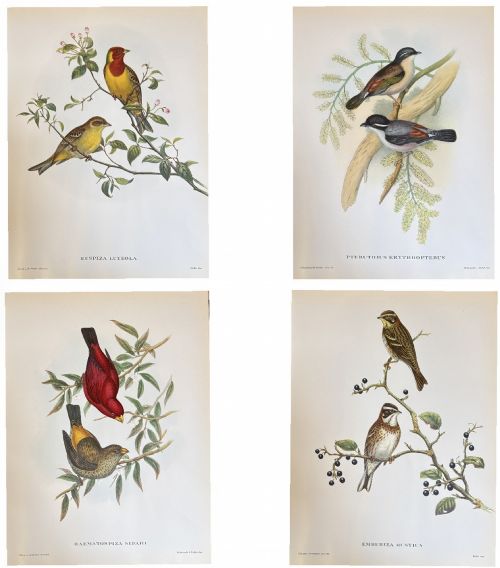
When searching for vintage print artwork, buyers encounter a diverse selection ranging from eighteenth-century mezzotint portraits to mid-twentieth-century tropical bird prints and advertising posters. The material record spans works executed in the eighteenth, nineteenth, and twentieth centuries, encompassing Georgian, Victorian, Art Deco, and Neoclassical styles.
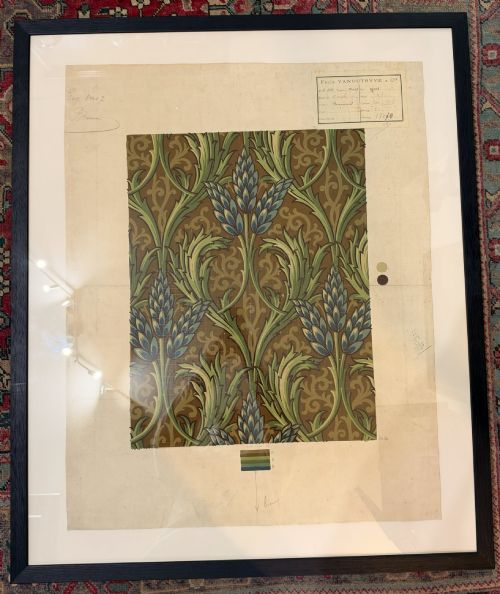
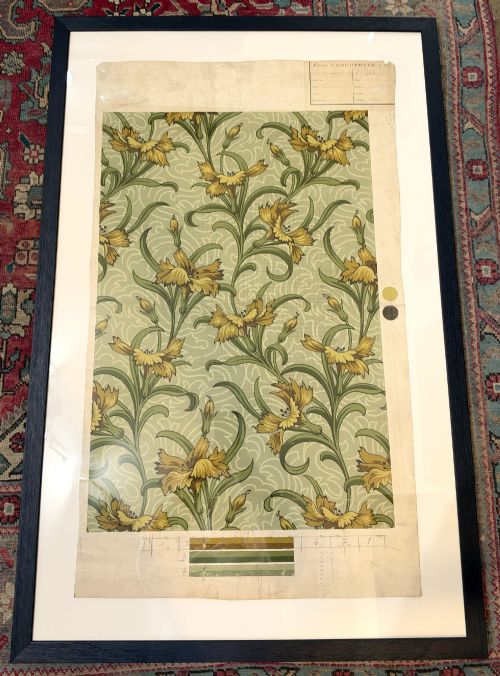
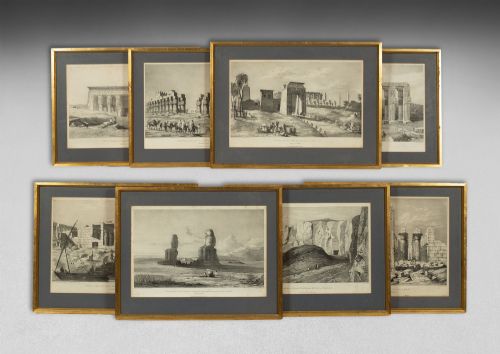
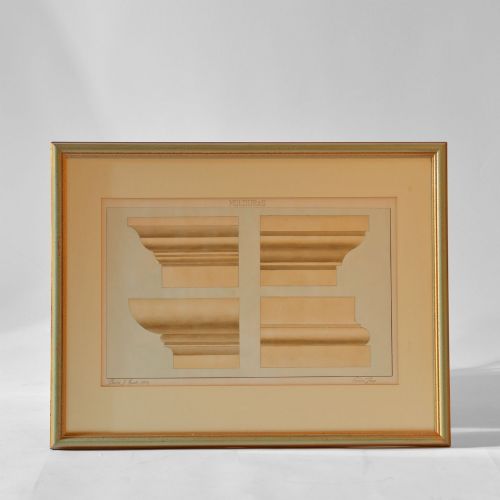
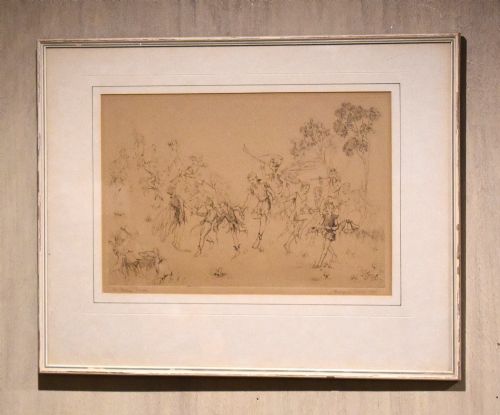
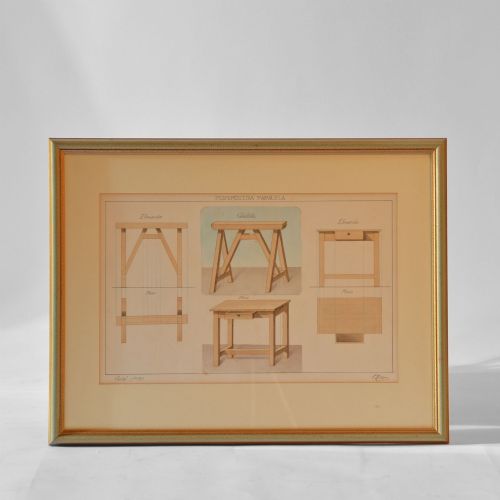
The objects themselves take various forms, including framed prints, engravings, lithographs, etchings, and original watercolour drawings on paper. Buyers frequently meet nineteenth-century botanical studies, architectural drawings, and traditional Japanese woodblock prints alongside photographic collector prints.
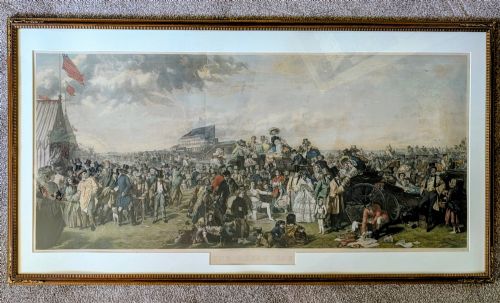
Framing often complements the works, utilising wood, glass, gilt, and giltwood to house pieces that originated as book illustrations, wall art, or independent fine art prints.
Materials and construction
The physical foundation of these pieces relies predominantly on paper surfaces marked with ink, watercolour, or pastel, sometimes augmented by gold leaf and gilt details. Printmakers and artists utilised traditional techniques such as etching, drypoint, lithography, woodblock cutting, and mezzotint engraving to transfer imagery.
Many works incorporate handmade frames constructed from wood or finished in giltwood and glass protection to preserve the delicate paper mediums over decades or centuries. The combination of pressed ink or applied pigment on fibrous paper remains central to the production of these historical graphics.
Vintage Print Artwork Retail Price Guide 2026
Typical asking prices for vintage print artwork among the pieces listed under this phrase on Sellingantiques today, from the lower quarter to the upper quarter. They describe what is for sale here now, not the wider market.
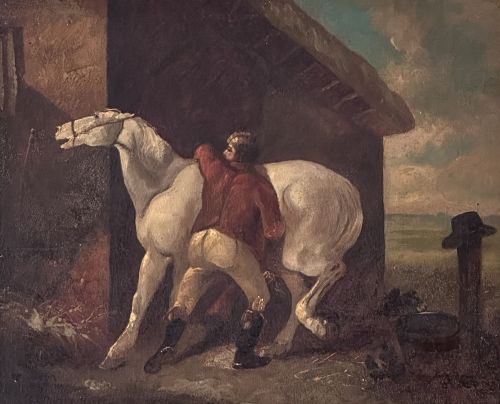
Several pieces preserve the intense gaze of Victorian Pekingese dogs and industrious farmyard pigs for posterity.
Judging the range
The distinction between standard examples and superior pieces rests on the clarity of the impression, the strength of the ink or pigment, and the precision of the hand-finishing. Early impressions pulled from plates before wear occurred display finer lines and deeper tonal contrast than later printings.
Context also defines the grade, where signed editions, original artist watercolours, and contemporary period frames elevate a piece above mass-produced decorative items. The integrity of the paper and the preservation of original colour saturation dictate the overall standing of the work.
Samuel Howitt·Sir Joshua Reynolds·Marjorie L Davies·Kurt Meyer Eberhardt
The Vintage Print Artwork Glossary
- Mezzotint
- A printmaking process where the copper plate is roughened to achieve rich dark tones and subtle gradations of light. This technique was frequently employed for eighteenth-century portraiture.
- Lithograph
- A planographic printing method utilising a flat stone or metal plate treated to repel and accept ink. It allowed artists to produce multicoloured posters and botanical illustrations.
- Etching
- A technique where lines are bitten into a metal plate with acid before ink is applied for printing. Master printmakers utilised this process to capture fine illustrative detail.
- Drypoint
- A form of intaglio printmaking where an artist scratches directly into a metal plate with a sharp needle. This creates a distinctive velvety ridge of metal burr along the printed lines.
- Woodblock
- A relief printing method involving carved wooden blocks to transfer pigmented designs onto paper. This traditional method underpins classic Japanese print traditions.
Vintage Print Artwork: Frequently Asked Questions
What defines a vintage print?
A vintage print generally refers to an artwork produced several decades ago using traditional graphic methods like etching, engraving, or lithography.
These pieces reflect the aesthetic standards and printing technologies of their specific historical period.
How were old engravings made?
Engravings were created by skilled artisans cutting lines directly into metal plates using a hardened steel tool called a burin.
Ink was then pressed into the recessed grooves and transferred onto paper under high pressure.
Are watercolour drawings prints?
Watercolour drawings are entirely unique hand-painted works on paper rather than mechanically or chemically reproduced impressions.
They appear alongside prints in historical collections because both share paper supports and framing styles.
How do I date a piece?
Dating relies on identifying the printing technique, paper composition, stylistic markers, and any inscribed artist signatures or dates.
Reference materials and contextual clues from the subject matter also help establish the decade or century of origin.