



Vintage Pottery Tray
These vintage pottery tray pieces range from hefty grocers slabs to delicate desktop inkstands, offering both practical service and timeless ceramic artistry.
Vintage Pottery Tray
When you search for a vintage pottery tray, you encounter a diverse collection of domestic and decorative earthenware and ceramic forms. These items span periods from the Georgian era through the Victorian and Edwardian decades up to the nineteen-twenties.
The selections on this page include large meat platters, serving dishes, trinket dishes, vide-poche dishes, pin trays, bread plates, and cheese dishes. You also find specialised pieces such as grocers slabs, advertising scale plates, and desktop inkstands.
Origins represented in these items stretch across English, French, Dutch, and Japanese traditions. Blue and white transfer prints, faience, and majolica styles appear frequently alongside regional earthenware productions.
How they were made
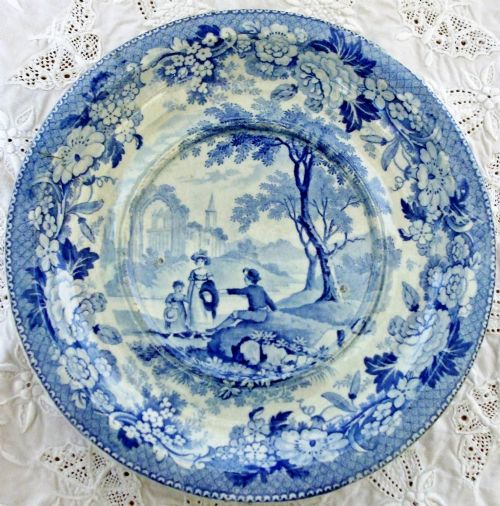
Potters shaped these items using earthenware, ironstone, and ceramic bodies, often applying tin-glaze or transparent glazes over the clay. Transfer printing technology allowed workshops to apply intricate blue and white patterns onto large meat platters and plates before firing.
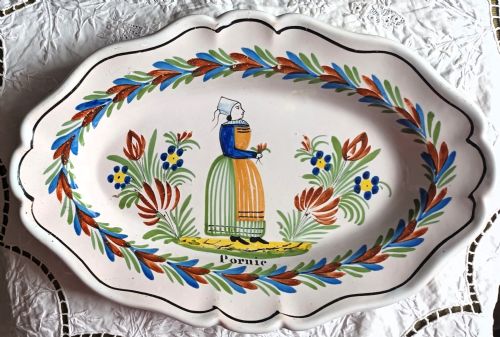
Hand-painted decoration characterises many of the faience and delft pieces, where artisans added polychrome or blue pigments directly to the unfired glaze. Specialised items like grocers slabs and advertising plates incorporated heavy-duty moulding to withstand commercial use in shops.
Vintage Pottery Tray Retail Price Guide 2026
Typical asking prices for vintage pottery tray among the pieces listed under this phrase on Sellingantiques today, from the lower quarter to the upper quarter. They describe what is for sale here now, not the wider market.
Listings feature items spanning the eighteenth, nineteenth, and early twentieth centuries, constructed from earthenware, ironstone, and tin-glazed ceramic.
What varies in quality
Quality in these pieces rests upon the crispness of the transfer print and the skill evident in hand-painted brushwork. Superior items display harmonious colour application, precise registration of patterns, and well-balanced forms without distortion from the kiln.
The distinction between standard commercial wares and finer pieces also lies in the weight and refinement of the ceramic body. Elaborate moulding, such as the fretted edges on french vide-poche dishes or the intricate shaping of majolica bread plates, separates simpler items from superior examples.
John Rogers And Son·Wemyss·Spode·Masons
The Vintage Pottery Tray Glossary
- Ironstone
- A heavy, durable type of ceramic patented in the nineteenth century to imitate Chinese porcelain. It resists chipping and forms robust platters and cheese dishes.
- Vide-poche
- A small shallow dish designed to empty pockets of coins and keys upon entering a room. French examples often feature fretted or pierced rims.
- Inkstand
- A desktop stand incorporating one or more inkwells alongside space for pens. Examples often use delft or glazed pottery construction.
Vintage Pottery Tray: Frequently Asked Questions
What is a grocers slab used for?
Grocers slabs served as heavy ceramic counters or display tiles in shops for items like butter and cheese. They provided a cool, clean surface that was easy to wipe down during daily trade.
These thick earthenware pieces carry bold lettering to advertise provisions directly to customers. Today, collectors often display them as decorative wall plaques or sturdy kitchen boards.
How do I date a transfer printed platter?
Dating relies on examining the style of the border, the depth of the blue pigment, and any impressed factory marks on the reverse. Early nineteenth-century pieces often display deep cobalt transfer scenes with romantic landscape titles.
Maker names and registration numbers stamped into the ceramic body provide further clues. Comparing the potting weight and glaze characteristics against known manufacturing periods helps narrow down the decade.
What is the difference between delft and faience?
Both terms describe tin-glazed earthenware, but delft specifically associates with Dutch pottery production from towns like Delft. Faience is the broader French and continental term for the same tin-glaze technique.
Dutch delft frequently showcases blue and white maritime or floral scenes influenced by Chinese porcelain. French faience often incorporates vibrant regional colour palettes and distinct local motifs.
Can I use these antique trays for food?
Many of these pieces began life as meat platters, bread plates, or cheese dishes intended for dining tables. However, age, historic glazes, and potential crazing mean modern use requires careful consideration.
Displaying them on walls or using them for dry presentation items preserves the ceramic surface. Hand washing gently without harsh detergents protects the antique glaze from further wear.