



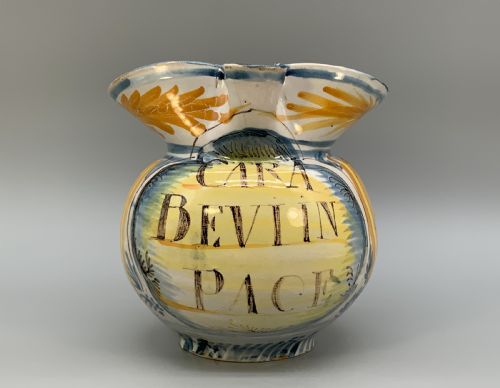
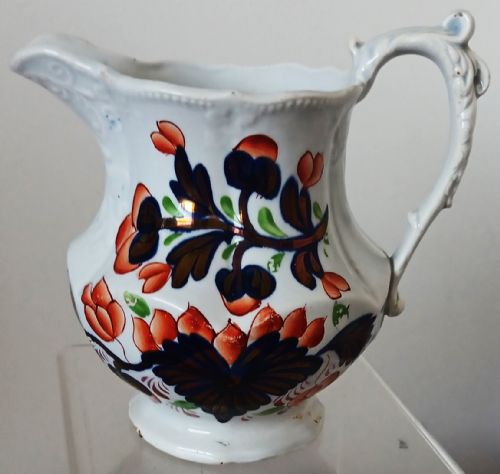
Vintage Pottery Jug
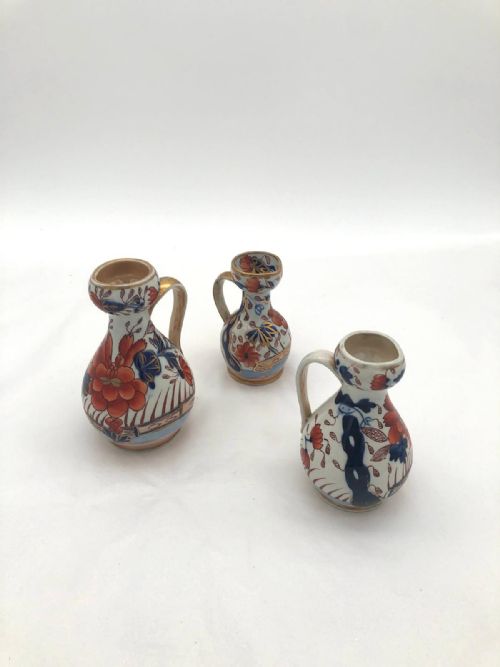
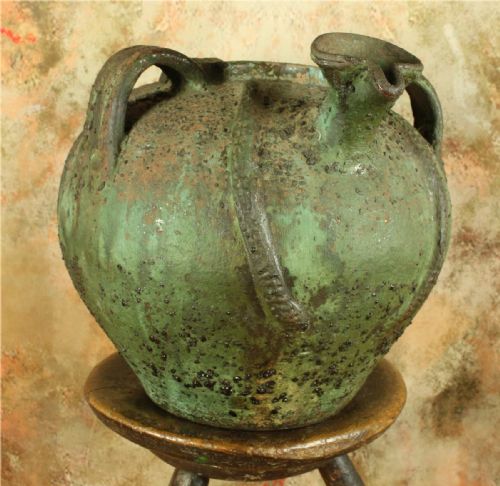
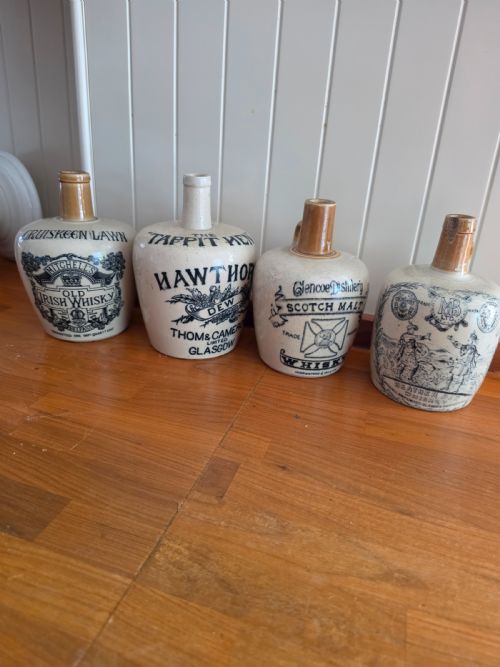
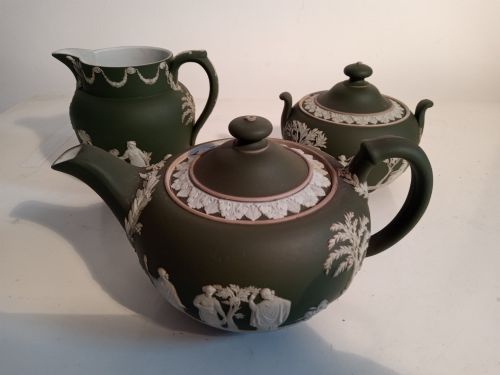
These vintage pottery jug examples bring weight and historical character to a shelf, spanning centuries of practical vessels.
Vintage Pottery Jug
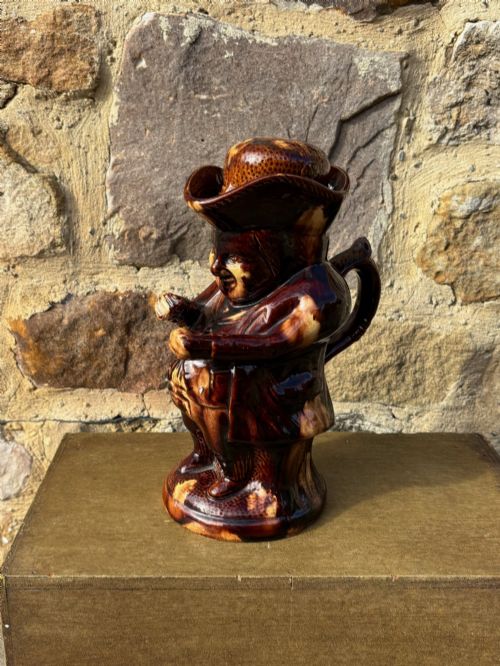
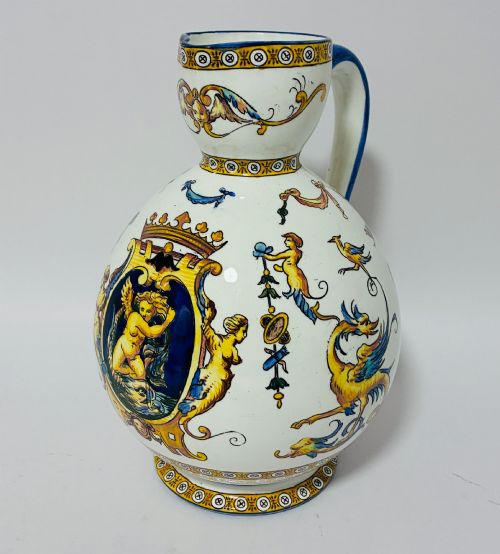
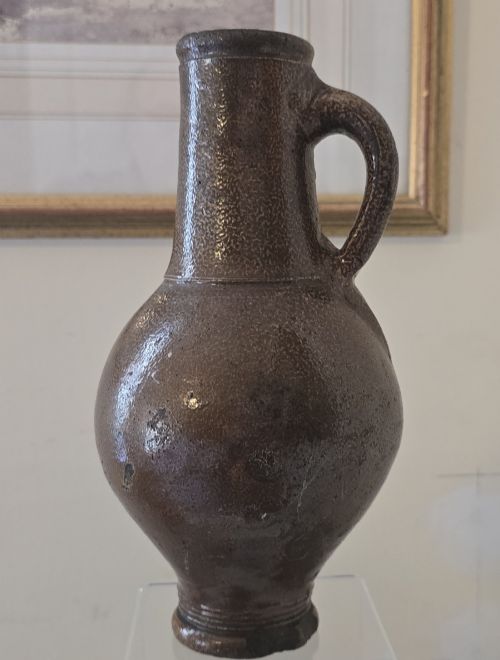
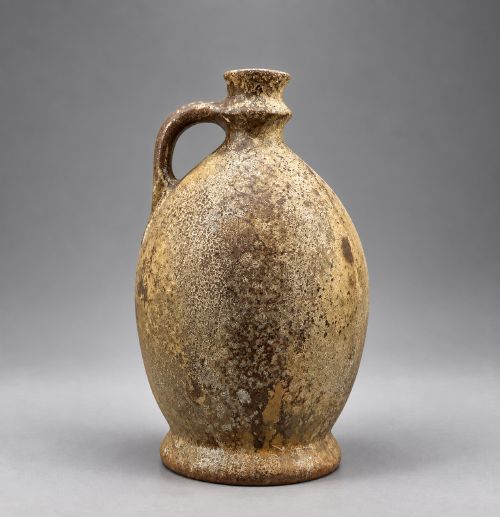
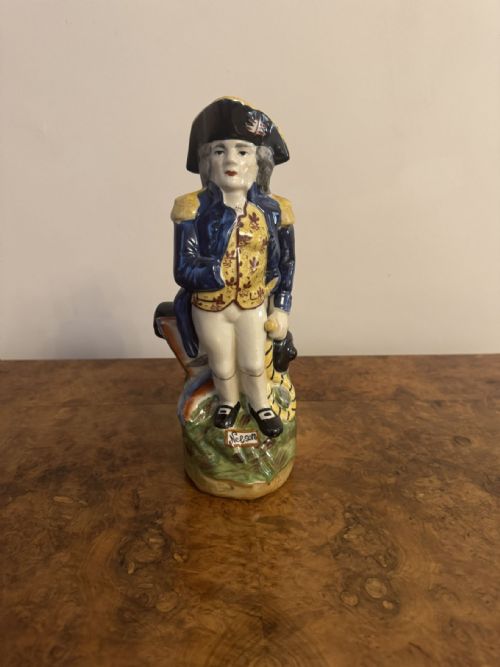
A vintage pottery jug search reveals utility vessels spanning from the seventeenth century through the Edwardian era, encompassing diverse regional traditions. Buyers encounter everything from robust salt-glazed flagons and advertising flasks to decorative lustre pieces and figural toby jugs.
Nineteenth-century examples dominate the offerings, particularly Staffordshire earthenwares, Sunderland lustre wares, and Doulton Lambeth salt-glazed stonewares. These pieces range from maritime-themed vessels featuring clipper ships to ornate Gaudy Welsh patterns and classical revival shapes.
Earlier pieces from the seventeenth and eighteenth centuries appear alongside Victorian designs, offering earthenware, creamware, and pearlware bodies. Forms vary from simple tavern pitchers and oil jars to specialised pharmacy vessels and commemorative jugs.
Materials and construction
Potters utilised earthenware, stoneware, ironstone, and creamware as foundational bodies, shaping them on the wheel or pressing them into moulds. Salt glazing produced distinctive textured surfaces on heavy stonewares, while tin-glazed earthenwares provided smooth white grounds for polychrome painting.
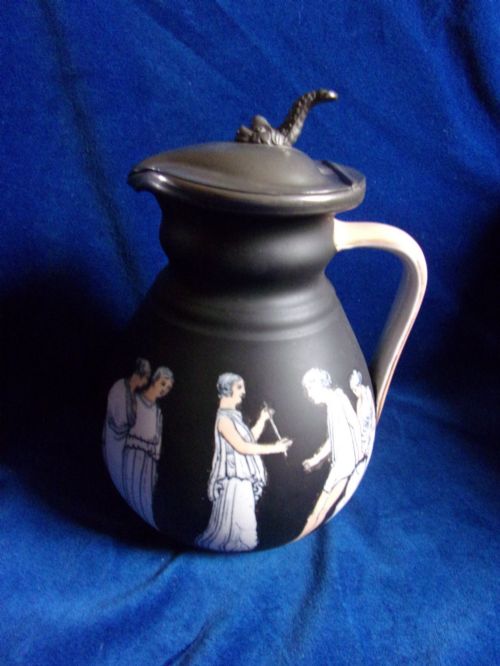
Decoration involved transfer printing, hand-painting with enamel and lustre pigments, and applied relief modelling. Pewter lids frequently finished vessels intended for wine or ale, attached securely to the ceramic handles and rims.
Vintage Pottery Jug Retail Price Guide 2026
Typical asking prices for vintage pottery jug among the pieces listed under this phrase on Sellingantiques today, from the lower quarter to the upper quarter. They describe what is for sale here now, not the wider market.
Several cows double as vessels in the selection, serving cream from their backs while wearing remarkably calm expressions.
Evaluating the pieces
Quality rests in the crispness of moulded relief work, the stability of applied handles, and the depth of glaze finishes. Hand-painted lustre and transfer-printed scenes show distinct variations in precision and pigment richness across different kilns.
The sophistication of the form and the clarity of commemorative inscriptions or named motifs elevate certain utilitarian items into significant decorative objects. Intact metal mounts on stoneware flagons add physical integrity and historical context.
John Dwight Fulham Pottery·Royal Doulton·Doulton Lambeth·Wedgwood·Minton·Leeds Pottery
The Vintage Pottery Jug Glossary
- Salt glaze
- A vitreous coating formed by throwing common salt into the kiln during high-temperature firing, creating an orange-peel texture on stoneware.
- Lustreware
- Earthenware decorated with a metallic film that produces an iridescent sheen, often associated with nineteenth-century Sunderland production.
- Toby jug
- A pottery jug modelled as a stout, jovial person, usually seated and holding a mug of beer or a pipe.
- Pearlware
- A refined earthenware developed in the late eighteenth century featuring a faint bluish glaze over a whitish body.
- Ironstone
- A dense, durable type of ceramic patented in the early nineteenth century to rival porcelain strength.
Vintage Pottery Jug: Frequently Asked Questions
How were these jugs originally used?
These vessels served primarily practical roles in domestic, tavern, and industrial settings for pouring liquids such as beer, water, milk, and wine. Many functioned as storage containers for oil, whisky, or pharmacy goods before transitioning to decorative display items.
Larger flagons and bottles handled bulk transport, while smaller creamers and water jugs sat on dining tables or washstands. Commemorative pieces marked specific events, ships, or political milestones for households and local communities.
How do I care for antique ceramic jugs?
Clean antique pottery gently using warm water and a mild detergent, avoiding harsh scrubbing or soaking that might damage historic glazes or ironstone bodies. Patina and subtle surface crazing form part of the object's age and should be preserved.
Display the jugs away from direct sunlight and areas prone to sudden temperature fluctuations to protect fragile enamels and applied metal mounts. Handle heavy stoneware and earthenware securely by supporting the base alongside the handle.
How can I tell a Georgian jug from a Victorian one?
Georgian pieces often feature creamware, pearlware, or early salt-glazed stoneware bodies with restrained neoclassical styling, hand-painted motifs, or soft transfer printing. Forms lean towards simple utility and refined proportions common in the eighteenth century.
Victorian examples frequently display heavier moulded relief, bolder industrial techniques, and brighter lustre decoration or rich brown glazes. Styles span from Gothic and baroque revivals to whimsical figural designs and commemorative Jubilee pieces.
What is a Sunderland lustre jug?
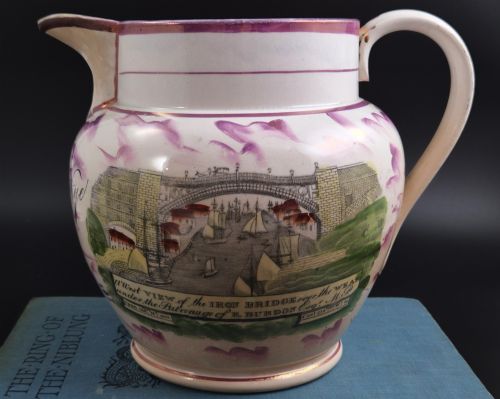
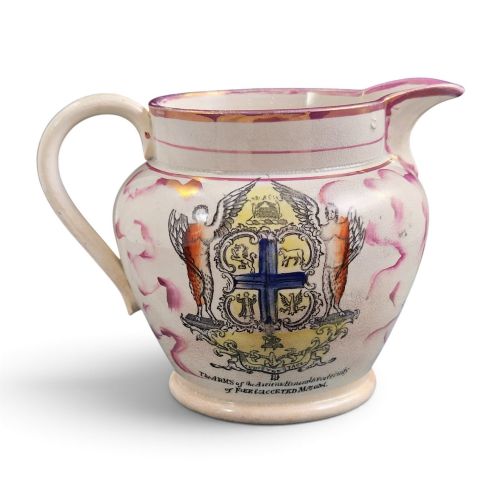
Sunderland lustre jugs are earthenware vessels produced in the North East of England, characterised by a distinctive pink metallic splash or marble effect. They frequently depict maritime scenes, local landmarks like the Iron Bridge, or masonic emblems.
Potters applied these decorative finishes by floating metallic solutions on the glaze during firing, creating an iridescent appearance. Many of these pieces also incorporate printed transfer verses and commemorative inscriptions.