


Vintage Pottery Figurine
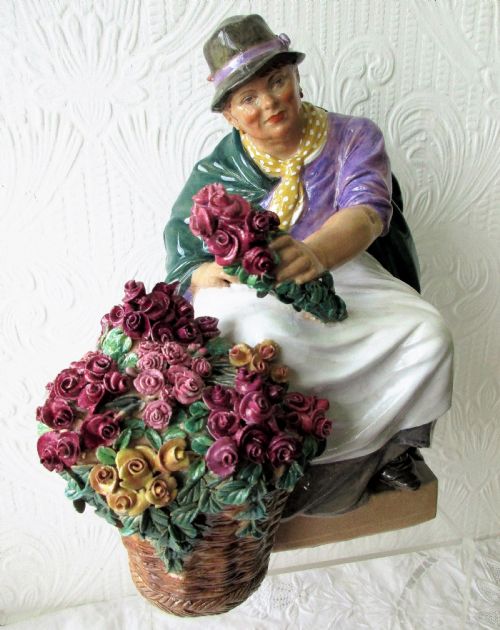
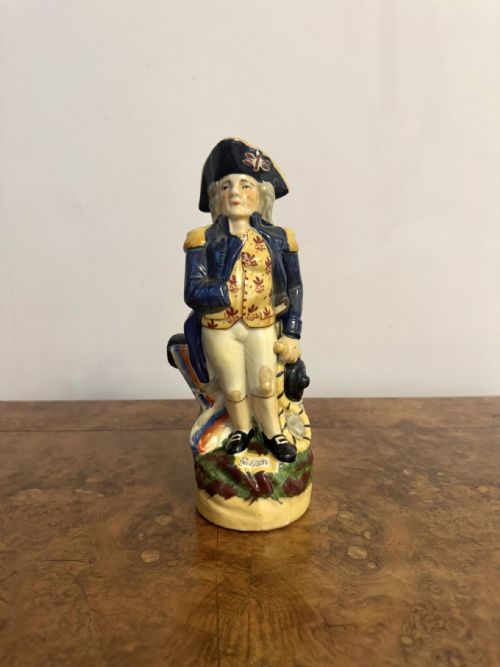
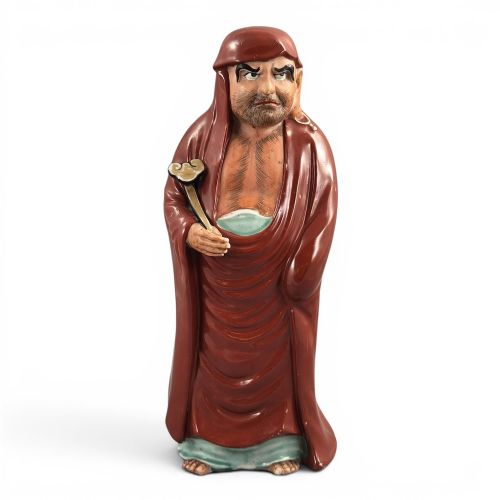
These vintage pottery figurine selections range from Victorian Staffordshire animals to Art Deco French cats, offering character and history for domestic display.
Vintage Pottery Figurine
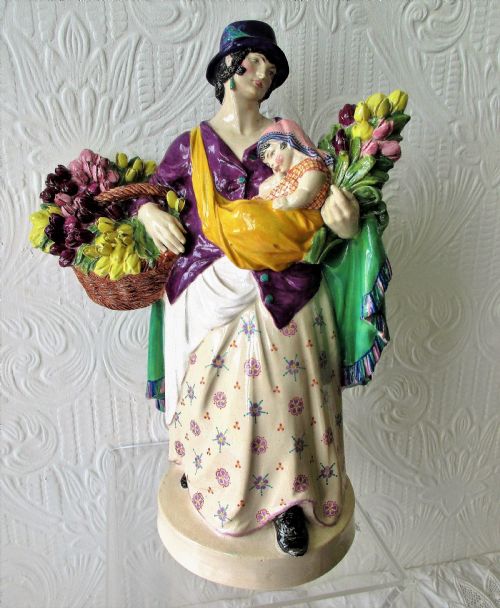
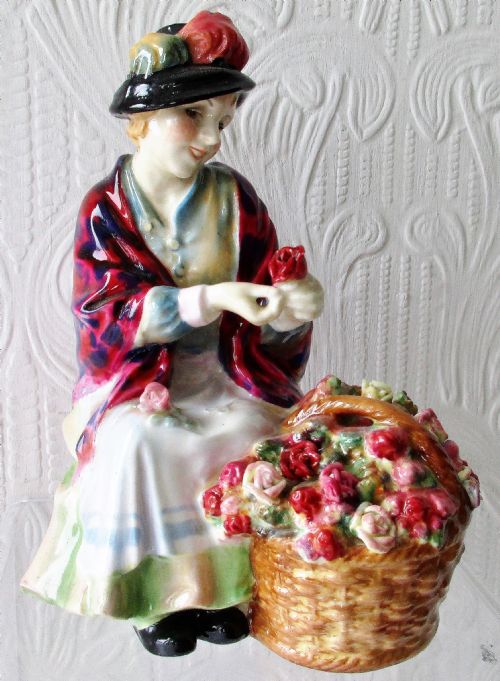
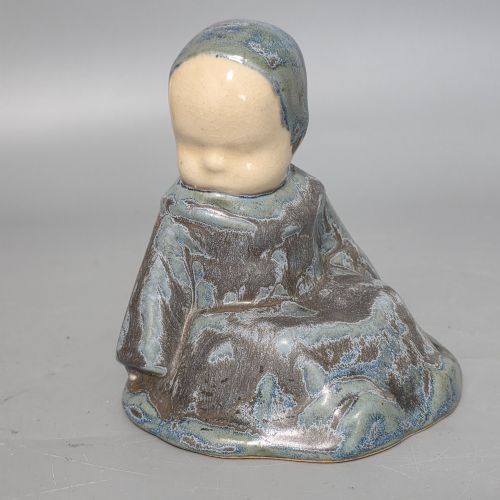
A vintage pottery figurine brings sculptural form and decorative charm into a room, often taking the shape of animals, human characters, or historical subjects. When you search for this phrase, you will encounter diverse interpretations spanning several centuries and aesthetic movements.
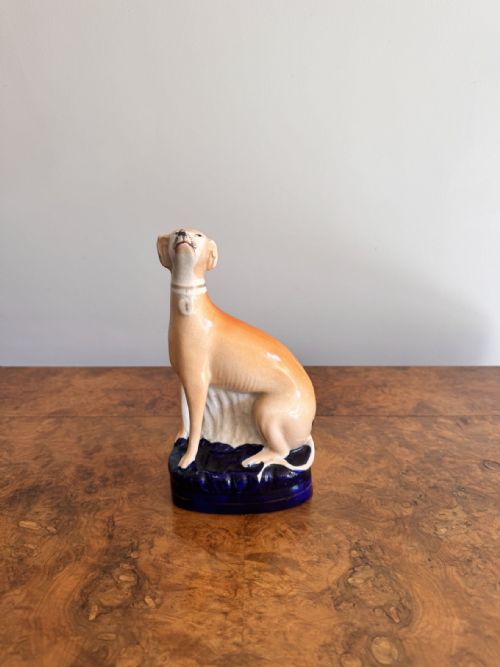
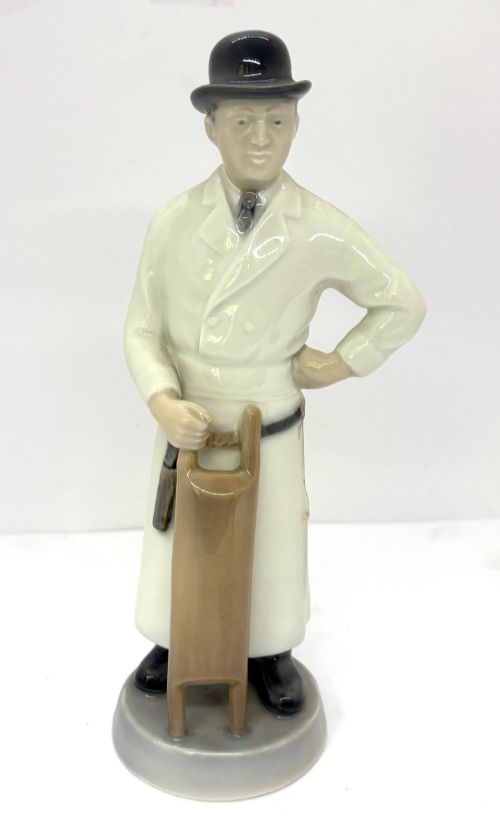
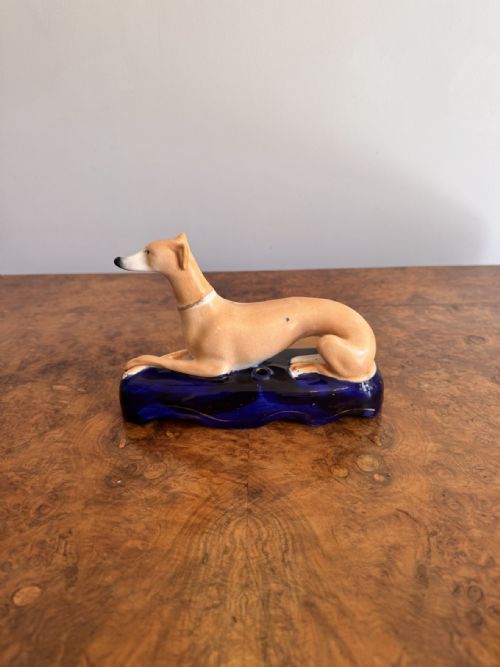
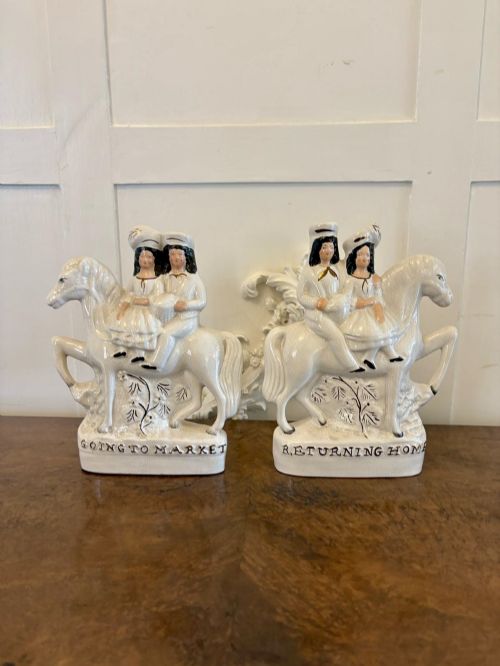
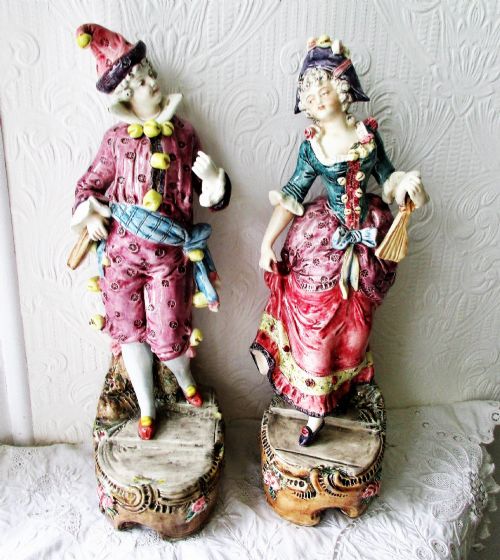
The selection on this page leans heavily towards Victorian Staffordshire pottery dogs, spaniels, and equestrian figures, alongside twentieth-century studio pottery and continental earthenware. Makers from various European and Asian traditions utilised ceramic media to capture domestic pets, literary figures, and exotic subjects.
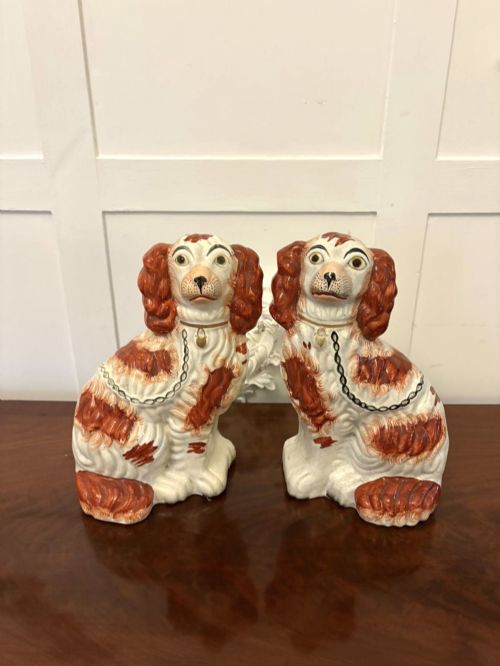
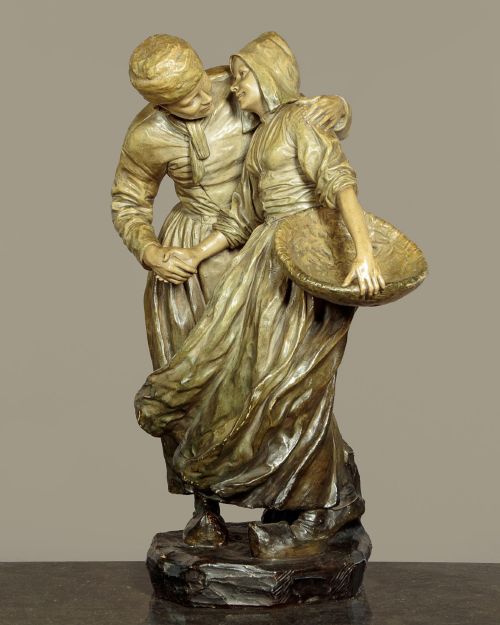
Forms range from simple earthenware inkwells and bookends to large porcelain figures and terracotta figure groups. Collectors often find pairs of Staffordshire dogs or cows designed for mantelpiece display, reflecting domestic tastes of the nineteenth century.
How they were made
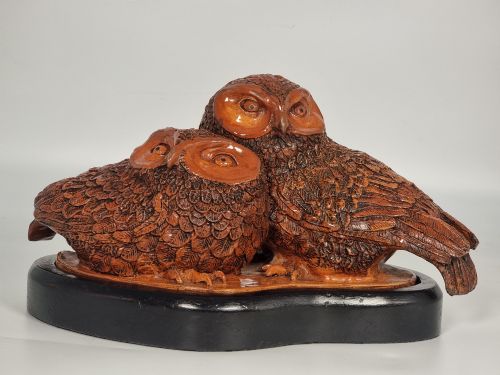
Makers shaped these objects using earthenware, stoneware, terracotta, and porcelain, often applying lead glazes, enamel colours, or gold leaf to finish the surface. Hand sculpting and mould pressing determined the initial form of the piece before firing in kilns.
Decoration varied from simple blue and white underglaze painting on Delftware to intricate hand-painted enamels on English porcelain and studio pottery. Some pieces feature applied glass eyes or specific lustre finishes, such as copper lustre on Staffordshire earthenware.
Vintage Pottery Figurine Retail Price Guide 2026
Typical asking prices for vintage pottery figurine among the pieces listed under this phrase on Sellingantiques today, from the lower quarter to the upper quarter. They describe what is for sale here now, not the wider market.
Listings include nineteenth-century Staffordshire earthenware, twentieth-century studio pottery, and porcelain figures spanning Victorian to Art Deco periods.
What varies in quality
The integrity of the ceramic body and the depth of the glaze contribute significantly to the standing of an individual figure. Pieces modelled by known artists or produced by distinguished potteries generally exhibit higher artistic ambition and execution.
Charles Vyse·Berthe Savigny·Goldscheider·Royal Dux Bohemia·Royal Doulton·H Schubert
The Vintage Pottery Figurine Glossary
- Earthenware
- A porous type of pottery fired at lower temperatures, commonly used for traditional Staffordshire figures and needing a glaze to become waterproof.
- Staffordshire
- A term for pottery produced in the Staffordshire Potteries area of England, famous for utilitarian and decorative figures including spaniels and historical subjects.
- Terracotta
- An unglazed or glazed fired clay body with a brownish-red colour, frequently utilised for nineteenth-century sculptural groups and portrait figures.
- Sancai
- A type of lead-glazed Chinese pottery using three contrasting colours, characteristic of Tang Dynasty style figures.
- Lustreware
- Pottery decorated with a metallic glaze that produces an iridescent sheen, such as copper or silver effects seen on certain Victorian figures.
Vintage Pottery Figurine: Frequently Asked Questions
What are Staffordshire pottery dogs?
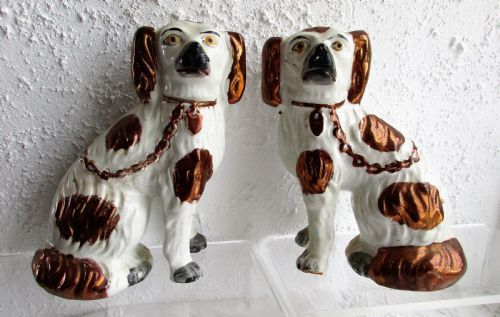
Staffordshire pottery dogs are earthenware figures, most commonly spaniels, produced in English potteries during the nineteenth century for domestic mantelpiece display. They were typically made in pairs to sit at either side of a fireplace.
These dogs feature hand-painted details, often with copper lustre, black, or red markings, reflecting Victorian interior decoration and popular pets of the era.
What is the difference between earthenware and porcelain?
Earthenware is a porous pottery fired at lower temperatures, requiring a glaze to hold liquids and commonly found in older Staffordshire and continental figures. Porcelain is a finer, denser ceramic fired at much higher temperatures until vitreous and translucent.
Porcelain figures often allow for finer facial detail and thinner modelling compared to the heavier, sturdier build of traditional earthenware pieces.
How can I tell the period of a figurine?
Dating a figurine involves examining the ceramic body, glaze characteristics, and the style of decoration or clothing depicted on the subject. Victorian pieces often show distinct hand-painting methods and crazing in the glaze accumulated over time.
Maker marks, impressed numbers, and stylistic cues tied to movements like Art Nouveau or Art Deco also help narrow down the production era of the piece.