


Vintage Portrait Oil Panel
These vintage portrait oil panel selections capture character and likeness on rigid supports across centuries.
Vintage Portrait Oil Panel
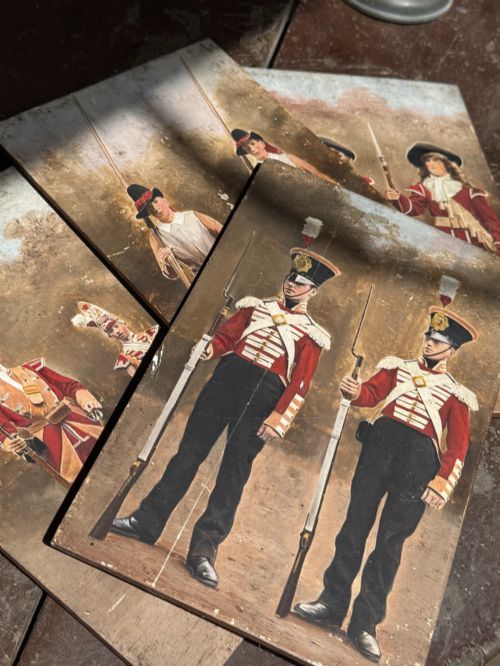
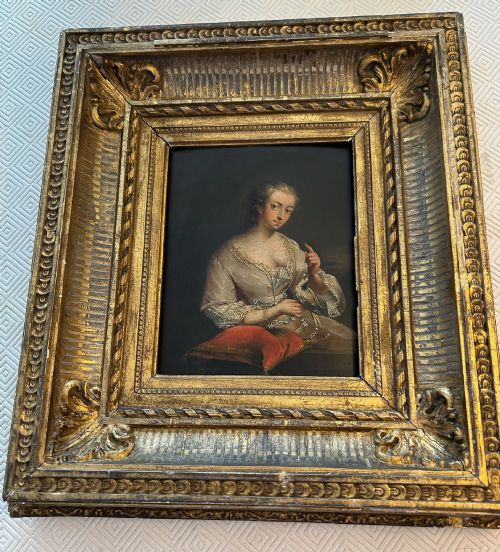
A vintage portrait oil panel presents a likeness painted with oil pigments directly onto a rigid wooden or composite support rather than stretched canvas. When searching for a vintage portrait oil panel, buyers encounter works spanning from the seventeenth century through to the mid-twentieth century, encompassing both formal academic commissions and naive or regional studies.
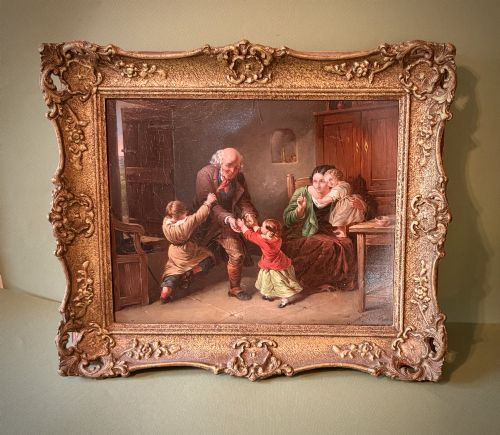
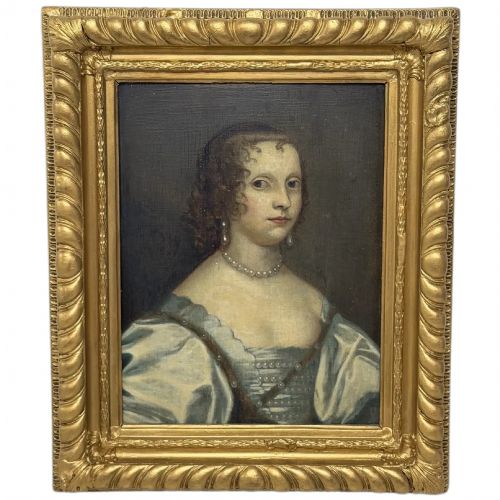
The subjects range from seventeenth-century nobility like Elizabeth Cavendish to nineteenth-century gentlemen, young girls, and self-portraits by artists such as Edouard Julien. These pieces reflect diverse European traditions, including French schools, British naive painting, and Dutch interior genres.
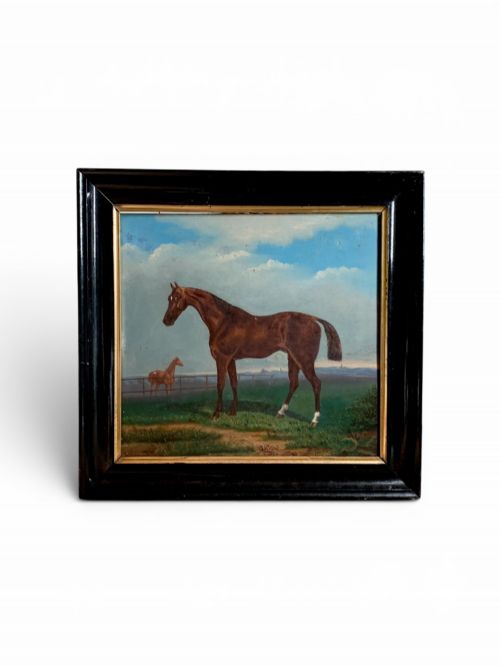
While many listings focus on human subjects, the broader category of oil panel works also embraces animal studies, interiors, and genre scenes created across the Victorian, Regency, and modern periods. The enduring appeal lies in the intimate scale and the preservation of pigment on a solid base.
Materials and construction
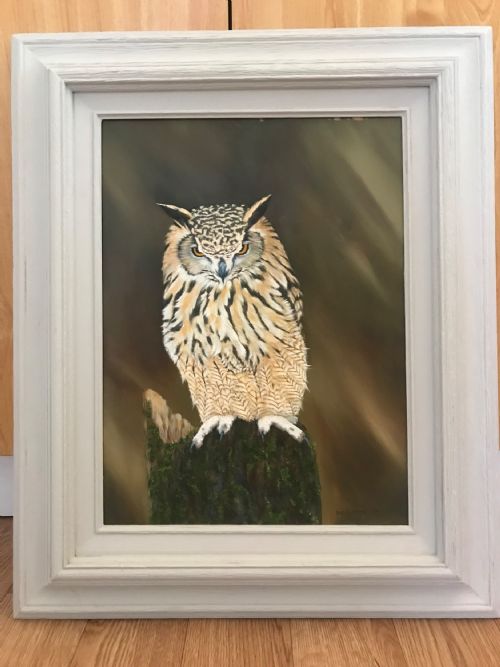
Among the human likenesses, several panels record the intense gazes of domestic pets, including border collies, pugs, and a tawny owl.
Factors determining quality
Quality in these works rests upon the precision of brushwork, the psychological depth captured in the subject's expression, and the handling of light and shadow. Superior examples demonstrate a confident command of anatomy and proportion, whereas simpler naive works rely on charming directness.
The condition of the wooden support and the stability of the paint layer significantly influence the standing of a piece. Works that retain their original primed panels without excessive intervention command greater appreciation among collectors.
Edouard Julien·Hans Temple·Bessie Bamber·William Williams
The Vintage Portrait Oil Panel Glossary
- Oil paint
- A slow-drying paint made by combining pigments with a drying oil, typically linseed oil. This medium allows for smooth blending and rich luminosity.
- Wood panel
- A rigid flat support made from timber, used by artists as an alternative to canvas. Oak, mahogany, and pine are common examples found in older works.
- Naive school
- A classification for art produced by self-taught artists lacking formal academic training. These works often display charming perspective quirks and direct emotional honesty.
- Genre painting
- The pictorial representation of scenes from everyday life, involving ordinary people in domestic or social settings. Such works frequently appear alongside formal portraiture in panel collections.
Vintage Portrait Oil Panel: Frequently Asked Questions
What is a portrait oil panel?
A portrait oil panel is a painting executed in oil medium upon a wooden board or panel rather than stretched fabric. These pieces offer a durable and fine-grained surface for detailed facial likenesses.
Such works have been produced across centuries, ranging from formal seventeenth-century aristocratic depictions to nineteenth-century character studies and twentieth-century modernist interpretations.
How do I care for wooden panel paintings?
Panel paintings require stable indoor humidity and temperature to prevent the wood from warping or splitting over time. Keep them away from direct sunlight and strong heat sources.
Dust the surface gently with a soft, dry brush and avoid using any liquid cleaners or chemical solvents on the paint layer.
Are panel paintings older than canvas?
Wooden panels represent one of the oldest supports used in Western painting, predating the widespread adoption of canvas during the Renaissance. Artists continued to use panels alongside canvas well into the twentieth century for their stability.
Many earlier portraits utilised oak or pine boards, while later nineteenth and twentieth-century works frequently employed manufactured boards.
How can I tell the age of a panel?
Determining the age of a panel involves examining the type of wood, the preparation ground, the framing, and the style of the pigment application. Oak panels frequently point towards earlier periods, whereas mahogany and composite boards often indicate nineteenth or twentieth-century origins.
Signatures, inscriptions on the reverse, and stylistic markers of clothing or hair also provide reliable clues to the date of execution.