


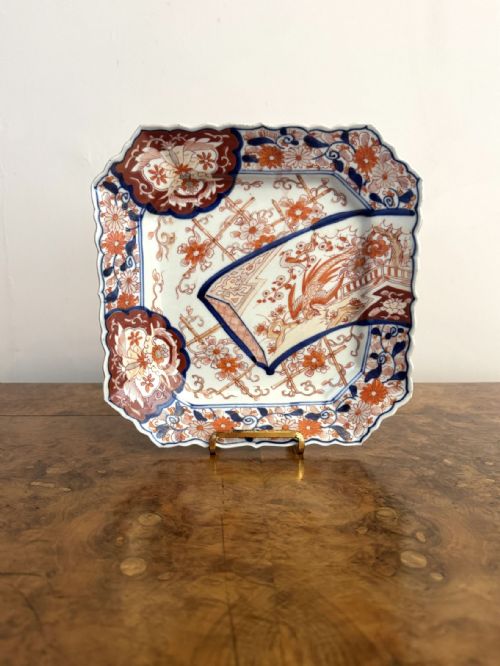

Vintage Porcelain Platter
When you handle a vintage porcelain platter, you hold a piece shaped for service and finished with enduring care.
Vintage Porcelain Platter
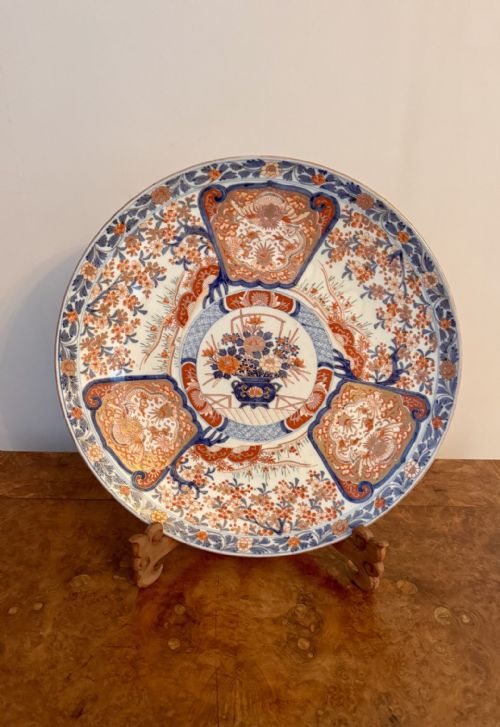
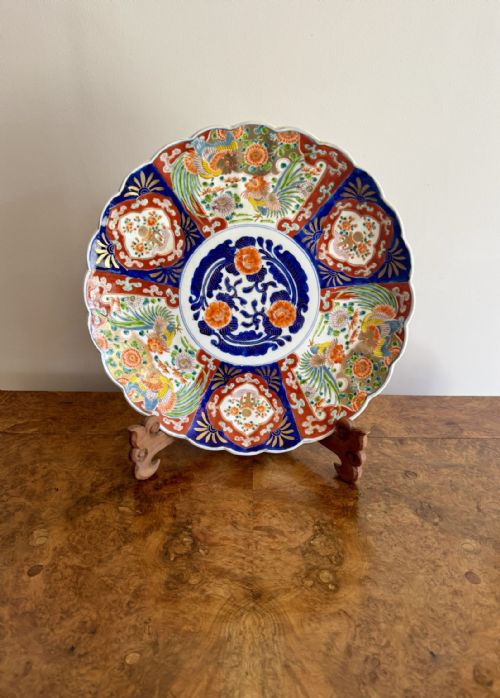
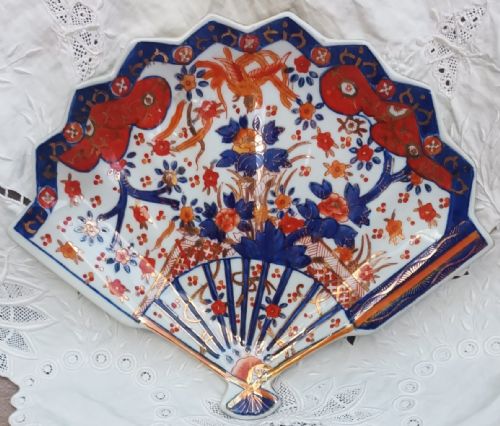
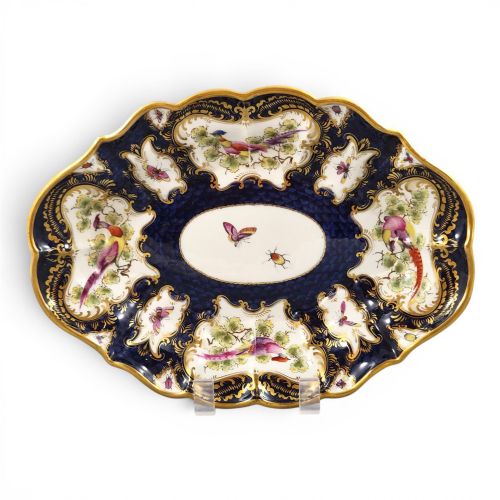
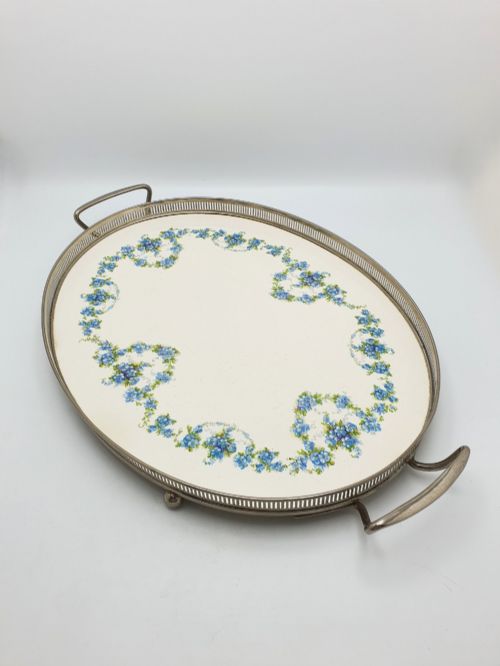
A vintage porcelain platter brings together serving forms like chargers, trays, and shallow dishes spanning from the eighteenth century through to the twentieth century. These pieces cross English, Continental, and Japanese traditions, with Japanese Imari plates and chargers appearing frequently among the listings.
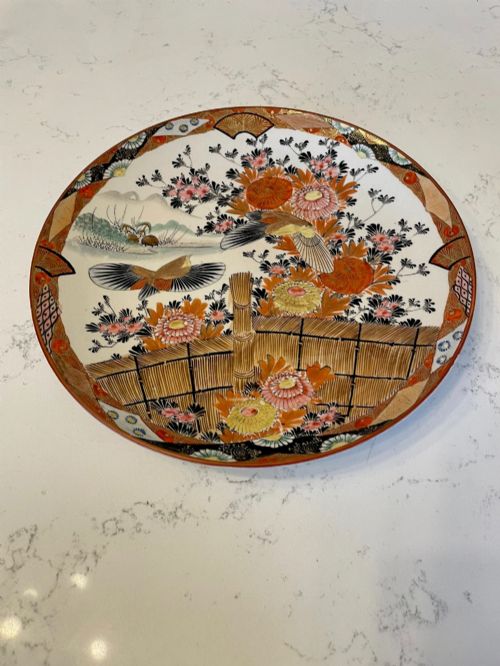
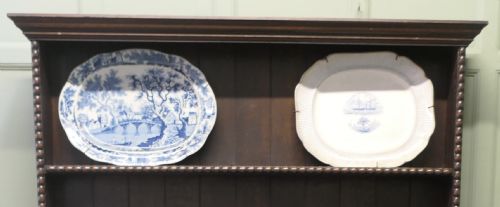
Makers ranged from large English factories to Japanese workshops producing hand-painted wares in the Meiji period and Edo period. Collectors encounter everything from nineteenth century blue and white dinner services to large decorative chargers depicting traditional motifs.
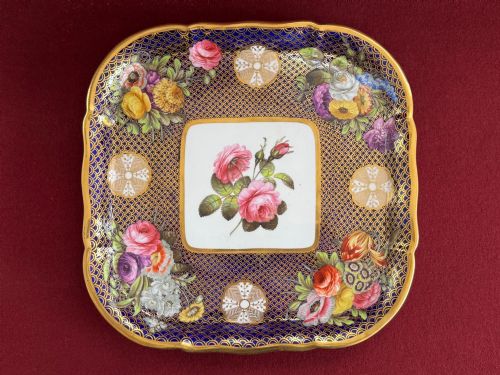
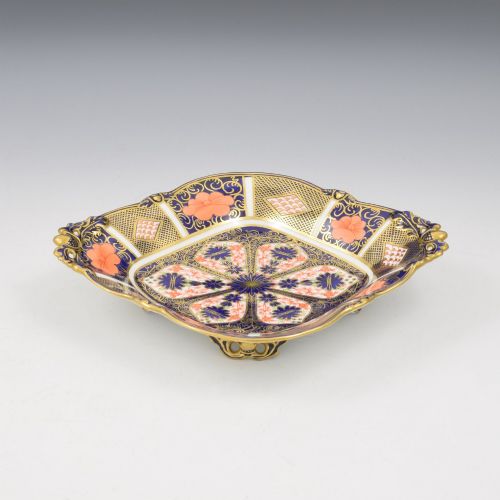
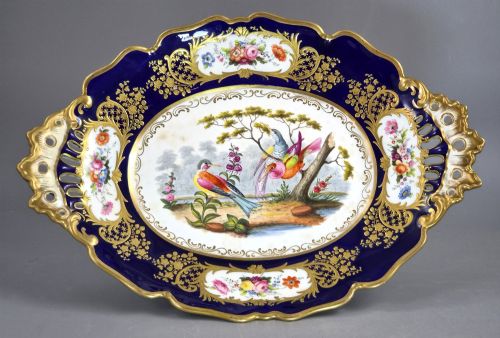
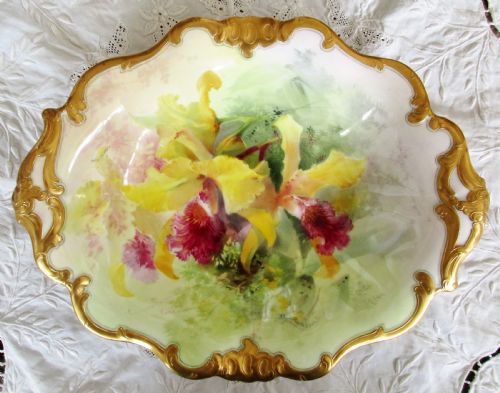
The phrase covers oval dishes, square shaped plates, scalloped edge dishes, and serving trays designed for display or dining table use. Each object reflects the period aesthetics of Victorian, Edwardian, and Regency workshops.
How they were made
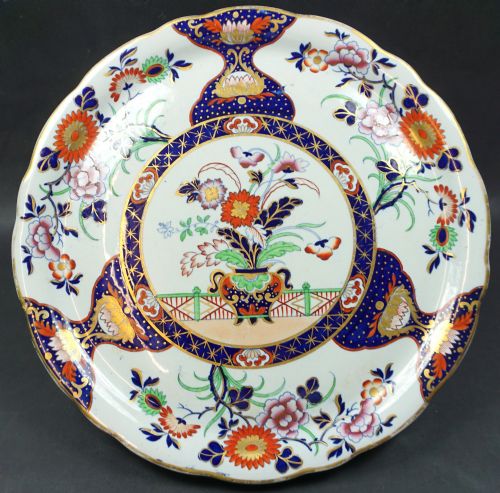
Makers utilised hard-paste and soft-paste porcelain, earthenware, and ironstone as the structural body for these platters and chargers. Glaze was applied to seal the ceramic base, often combined with cobalt blue underglaze painting.
Decoration relied on hand-painted pigments, enamel, and gold leaf or gilding to highlight floral centres, birds, and figural scenes. Kiln firing fixed the colours into the glaze surface, particularly on Japanese Imari and English cabinet pieces.
Materials recorded across the inventory include porcelain, earthenware, ironstone, enamel, and applied gold leaf.
What varies in quality
The precision of the hand painting separates standard production wares from pieces bearing signature details by named artists or specific workshops. Brushwork density and the crispness of cobalt blue or polychrome enamel define the visual depth of the surface.
The weight of the porcelain body and the regularity of the moulding shape influence the physical presence of a charger or tray. Surviving gilding and the preservation of the glaze without heavy rubbing mark the better-kept examples.
Spode·Shozo·Royal Crown Derby·Coalport·Hicks and Meigh·Royal Worcester·Royal Doulton·Minton·Müller Volkstedt·Mason
The Vintage Porcelain Platter Glossary
- Imari
- A style of Japanese porcelain featuring a palette of cobalt blue, iron red, and gold leaf. These wares were exported extensively to Europe from the Edo period onwards.
- Charger
- A large decorative or serving plate exceeding standard dinner plate dimensions. They were frequently displayed on walls or sideboard stands.
- Ironstone
- A type of durable commercial earthenware patented in the nineteenth century. It provided a robust alternative to fine porcelain for heavy-use serving vessels.
- Meiji Period
- The era in Japanese history spanning from 1868 to 1912. Wares from this time often display intricate hand-painted designs aimed at international export markets.
- Gilding
- The application of gold leaf or gold paint to ceramic surfaces. It outlines rims and highlights decorative motifs on Regency and Victorian dishes.
Vintage Porcelain Platter: Frequently Asked Questions
How do I date a vintage porcelain platter?
Examination of the base often reveals maker marks, pattern numbers, or impressed stamps corresponding to factory production periods.
Style, glaze characteristics, and potting techniques also provide clear indicators of whether a piece originates from the eighteenth, nineteenth, or twentieth century.
Were chargers used for food or display?
Historical chargers served functional roles on large dining tables for holding joints of meat or multiple smaller dishes.
Over time, their decorative scale led many owners to display them upright on walls or dedicated plate stands.
How should I clean my porcelain platter?
Gentle washing with warm water and mild soap removes dust without risking fragile enamel or gold leaf decoration.
Harsh abrasives and modern dishwashers must be avoided to preserve the original glaze and hand-painted pigments.
What is the difference between porcelain and ironstone?
Porcelain is vitrified, highly dense, and often translucent when held to a strong light source.
Ironstone is an opaque, heavy earthenware developed to resist chipping during daily service use.