





Vintage Porcelain Centerpiece
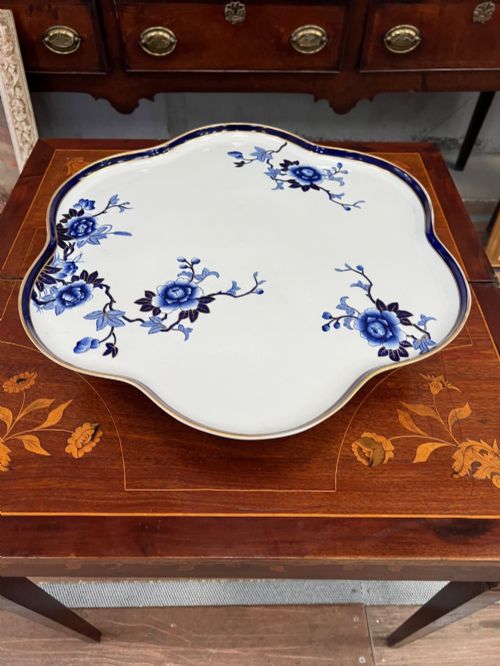
These vintage porcelain centrepieces draw the eye to the dining table with painted motifs, gilt accents, and sculptural figures.
Vintage Porcelain Centerpiece
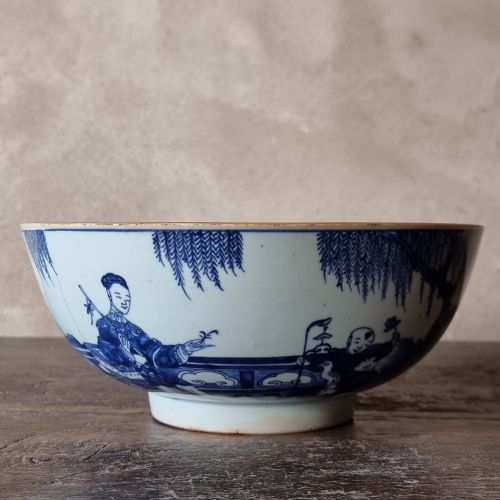
A vintage porcelain centrepiece serves as a decorative focal point for tables, emerging in various forms such as large bowls, figural groups, and jardinières across the 18th, 19th, and early 20th centuries. Buyers searching for a vintage porcelain centrepiece encounter Continental table wares, Asian export bowls, and British earthenware productions spanning periods from the Victorian era to Art Deco.
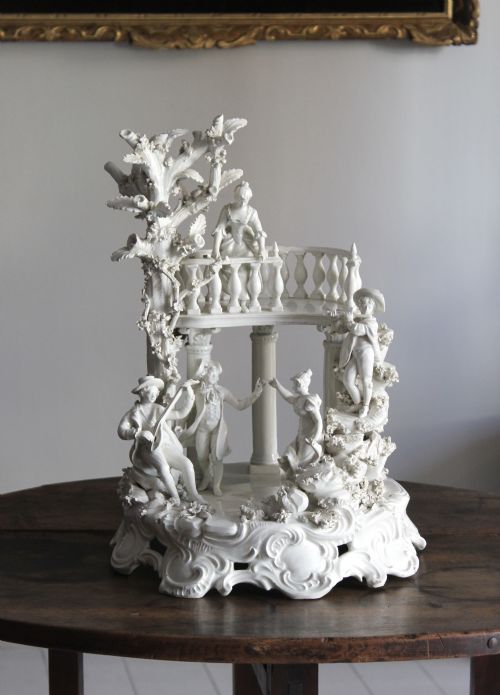
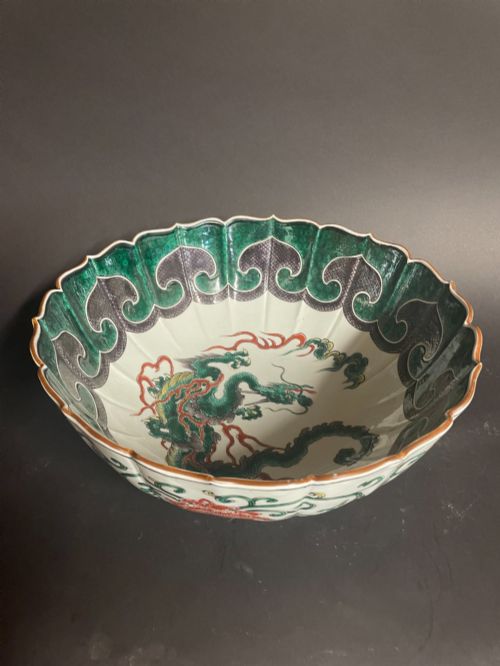
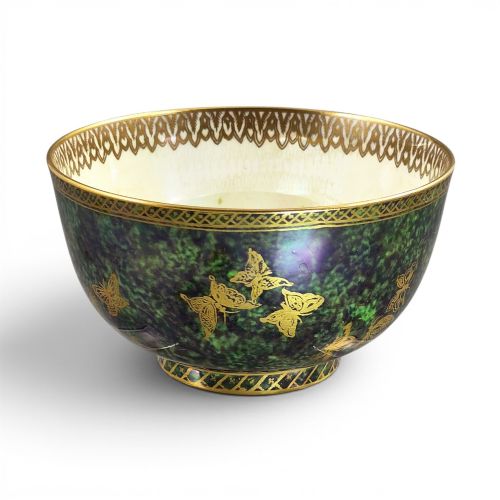
The selections on this page range from German figural arrangements featuring putti and applied roses to Japanese Imari scalloped bowls and Wedgwood lustre wares. Continental workshops and English potteries provide the bulk of the larger decorative bowls and comports seen here.
Materials and production methods
Potters shaped ceramic clay and porcelain bodies before applying intricate glazes, cobalt blue motifs, and hand-painted enamel designs. Many pieces incorporate gilding, gold leaf, and metal mounts to elevate the decorative impact of the ceramic form.
Figural groups and ornate centrepieces often combine moulded porcelain elements with delicate applied details such as flowers and musical putti. Kiln firing techniques allowed makers to achieve deep lustre finishes alongside traditional blue and white underglaze decoration.
Vintage Porcelain Centerpiece Retail Price Guide 2026
Typical asking prices for vintage porcelain centerpiece among the pieces listed under this phrase on Sellingantiques today, from the lower quarter to the upper quarter. They describe what is for sale here now, not the wider market.
Materials documented across these pieces include soft-paste porcelain, earthenware, ironstone, enamel, gold leaf, and ormolu mounts.
Distinctions in quality
Quality rests in the crispness of the hand-painted details, the complexity of applied sculptural elements like putti and foliage, and the richness of the gilding. Pieces bearing recognisable factory marks or attributed to notable designers demonstrate superior artistic execution in their painted scenes and glazes.
The weight of the porcelain body and the precision of pierced galleries or metal mounts further separate standard production items from ambitious sculptural works. Finer examples maintain crisp definition in their enamel colours and balanced proportions across large bowls or figural groupings.
Wedgwood·Royal Dux Bohemia·Royal Worcester·Royal Doulton·Meissen·Kinkozan Kyoto·Plaue Schierholz
The Vintage Porcelain Centerpiece Glossary
- Centrepiece
- A large decorative bowl, figural group, or jardinière placed in the middle of a dining table. These vessels often feature painted motifs, handles, or raised mounts.
- Putti
- Representations of small winged infants or cherubs frequently modeled in porcelain and applied to Continental centrepieces. They often appear holding instruments or gathering flowers.
- Lustre
- A type of ceramic glaze containing metallic oxides that produce an iridescent, rainbow-like sheen when fired. Wedgwood famously utilised this technique on decorative bowls.
- Imari
- A style of Japanese export porcelain decorated in underglaze blue, iron red, and gold. These pieces display intricate panel designs and floral patterns.
- Comport
- A raised dish or bowl used for serving fruit or sweets on a dining table. They typically sit upon a pedestal base or footed stand.
Vintage Porcelain Centerpiece: Frequently Asked Questions
What is a porcelain centrepiece used for?
These large vessels function primarily as decorative table ornaments for dining rooms and sideboards. Historically they held fruit, flowers, or sweetmeats during formal meals.
Today collectors display them as standalone sculptural objects or use them to hold floral arrangements on large tables.
How do I identify the period of a centrepiece?
Period identification relies upon stylistic markers such as Victorian relief work, Art Nouveau floral curves, or Art Deco geometric lines. Factory marks and backstamps stamped into the ceramic base also provide direct clues to the date of manufacture.
Examining the hand-painting style and the type of glaze helps distinguish 18th-century pieces from later 19th and early 20th-century reproductions or revivals.
How should I clean my porcelain centrepiece?
Dusting gently with a soft, dry brush prevents dirt accumulation on delicate applied flowers and intricate handles. Avoid submerging antique pieces with metallic leaf or fragile enamel work in water.
Spot cleaning with a damp cloth works best for glazed interior surfaces, taking care to avoid any unglazed porcelain or painted exterior details.
Are Japanese Imari bowls considered centrepieces?
Japanese Imari bowls serve a similar decorative function on tables and sideboards, though they lack the figural stands or pedestals of European centrepieces. Their deep scalloped edges and rich cobalt blue and iron red palettes made them popular display pieces in Western households.
Large examples function well as dramatic table focal points in the same manner as European porcelain bowls.