




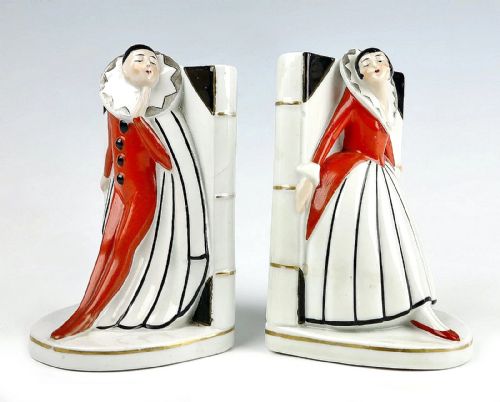
Vintage Porcelain Art
Vintage porcelain art encompasses glazed ceramic forms from the late nineteenth and early twentieth centuries, bringing decorative character to modern interiors.
Vintage Porcelain Art
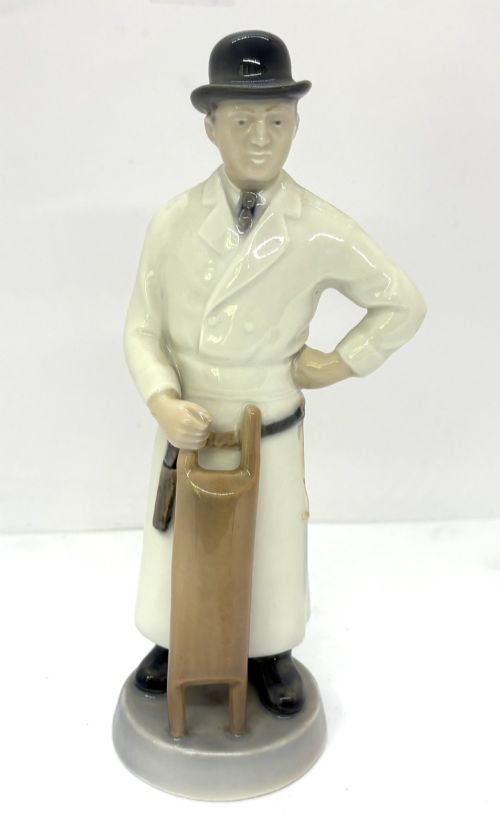
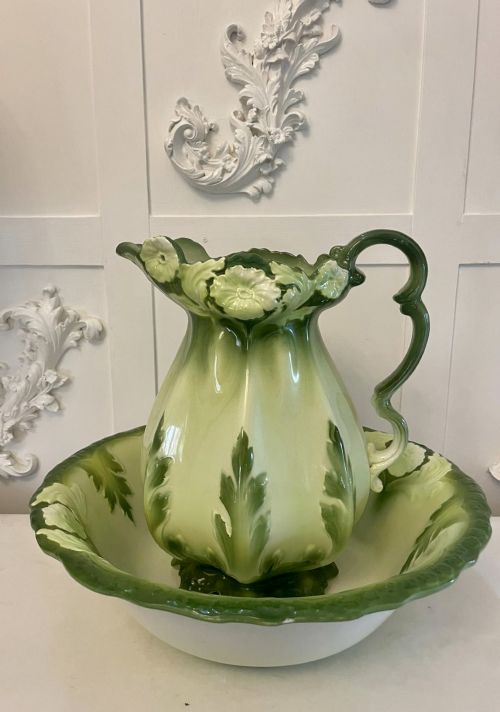
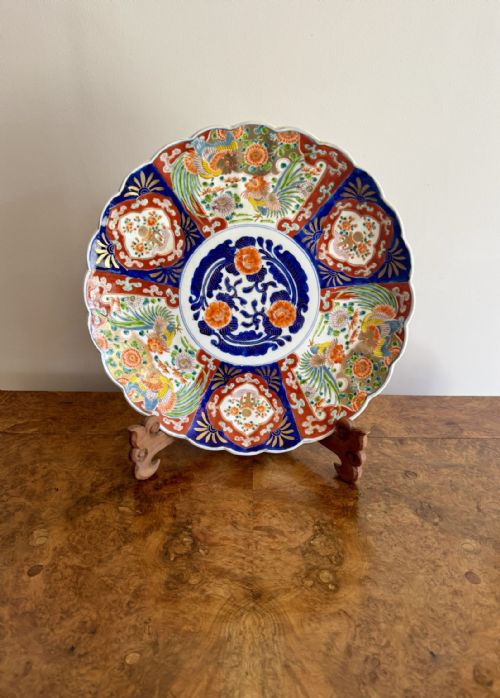
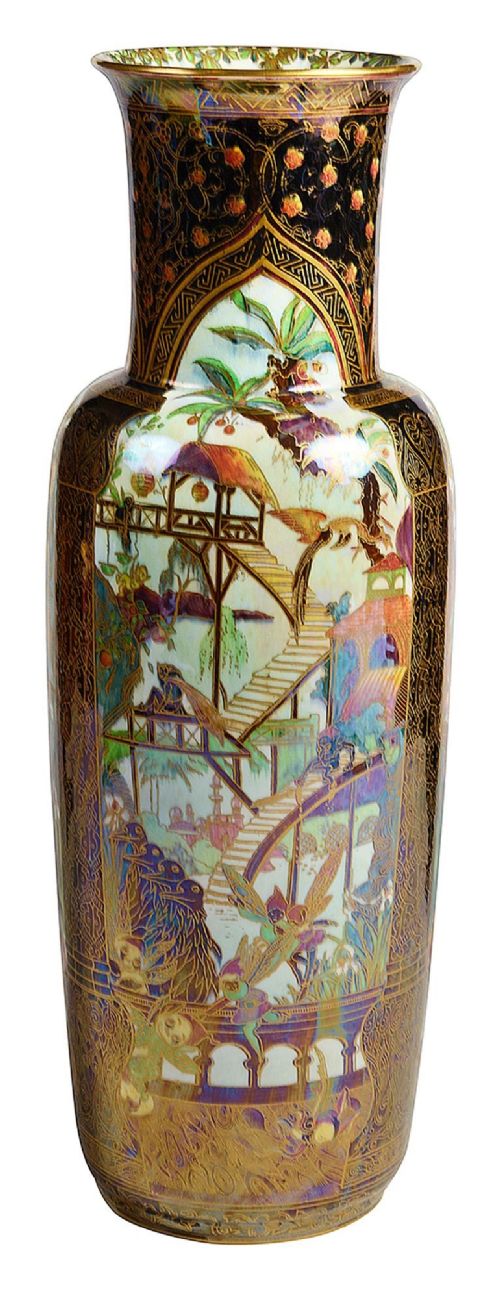
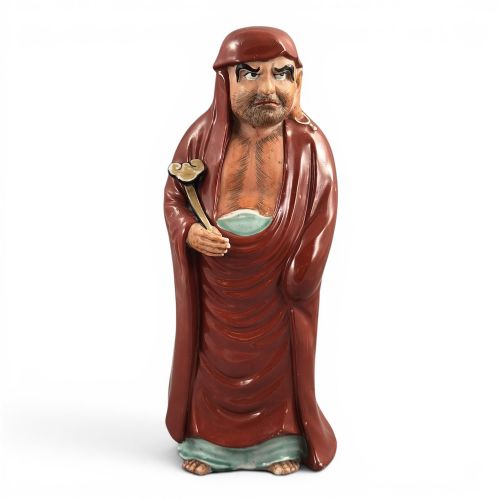
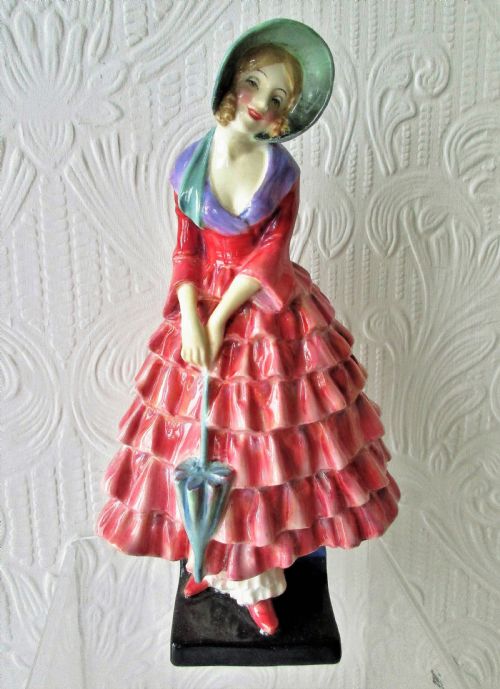
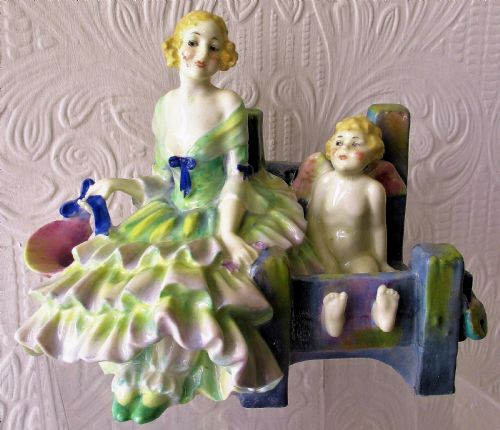
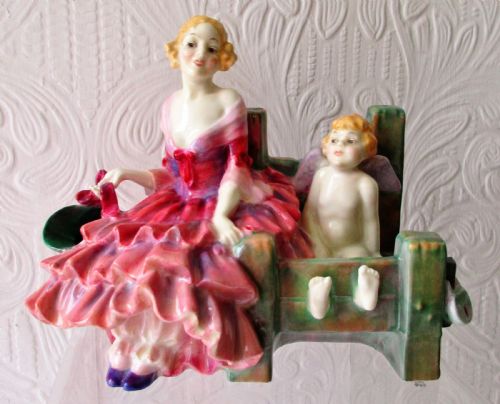
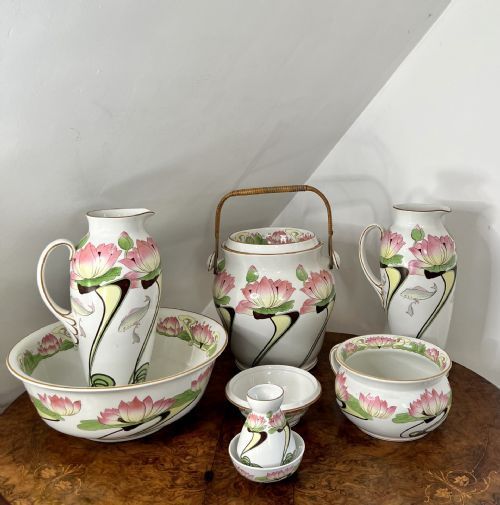
Vintage porcelain art covers a diverse array of decorative objects, ranging from English figurines and glazed vases to Japanese Imari plates and wall plaques. Pieces from the early twentieth century dominate this selection, reflecting periods such as Edwardian, Art Deco, and Art Nouveau.
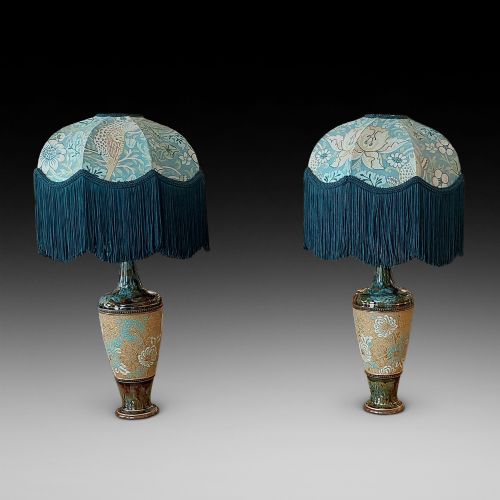
Buyers frequently encounter decorative bowls, table lamps, and sculpted figures among these listings. Works span both European factories and Japanese workshops, offering varied aesthetic traditions from the same eras.
Materials and techniques
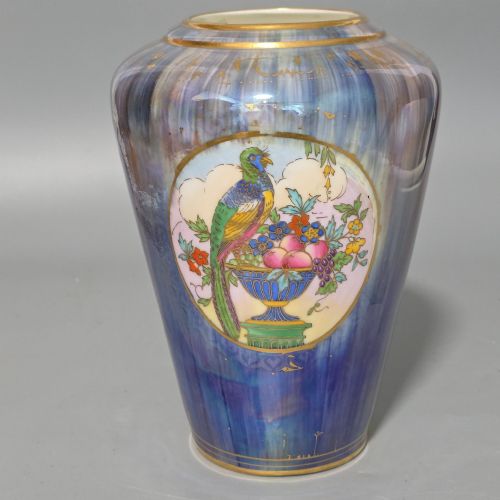
Items in this category utilise fine porcelain, bone china, and earthenware, often finished with lustre glaze and enamel decorations. Artisans applied gold leaf accents to enhance surface detail on plates, vases, and sculptural figures.
Firing techniques allowed for vibrant colours and metallic sheens, particularly seen in lustre wares and hand-enamelled pottery. Stoneware and heavy ceramic bodies also appear in functional lighting and large decorative vessels.
Vintage Porcelain Art Retail Price Guide 2026
Typical asking prices for vintage porcelain art among the pieces listed under this phrase on Sellingantiques today, from the lower quarter to the upper quarter. They describe what is for sale here now, not the wider market.
Listings feature porcelain from the Edwardian era through to the Art Deco period, utilising lustre glazes and gold leaf.
Distinctions in quality
Quality rests upon the crispness of the moulding and the precision of the hand-painted enamel work. Superior pieces display intricate detail in facial expressions, delicate brushwork, and well-preserved metallic gilding.
The reputation of the designer or studio influences the standing of a piece within its genre. Master modellers and notable ceramic artists produced works with superior glaze depths and balanced compositions.
Royal Doulton·Wedgwood·Royal Dux·Rosenthal·Karl Ens
The Vintage Porcelain Art Glossary
- Porcelain
- A white vitrified ceramic material of high density and translucency. It forms the base body for fine figures and decorative tableware.
- Lustre glaze
- A type of ceramic glaze that imparts a metallic or iridescence sheen upon firing. This finish appears notably on decorative vases and bowls.
- Imari
- A style of Japanese export porcelain characterised by underglaze blue and overglaze red, gold, and other colours. These items often depict traditional motifs and figures.
- Enamel
- Opaque glass applied to ceramic surfaces as decoration before firing. Artisans utilise this technique to achieve vibrant surface patterns.
- Bone china
- A type of porcelain containing bone ash, known for its high strength and milky white appearance. English potteries frequently employed this material for figurines.
Vintage Porcelain Art: Frequently Asked Questions
How do I clean vintage porcelain art?
Dust surfaces gently with a soft, dry cloth to prevent accumulation. Avoid abrasive cleaners or soaking pieces with metallic leaf or delicate enamel.
For glazed items with heavier grime, use lukewarm water and mild soap on a damp sponge. Dry thoroughly immediately afterward.
Are these lamps wired for modern use?
Many vintage lamps originate from the early twentieth century and may retain older wiring components. Buyers should have electrical items inspected by a qualified professional before plugging them in.
Rewiring ensures safety while preserving the original ceramic or stoneware base.
What is Japanese Imari porcelain?
Japanese Imari ware refers to decorative plates, bowls, and vases exported from the port of Imari since the Edo period. They are recognisable by their palette of cobalt blue, iron red, and gilt highlights.
These pieces combine complex floral and narrative scenes across the surface.