



Vintage Porcelain Animal Ornament
These vintage porcelain animal ornament examples bring distinct character to a room through varied forms.
Vintage Porcelain Animal Ornament
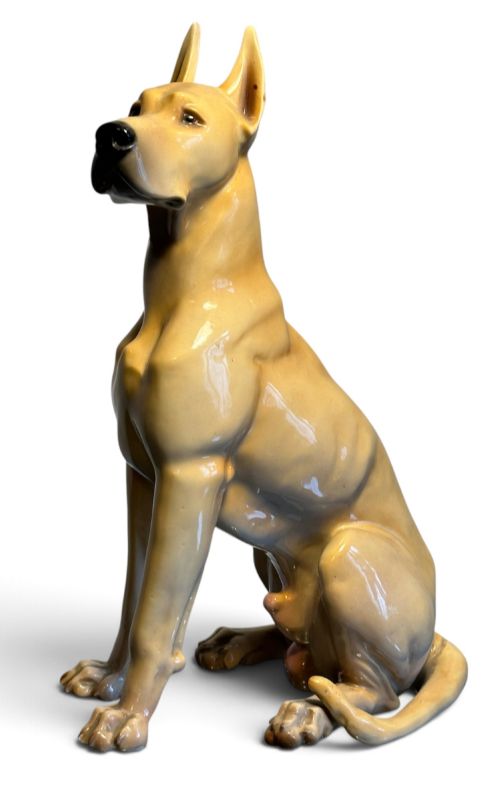
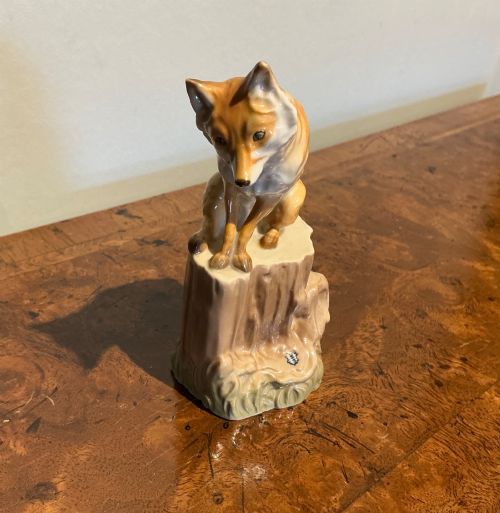
A vintage porcelain animal ornament represents a broad range of sculptural forms depicting dogs, foxes, stags, elephants, and pheasants rendered in ceramic materials. These pieces span multiple eras including the Georgian period, Victorian era, Edwardian period, and the twentieth century.
Makers and studios represented in the evidence include Meissen, Royal Dux, Nymphenburg, Derby, Rosenthal, Le Manceau, Hirado, and Carl Thieme Dresden. Buyers encounter both single animal figures and paired compositions with bocage backgrounds or specialised lamps.
How they were made
Manufacturers shaped these objects using porcelain, biscuit porcelain, and ceramic pastes, often applying a glossy glaze or detailed enamel painting to finish the surface. Some mounted pieces also incorporate glass and brass elements into their overall construction.
Vintage Porcelain Animal Ornament Retail Price Guide 2026
Typical asking prices for vintage porcelain animal ornament among the pieces listed under this phrase on Sellingantiques today, from the lower quarter to the upper quarter. They describe what is for sale here now, not the wider market.
A porcelain elephant of large size stands alongside tiny Hirado puppies.
What varies in quality
Quality in these sculptures rests upon the crispness of the modelled detail, particularly around facial expressions, paws, feathers, and naturalistic elements like bocage foliage. Finer works display superior brushwork in the enamel colours and careful control over the gloss or biscuit finish.
The reputation of the producing factory or studio heavily influences the standard of the piece, with renowned names achieving greater precision in proportion and firing. Earlier or original models typically exhibit sharper definition compared to later reproductions or secondary castings.
Nymphenburg·Meissen·Royal Dux·Derby·Rosenthal·Le Manceau·Carl Thieme Dresden
The Vintage Porcelain Animal Ornament Glossary
- Bocage
- A background of applied porcelain foliage, leaves, or branches often found behind figures. This decorative element creates a wooded effect popular in earlier European porcelain.
- Biscuit porcelain
- Unglazed ceramic ware fired once to a porous state. It presents a matte, marble-like texture ideal for showing fine anatomical detail.
- Enamel
- Coloured vitreous glass fused to the porcelain surface during a secondary firing. It provides the vibrant pigments seen on feathers and markings.
- Glaze
- A glassy coating applied to pottery and fired to seal the porous ceramic body. This layer gives the object its smooth, reflective finish.
- Recumbent
- An artistic term describing an animal sculpted in a lying or resting position. Such figures emphasise relaxed postures and careful limb placement.
Vintage Porcelain Animal Ornament: Frequently Asked Questions
What periods do these animal figures come from?
The pieces span a wide chronological range, covering Georgian works from the eighteenth century alongside Victorian, Edwardian, and twentieth-century examples up to the Art Deco era.
Specific dates depend on the individual workshop, with certain designs following traditional models established decades earlier.
How do I display porcelain animal ornaments safely?
Place them on stable surfaces away from high-traffic edges where they might suffer accidental knocks. Ensure they avoid direct, harsh sunlight to protect any delicate enamel colours over time.
Keep them clear of unstable shelving and support heavy lamp bases securely if used for lighting.
How are different manufacturing styles distinguished?
Makers employed distinct modelling traditions, such as the naturalistic foliage backgrounds on Derby figures or the sleek lines typical of Art Deco pheasant designs. Factory marks and stylistic nuances help identify the origin.
European and Japanese studios each utilised characteristic colour palettes and glaze thickness.