


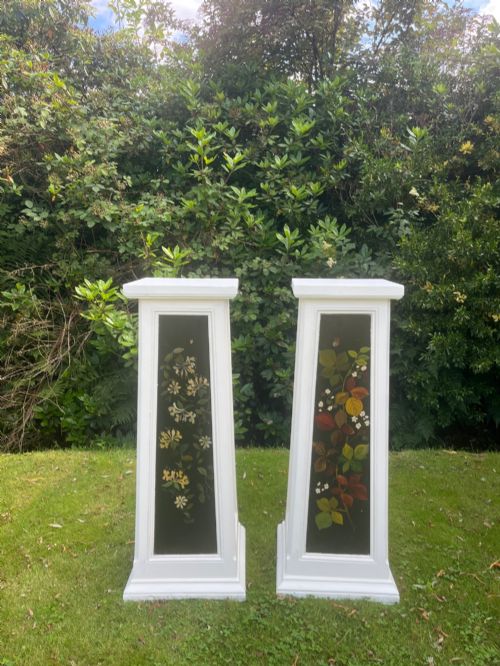
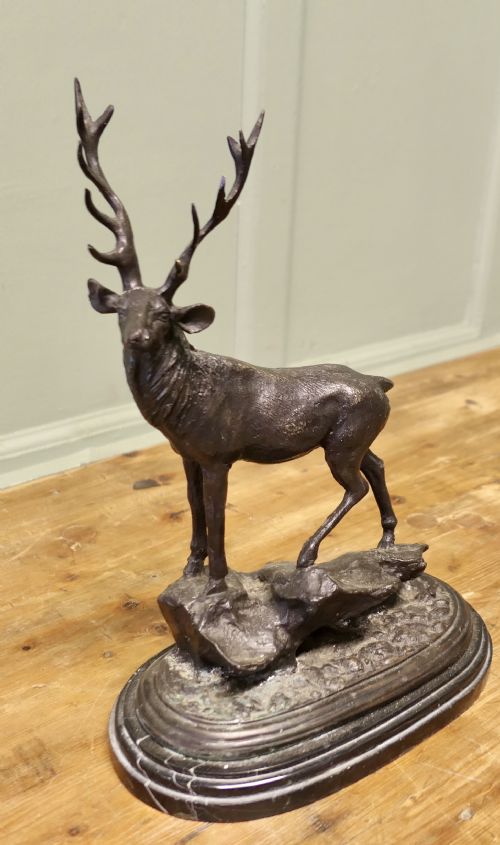
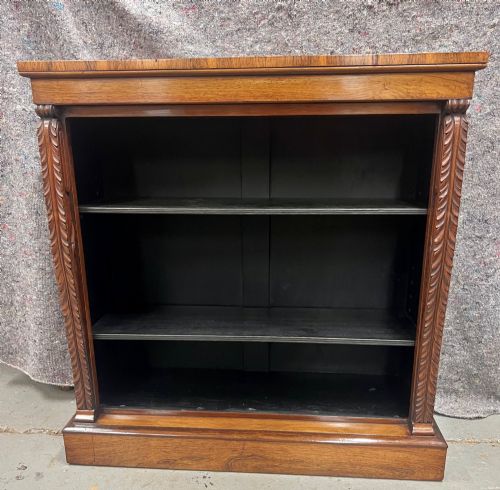




Vintage Plinth Stands
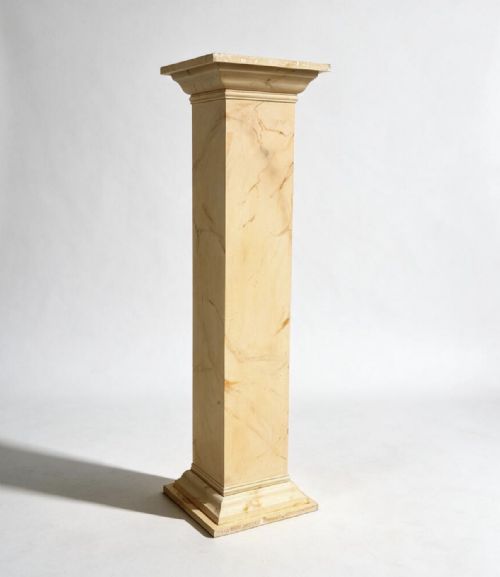
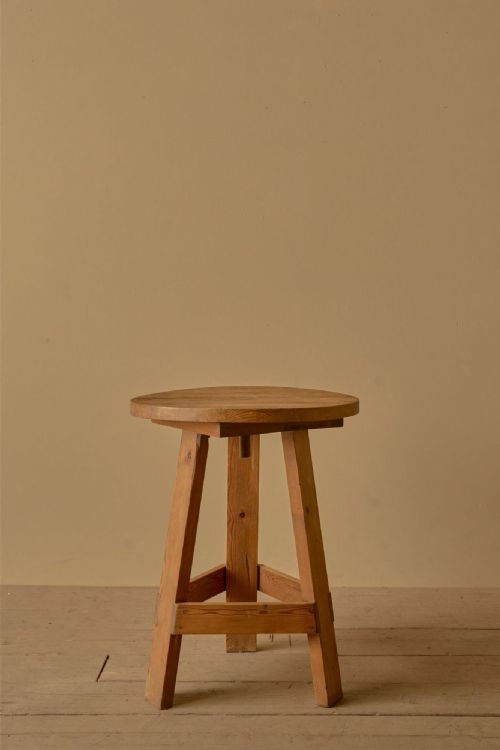
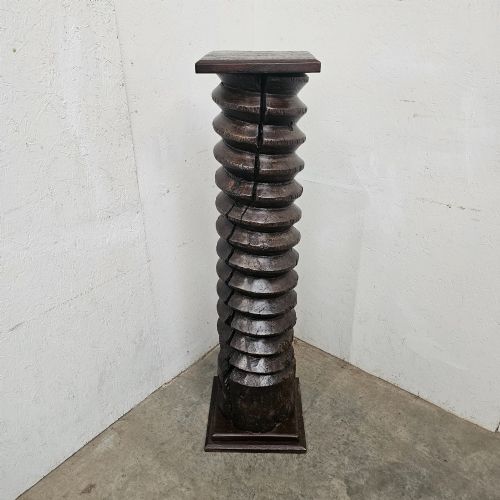
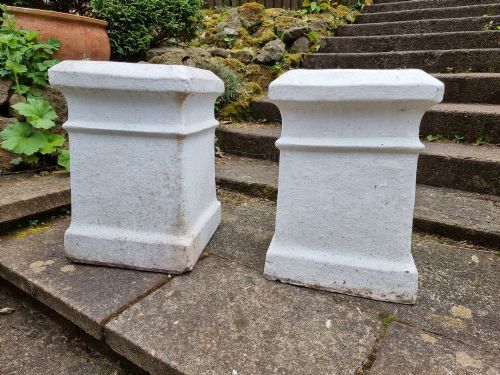
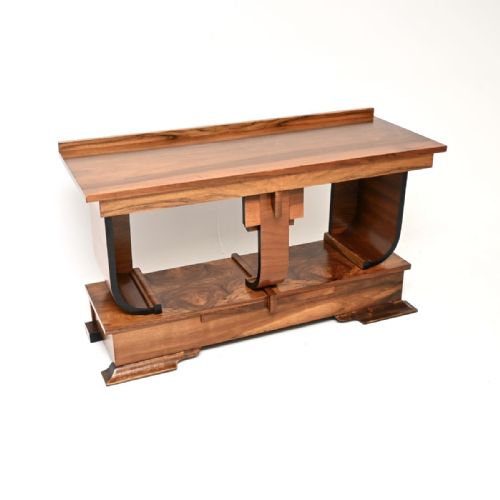
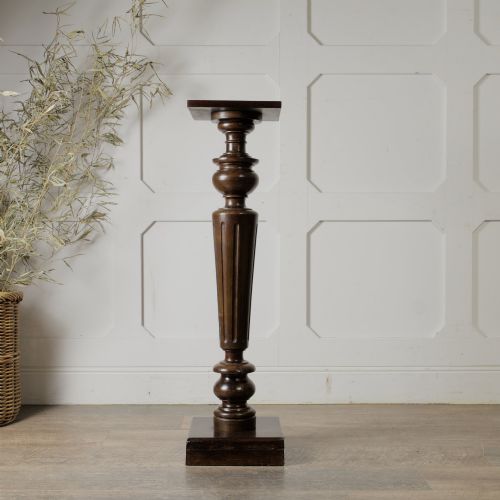
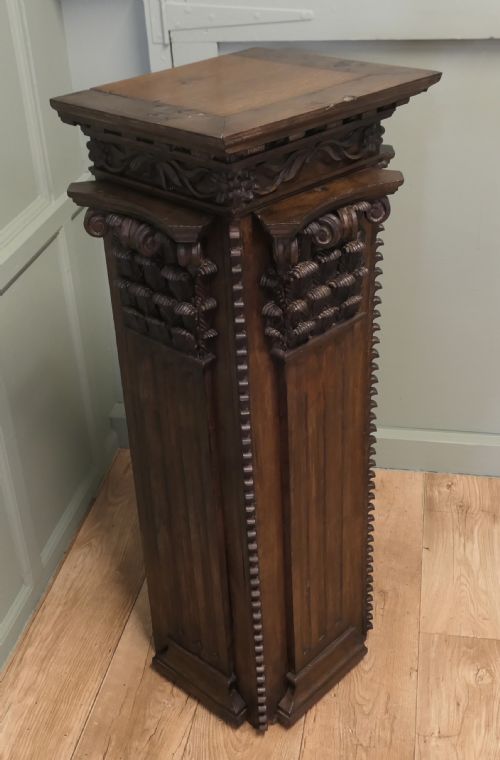
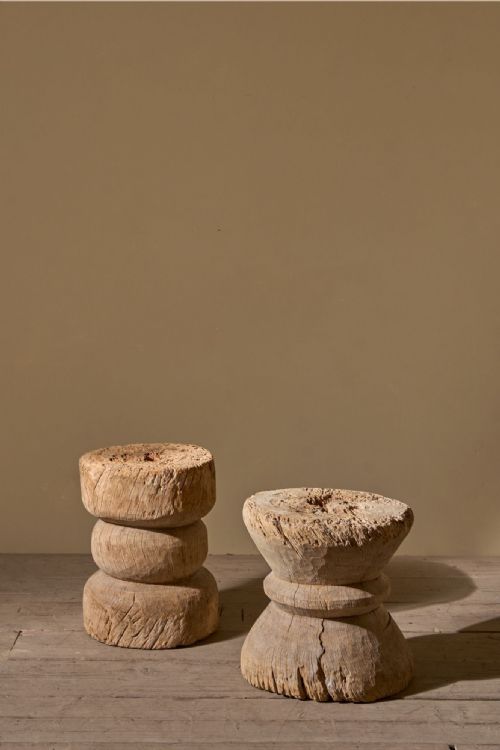
These vintage plinth stands elevate display objects with architectural presence, drawing the eye upward through classical form and solid timber.
Vintage Plinth Stands
Vintage plinth stands encompass architectural columns, display pedestals, and carved wooden supports designed to elevate sculptures, urns, and decorative objects. When exploring vintage plinth stands, buyers encounter items originating from the nineteenth century through the nineteen-thirties, reflecting Victorian, Edwardian, and Art Deco design sensibilities.
The material selection ranges from solid mahogany and oak to variegated marble, onyx, and painted plaster or cast stone. Column display pedestals and cylindrical sculpture stands dominate the selection, offering sturdy horizontal platforms for artistic focal points within a room.
Materials and Construction
Craftsmen utilised native and exotic timbers such as mahogany, walnut, and oak, often employing turning, carving, and inlay techniques to shape columns and square plinths. Structural integrity was achieved through solid wood construction or sturdy core materials finished with surface treatments.
Stone and mineral elements including marble, onyx, alabaster, and cast stone were turned or carved to create smooth cylindrical columns and heavy bases. Painted finishes, ebonisation, and faux marble treatments were frequently applied to wood, plaster, and iron to emulate costlier natural stone.
Vintage Plinth Stands Retail Price Guide 2026
Typical asking prices for vintage plinth stands among the pieces listed under this phrase on Sellingantiques today, from the lower quarter to the upper quarter. They describe what is for sale here now, not the wider market.
Listings feature marble, onyx, alabaster, and solid mahogany spanning from the nineteenth century through the nineteen-thirties.
Factors of Quality
Quality rests in the precision of the carving, the selection of figured timber or high-grade marble, and the overall structural stability under weight. Superior examples display crisp architectural details, balanced proportions, and seamless joinery that ensure safe elevation of heavy bronze sculptures or marble busts.
Material authenticity marks the upper tier, where genuine variegated marble or solid carved mahogany replaces painted plaster or softwood frames. The integration of decorative elements like hand-carved capitals or inlaid veneers further distinguishes finer studio output from utilitarian workshop pieces.
Waring and Sons·Mappin and Webb
The Vintage Plinth Stands Glossary
- Plinth
- A heavy rectangular or square base supporting a column, statue, or urn. It provides visual grounding and physical stability for elevated objects.
- Pedestal
- An upright architectural support or stand used to raise a sculpture, vase, or bust to eye level. Pedestals often feature classical column shafts with distinct capitals and bases.
- Capital
- The uppermost member of a column or pillar, providing structural support for the horizontal element above. Capitals frequently exhibit carved acanthus leaves or classical moulding.
- Campana Urn
- A bell-shaped garden or decorative urn, frequently cast in iron or stone and mounted upon a square plinth. This classical form originates from ancient Roman metal and ceramic vessels.
- Ebonisation
- A chemical or paint finishing process applied to timber to imitate costly ebony wood. This dark, uniform surface was popular for creating dramatic contrast in nineteenth-century display furniture.
Vintage Plinth Stands: Frequently Asked Questions
How do I choose the right height?
Consider the height of the object you intend to display and the eye level of the room. Taller columns suit larger sculptural pieces, whereas compact stands work well for tabletop items.
Ensure the top platform matches or slightly exceeds the base dimensions of your display piece for safe balance.
Are marble columns too heavy?
Solid marble, onyx, and alabaster columns possess substantial weight to securely anchor heavy statues and urns. This mass prevents tipping but requires careful planning during placement.
Faux marble or wood alternatives offer lighter weight while maintaining the desired classical visual aesthetic.
Can these stands support heavy art?
Solid timber, cast iron, and stone stands provide robust support for heavy bronze sculptures and large urns. Construction method and base width dictate overall weight capacity.
Inspect the core material and joint stability before placing exceptionally heavy items on display.
How do I date a wooden plinth?
Examine the timber species, tool marks, and construction techniques visible on the underside or interior joints. Victorian and Edwardian examples often feature hand-turned pillars and traditional joinery.
Stylistic cues such as Neoclassical reeding or Art Deco geometric lines help narrow the manufacturing period.